Rotterdam: The cheap package from a distant web shop just grew more expensive. Since 1 July the European Union has charged a flat customs duty of 3 euro on small parcels worth less than 150 euro, ending the long-standing exemption that let low-value shipments cross the border duty-free.
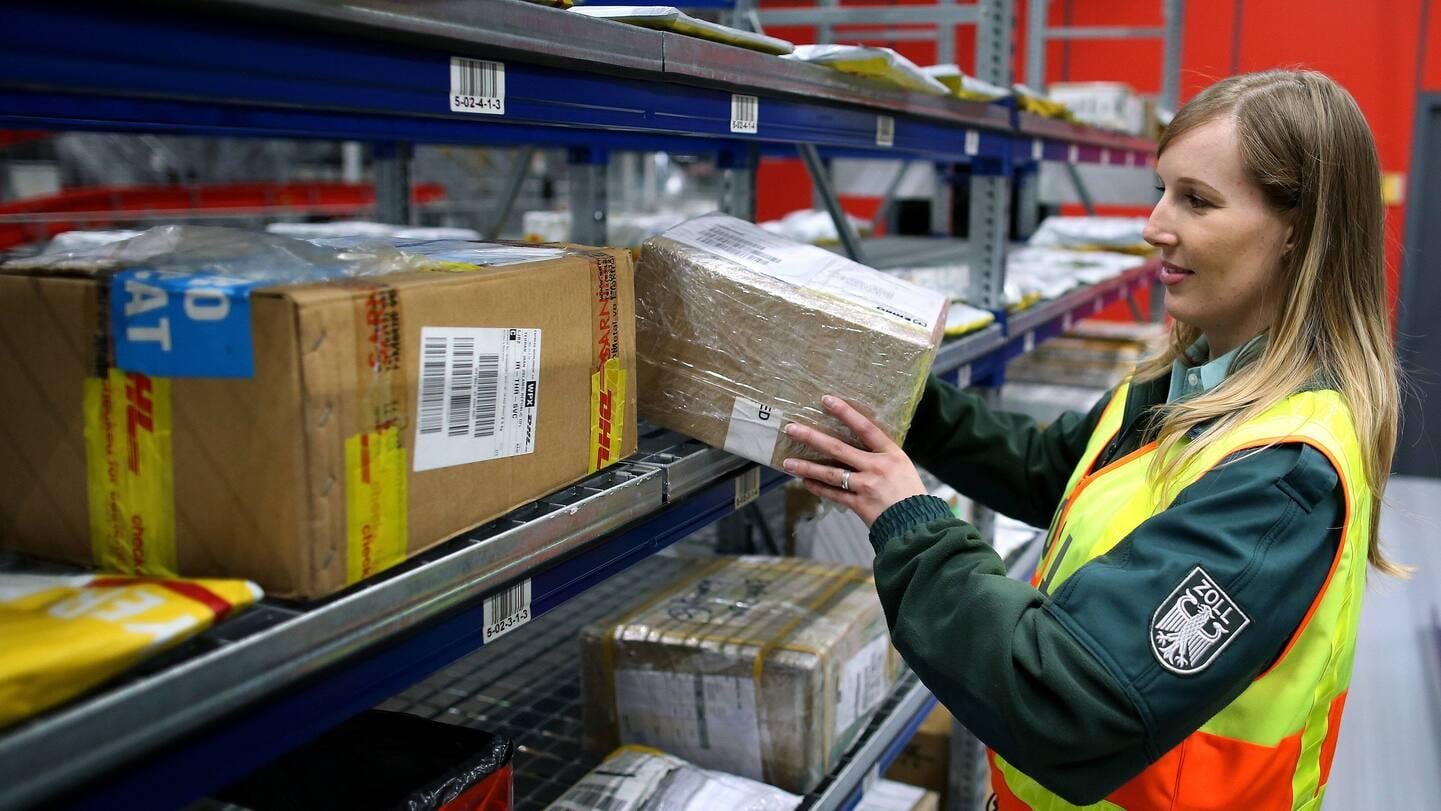
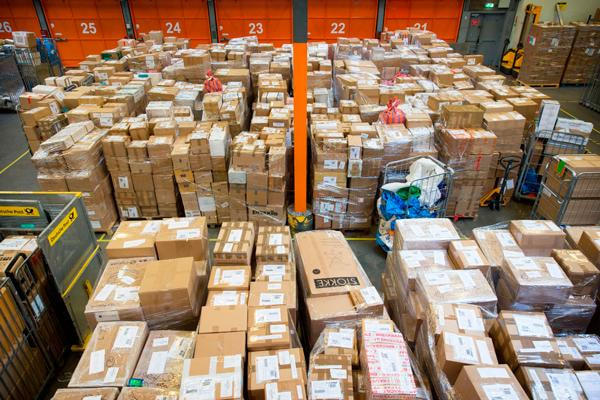
The change targets the flood of e-commerce packages arriving mostly from Asia. Customs officials in ports such as Rotterdam and Antwerp have struggled for years to screen billions of tiny consignments, many under-declared to slip beneath the old threshold. The temporary levy, which runs until 1 July 2028, aims to claw back revenue and blunt the incentive to game the system.
Brussels frames the fee as a bridge to a deeper overhaul. In March the Parliament and the Council agreed the most sweeping reform of the customs union since 1968, and the flat charge buys time until the machinery of that reform comes online. The Commission set out the plan on its customs reform pages.
A single EU customs data hub sits at the centre of the new design. Traders will eventually file customs and product information through one online platform rather than 27 national systems. That hub opens for e-commerce goods on 1 July 2028, with a phased rollout pulling all movement of goods into its scope by 2034.
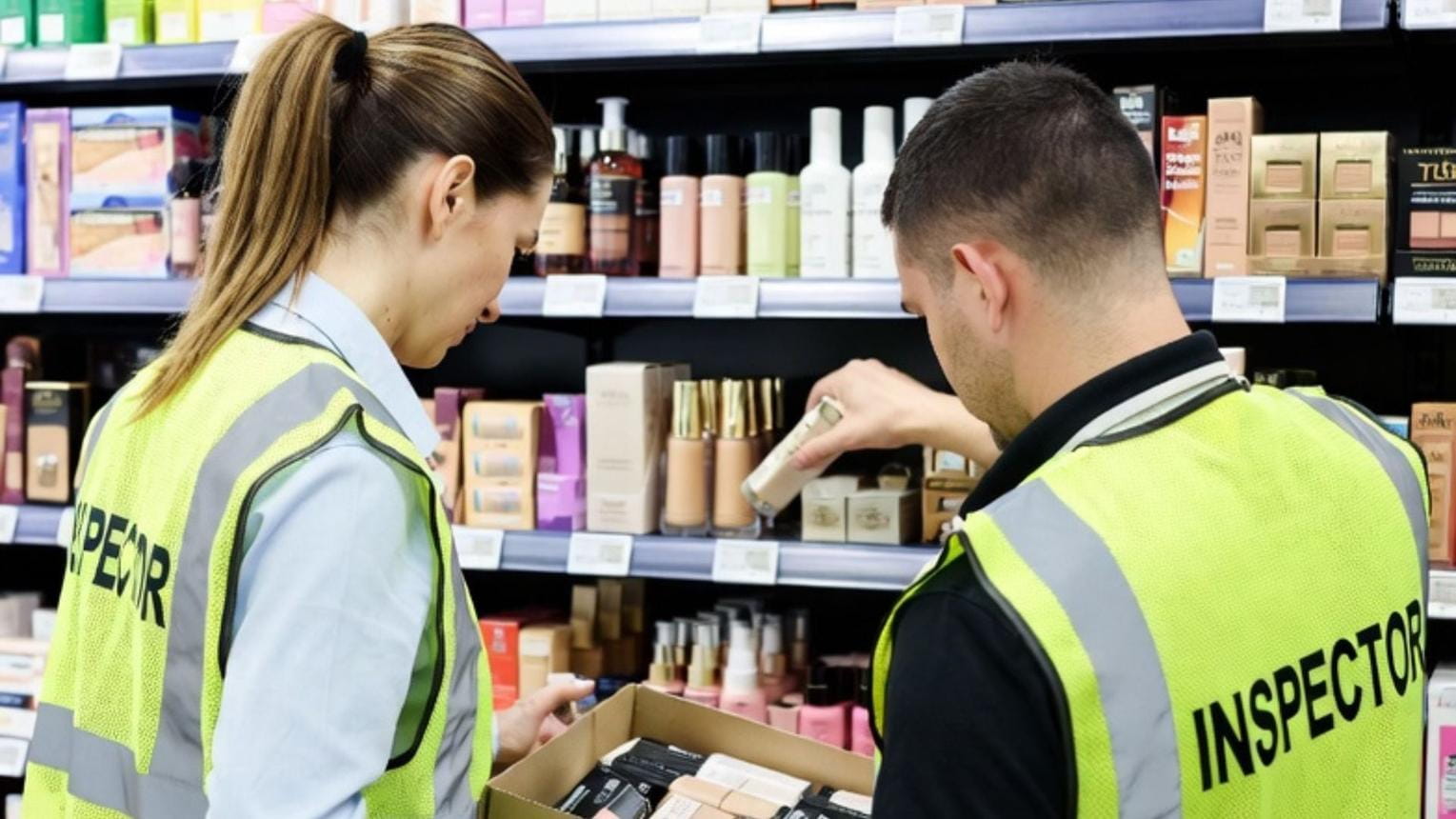
Safety runs alongside revenue. From 1 November product identifiers become mandatory, letting customs authorities trace goods and block unsafe or non-compliant items before they reach doorsteps. Importers can already attach the identifiers voluntarily, and logistics firms have started adapting their labels ahead of the deadline. Customs agencies expect the traceability data to help them target the riskiest shipments rather than open every box, sparing legitimate traders needless delay at the quayside.
Retailers and shippers have grumbled about the extra cost and paperwork. Small importers warn that 3 euro on a 10 euro order changes the economics of bargain shopping, while large marketplaces have begun passing the charge to buyers at checkout. Consumer groups counter that the exemption always favoured foreign sellers over European shops paying full duty at home.
For a warehouse worker in Rotterdam sorting the daily mountain of packages, the new customs duty will not slow the flow overnight. Yet it marks a turning point. Europe has decided that the age of the untaxed, unscreened parcel is ending, and the coming data hub will decide how smoothly that promise turns into practice.