Nicosia: The European Commission has proposed a second Solidarity Pool for 2027 after finding that Greece, Spain, Cyprus and Italy face migratory pressure, opening the way for other member states to share responsibility for asylum seekers who reach their shores. The proposal forms part of the second Annual Migration Management Cycle, which the Commission launched on 6 November 2026 under the Pact on Migration and Asylum.
The cycle starts with the second European Annual Asylum and Migration Report. It combines data from member states, Eurostat, EU agencies and the European External Action Service, and it includes the fourth assessment of how governments apply the Pact. On that basis, the Commission decides which countries face pressure and how much help they need.
Four countries qualify this year. Greece, Spain and Cyprus recorded disproportionate arrivals over the past year, while Italy qualified because of arrivals that followed search-and-rescue operations at sea. These states may now draw on the Solidarity Pool, subject to the Pact rules on responsibility.
The Commission placed 15 more countries in a second category, at risk of migratory pressure. They are Belgium, Czechia, Germany, Estonia, Ireland, France, Croatia, Latvia, Lithuania, Luxembourg, the Netherlands, Poland, Romania, Slovenia and Finland. The reasons range from high illegal arrivals and secondary movements to large numbers of temporary protection holders and the risk that hostile states instrumentalise migrants. These countries gain priority access to the Permanent EU Migration Support Toolbox rather than to the Solidarity Pool.
A third group can seek relief from its own obligations. Bulgaria, Czechia, Estonia, Croatia, Austria and Poland face what the Commission calls a significant migratory situation because of cumulative pressure over five years. They may ask for a full or partial deduction from their contributions to the 2027 Solidarity Pool.
The size of the pool remains confidential for now. Under the Pact, the Commission keeps its proposal private, and the Council decides the total and the share of each country. Governments can contribute through relocation of asylum applicants, responsibility offsets, financial support, alternative measures or a mix of these. Once the Council adopts its decision, the contributions become public and legally binding.
The wider numbers help explain the political mood. Illegal border crossings fell by more than a third in the first half of 2026, after drops of more than 50% in each of the two previous years. Asylum applications and secondary movements also decreased significantly, and returns continue to rise.
The Commission says the Pact now fully applies. Eurodac runs in every member state, and most governments screen all irregular migrants and operate the border procedure. Work on the first Solidarity Pool is progressing, according to the Commission, but the report still flags weaknesses in the responsibility rules and in transfers of asylum applicants back to the state responsible for them. The Commission will raise those gaps with the High-Level Solidarity Forum and, if they persist, with the Council.
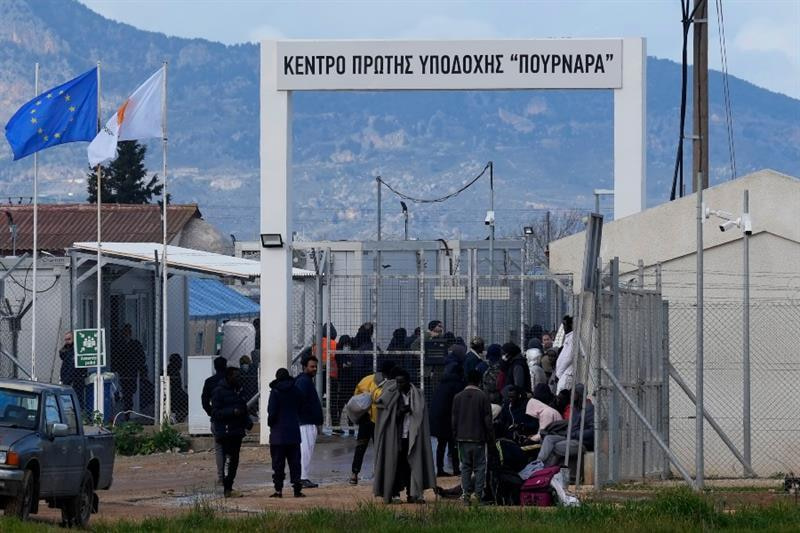
For Cyprus, which sits on the eastern Mediterranean route, the decision confirms access to European help for a second year running. The test now moves to the Council, where ministers must agree how large the 2027 Solidarity Pool will be and whether every capital delivers its share.