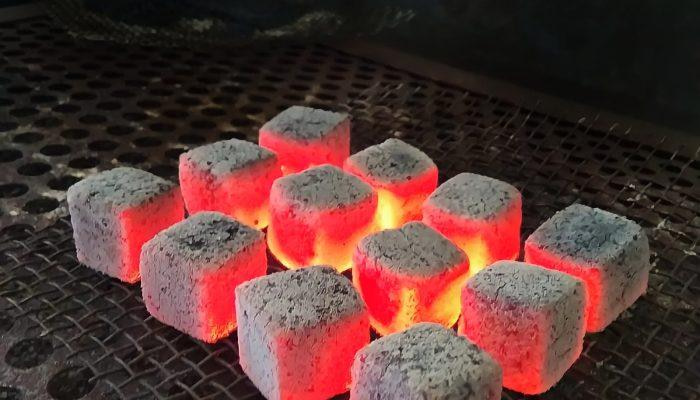
Trento: The charcoal that glows under a summer barbecue is supposed to be one of the more innocent products on the shelf. Investigators across half a dozen countries now allege that some of it began life as highly toxic industrial ash, laundered through a chain of plants and paperwork until it could pass for an environmentally friendly fuel. The scheme, exposed in an operation code-named Coal of the Alps, has become one of the more striking recent reminders that fraud against environmental rules and fraud against the public purse are often the same crime wearing different clothes.
According to the European Anti-Fraud Office, which supported the case, the network transformed ash containing dangerous substances into briquettes marketed for barbecues, fertilisers and concrete additives. Plants in Croatia and Serbia turned the residue into briquettes, while sites in Germany and Austria channelled it toward agricultural uses. The criminal group operated across Italy, Austria, Germany, Croatia, Serbia and Switzerland, a geography that tells its own story about how easily hazardous material can be moved once it is relabelled as a commodity.
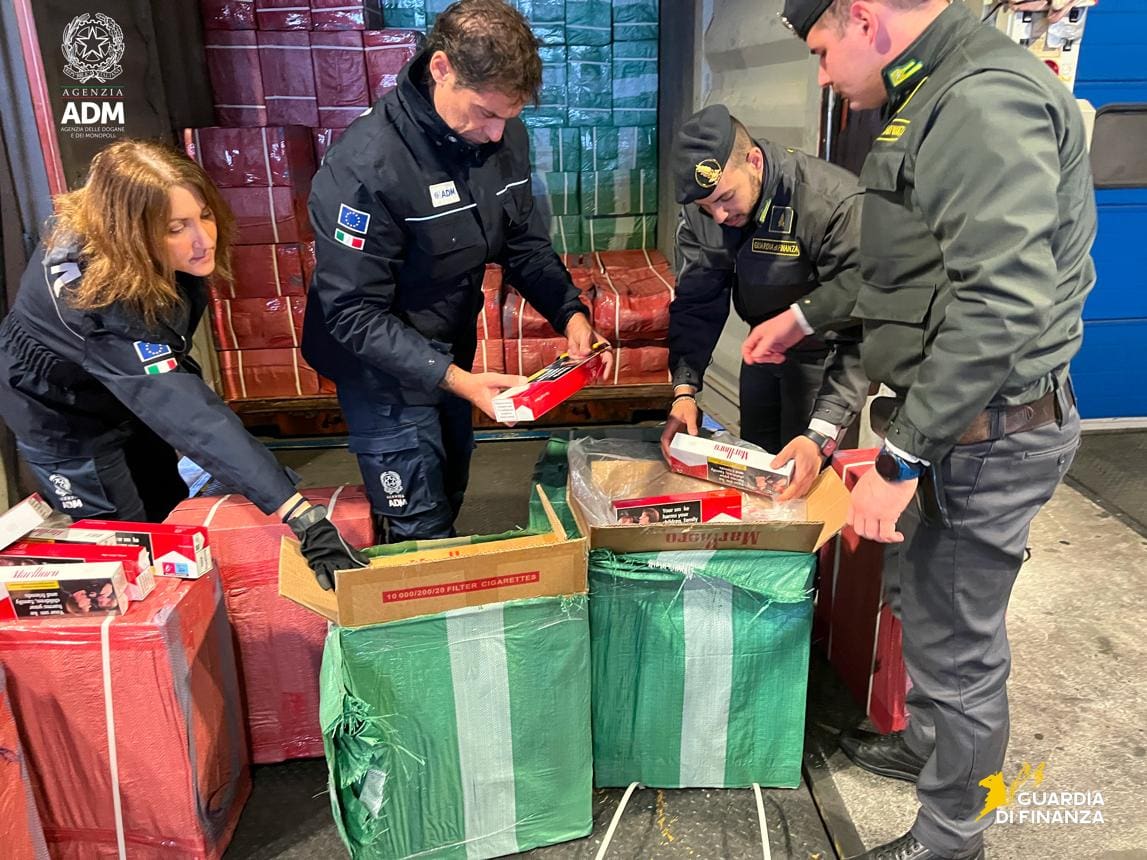
Italian authorities, working with counterparts in Austria, Croatia and Germany, detained twelve suspects and seized one of the production plants. Nineteen individuals and three companies are now under investigation on suspicion of trans-national waste trafficking and fraud. The operation was led by the Public Prosecutor’s Office of Trento and coordinated by the district anti-mafia and anti-terrorism directorate, working closely with the Carabinieri environmental protection unit, alongside Europol and Eurojust. The anti-fraud office says its own contribution was analytical: mapping the cross-border flows of pyro-gasification ashes and the derived products so that prosecutors could see the full shape of the trade rather than its national fragments.
That mapping function is where the office tends to add the most value, and the timing underlines why it matters. Earlier this spring the agency published its annual report for 2025, recommending the recovery of close to 600 million euros of misused or defrauded funds and reporting that its investigations had prevented a further 18 million from being spent improperly. Over the year it closed 209 investigations and opened 254 new ones. Across the past decade, its work has fed recommendations to claw back some 6.8 billion euros to the EU budget.
What the charcoal case illustrates is that the money side and the environmental side are rarely separable. A network willing to disguise toxic ash to dodge waste law is, by the same logic, willing to misstate what it ships, what it sells and what it owes. Customs duties, value-added tax and any subsidy touched along the way all sit exposed once the underlying product is a lie. The same falsified documents that let dangerous residue cross a border as harmless charcoal are the documents that defraud the treasuries waiting at each end.
For the office, the practical lesson is the one it has been pressing for years: cross-border crime needs cross-border eyes. No single national prosecutor saw the whole route, because no single national prosecutor was looking at all of it. The investigation now moves to the courts in Italy, where the companies and individuals named will have their chance to answer. The ash, in the meantime, will be treated as what it always was.