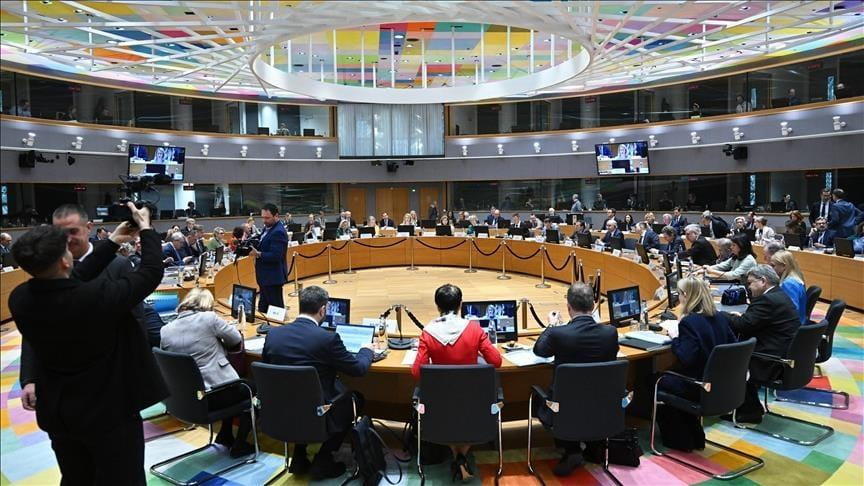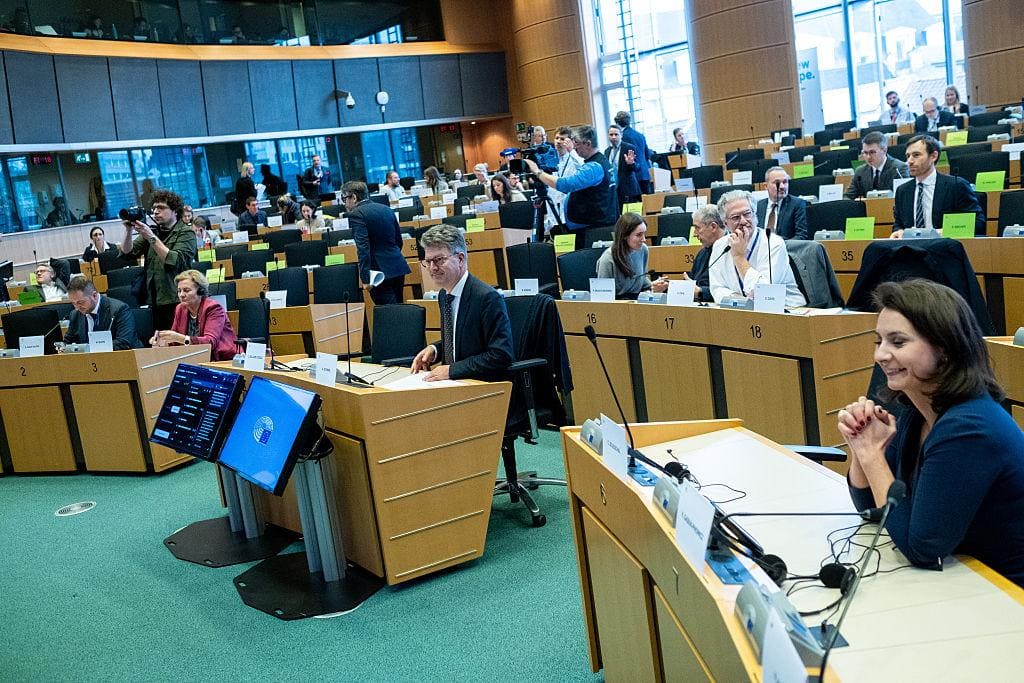
Linz: Members of the European Parliament’s Committee on Employment and Social Affairs have thrown their weight behind a new EU vocational education strategy, voting 38 in favour, 1 against and 4 abstentions on 1 October 2026. The vote sets out the committee’s contribution to the strategy the European Commission is expected to present on 4 November.
The result shows broad cross-party agreement on the vocational education strategy. A single vote against and four abstentions leave little room for the Commission to claim that Parliament is divided on the basics. Agence Europe reported the outcome on 2 October.
MEPs begin with an image problem. They want the vocational education strategy to confront the persistent negative perceptions of vocational education and training, which many families still treat as a second choice behind university. The committee asks the Commission to stop describing education as higher or lower and to use terms based on the levels of the European Qualifications Framework instead.
That change of language is more than cosmetic. Labels such as lower education shape how parents, employers and ministries rank a qualification, and they influence where public money goes. Describing a programme by its qualification level puts a technician’s diploma and a university degree on a common scale.
The committee also wants vocational graduates to take part at every stage of policymaking. These graduates are often underrepresented in decision-making, even though employers rely on them in construction, manufacturing, health care and the digital trades. MEPs argue that a strategy designed without them will miss problems that only apprentices and trainees see.
Funding forms the third pillar of the vocational education strategy position. The committee asks for financing instruments for vocational education that resemble those available for general education. Today, many apprenticeship and training providers struggle to access EU programmes built mainly around universities and schools, so a comparable funding line would change what the strategy can deliver.
The same reporting also describes a separate vote on employment guidelines, which passed by 34 votes to 4 with 5 abstentions. That text asks member states to develop a coordinated strategy for employment that promotes quality jobs, better working conditions and inclusive labour markets. MEPs rejected an amendment from rapporteur Li Andersson of The Left that would have attached a binding social clause to public procurement, concessions, state aid and EU funding.
For the Commission, the committee’s message arrives at a useful moment. Officials still have more than a month to refine the vocational education strategy before 4 November, and the Parliament vote gives them a clear signal about priorities on prestige, participation and money.
Training providers, employers and student groups will now wait to see which of these demands reach the final text. If the Commission adopts the language reform and the funding parity request, the vocational education strategy could change how Europeans think about learning a trade as much as how Brussels pays for it.