August 10, 2026
LATEST
One Year On, the EU-Japan Alliance Faces Its First TestEurope’s Chip Ambitions Still Run Through Taiwan’s FabsWhy South Korea Bet Its Research Future on Europe’s ProgrammeEurope and Japan Deepen Their Economic Alliance as Rivals CircleFive Joint Defence Projects Launch Europe’s Military ShieldElectrification Plan Aims to Make Europe First Electro ContinentHorizon Europe Budget Fight Heats Up as Ministers Push BackGoogle’s DMA Fine Sets Off a Transatlantic Tariff ClashTwenty New University Alliances Join Erasmus for Two YearsForeign Subsidies Case Puts Temu in the EU’s SightsVan Tachographs Now Mandatory for Cross-Border FleetsStress Test Exposes Gaps in Euro Area Bank DefencesEurope Bets on a Gulf Partnership Before the Riyadh SummitWhy the Atlantic Route Now Runs Through MauritaniaKyiv and Chisinau Advance as the EU Accession Talks Gather PaceEurope’s New Digital Border System Beds In After a Rocky RolloutBrussels Mounts Its Largest Wildfire Response as the Fires SpreadRetail Spending Slipped in June, Wrong-Footing EconomistsHeatwave Warning Puts Brussels on Alert for Vulnerable GroupsKANAL’s 230 Million Euro Museum Sets a November Opening DateOne Year On, the EU-Japan Alliance Faces Its First TestEurope’s Chip Ambitions Still Run Through Taiwan’s FabsWhy South Korea Bet Its Research Future on Europe’s ProgrammeEurope and Japan Deepen Their Economic Alliance as Rivals CircleFive Joint Defence Projects Launch Europe’s Military ShieldElectrification Plan Aims to Make Europe First Electro ContinentHorizon Europe Budget Fight Heats Up as Ministers Push BackGoogle’s DMA Fine Sets Off a Transatlantic Tariff ClashTwenty New University Alliances Join Erasmus for Two YearsForeign Subsidies Case Puts Temu in the EU’s SightsVan Tachographs Now Mandatory for Cross-Border FleetsStress Test Exposes Gaps in Euro Area Bank DefencesEurope Bets on a Gulf Partnership Before the Riyadh SummitWhy the Atlantic Route Now Runs Through MauritaniaKyiv and Chisinau Advance as the EU Accession Talks Gather PaceEurope’s New Digital Border System Beds In After a Rocky RolloutBrussels Mounts Its Largest Wildfire Response as the Fires SpreadRetail Spending Slipped in June, Wrong-Footing EconomistsHeatwave Warning Puts Brussels on Alert for Vulnerable GroupsKANAL’s 230 Million Euro Museum Sets a November Opening Date
August 10, 2026
LATEST
One Year On, the EU-Japan Alliance Faces Its First TestEurope’s Chip Ambitions Still Run Through Taiwan’s FabsWhy South Korea Bet Its Research Future on Europe’s ProgrammeEurope and Japan Deepen Their Economic Alliance as Rivals CircleFive Joint Defence Projects Launch Europe’s Military ShieldElectrification Plan Aims to Make Europe First Electro ContinentHorizon Europe Budget Fight Heats Up as Ministers Push BackGoogle’s DMA Fine Sets Off a Transatlantic Tariff ClashTwenty New University Alliances Join Erasmus for Two YearsForeign Subsidies Case Puts Temu in the EU’s SightsVan Tachographs Now Mandatory for Cross-Border FleetsStress Test Exposes Gaps in Euro Area Bank DefencesEurope Bets on a Gulf Partnership Before the Riyadh SummitWhy the Atlantic Route Now Runs Through MauritaniaKyiv and Chisinau Advance as the EU Accession Talks Gather PaceEurope’s New Digital Border System Beds In After a Rocky RolloutBrussels Mounts Its Largest Wildfire Response as the Fires SpreadRetail Spending Slipped in June, Wrong-Footing EconomistsHeatwave Warning Puts Brussels on Alert for Vulnerable GroupsKANAL’s 230 Million Euro Museum Sets a November Opening DateOne Year On, the EU-Japan Alliance Faces Its First TestEurope’s Chip Ambitions Still Run Through Taiwan’s FabsWhy South Korea Bet Its Research Future on Europe’s ProgrammeEurope and Japan Deepen Their Economic Alliance as Rivals CircleFive Joint Defence Projects Launch Europe’s Military ShieldElectrification Plan Aims to Make Europe First Electro ContinentHorizon Europe Budget Fight Heats Up as Ministers Push BackGoogle’s DMA Fine Sets Off a Transatlantic Tariff ClashTwenty New University Alliances Join Erasmus for Two YearsForeign Subsidies Case Puts Temu in the EU’s SightsVan Tachographs Now Mandatory for Cross-Border FleetsStress Test Exposes Gaps in Euro Area Bank DefencesEurope Bets on a Gulf Partnership Before the Riyadh SummitWhy the Atlantic Route Now Runs Through MauritaniaKyiv and Chisinau Advance as the EU Accession Talks Gather PaceEurope’s New Digital Border System Beds In After a Rocky RolloutBrussels Mounts Its Largest Wildfire Response as the Fires SpreadRetail Spending Slipped in June, Wrong-Footing EconomistsHeatwave Warning Puts Brussels on Alert for Vulnerable GroupsKANAL’s 230 Million Euro Museum Sets a November Opening Date

Indonesia and Europe Seal a Trade Deal Two Decades in Making

Jakarta: After nineteen years and countless negotiating rounds, the European Union and Indonesia have closed the book on one of Asia’s longest-running trade talks. Negotiators concluded the Comprehensive Economic Partnership Agreement in September 2025, and in June 2026 the European Commission formally handed the text to the Council for signature. The Indonesia trade pact now moves toward ratification, which both sides target for the second half of this year.

The numbers explain why Brussels pushed so hard. The EU will scrap tariffs on more than 98 percent of Indonesian goods the moment the deal takes effect. Indonesia will open roughly 80 percent of its own tariff lines immediately and phase out most of the rest over the following years. For an archipelago of 280 million people, that reach into Europe’s single market marks a decisive shift.

Indonesia gains most visibly in agriculture and light manufacturing. Palm oil, textiles, footwear and processed foods will enter Europe duty-free, sectors that employ millions across Java and Sumatra. European exporters, in turn, win lower barriers for cars, machinery, chemicals and dairy, alongside firmer protection for the geographical names that guard products like Parma ham and Champagne.

The agreement also settles a long-running quarrel over raw materials. Jakarta has spent years banning exports of unprocessed nickel to force investment into domestic smelting, a policy that irritated Brussels and triggered a World Trade Organization dispute. The new text writes rules on export restrictions for critical minerals while leaving Indonesia room to build its battery industry, a compromise that lets both sides claim victory.

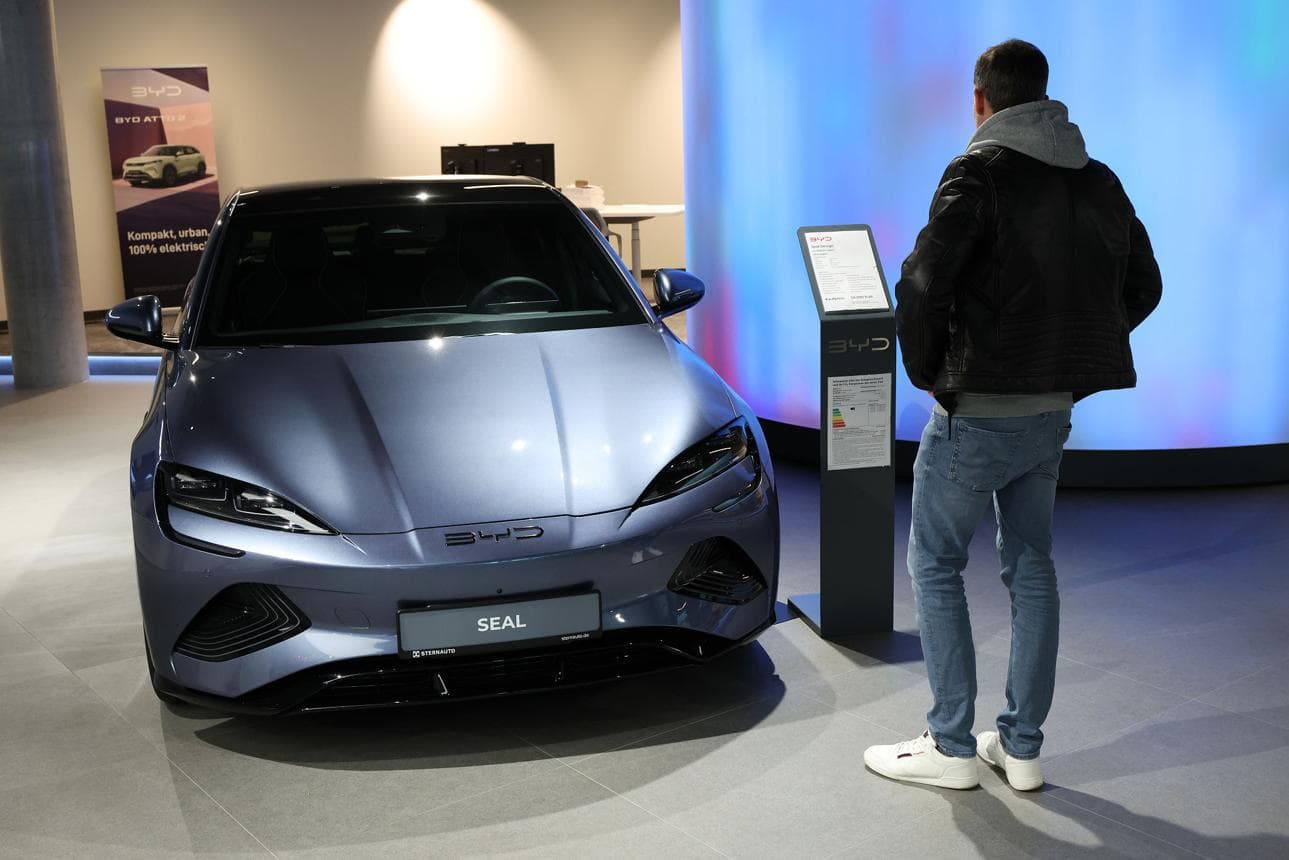
Strategy runs underneath the commerce. Indonesia sits at the centre of Southeast Asia’s supply chains and holds the world’s largest nickel reserves, a metal Europe needs for electric-vehicle batteries. By locking in preferential access, the EU trims its dependence on China for processed minerals and hands European carmakers a friendlier route to the raw materials of the energy transition.

Indonesia reads the deal through its own lens. President Prabowo Subianto’s government wants to diversify an economy tied closely to Beijing and to attract European capital for its downstream metals ambitions. A pact with the world’s largest single market gives Jakarta leverage and signals to investors that its regulatory environment can meet European standards.

Hurdles remain. The European Parliament must give its consent, and lawmakers will scrutinise labour rights, deforestation and the sustainability chapter closely. Indonesia’s palm-oil sector still bristles at the EU’s deforestation regulation, which threatens to shut out producers who cannot prove clean supply chains. The joint statement promises cooperation on that file, but the details will test goodwill on both sides.

If ratification holds to schedule, the agreement enters into force in early 2027. Bilateral trade already tops 27 billion euros a year, and the Commission expects the deal to lift that figure substantially. For a bloc that has struggled to finish agreements in a protectionist decade, the Indonesia trade breakthrough offers a rare and welcome win.