August 10, 2026
LATEST
One Year On, the EU-Japan Alliance Faces Its First TestEurope’s Chip Ambitions Still Run Through Taiwan’s FabsWhy South Korea Bet Its Research Future on Europe’s ProgrammeEurope and Japan Deepen Their Economic Alliance as Rivals CircleFive Joint Defence Projects Launch Europe’s Military ShieldElectrification Plan Aims to Make Europe First Electro ContinentHorizon Europe Budget Fight Heats Up as Ministers Push BackGoogle’s DMA Fine Sets Off a Transatlantic Tariff ClashTwenty New University Alliances Join Erasmus for Two YearsForeign Subsidies Case Puts Temu in the EU’s SightsVan Tachographs Now Mandatory for Cross-Border FleetsStress Test Exposes Gaps in Euro Area Bank DefencesEurope Bets on a Gulf Partnership Before the Riyadh SummitWhy the Atlantic Route Now Runs Through MauritaniaKyiv and Chisinau Advance as the EU Accession Talks Gather PaceEurope’s New Digital Border System Beds In After a Rocky RolloutBrussels Mounts Its Largest Wildfire Response as the Fires SpreadRetail Spending Slipped in June, Wrong-Footing EconomistsHeatwave Warning Puts Brussels on Alert for Vulnerable GroupsKANAL’s 230 Million Euro Museum Sets a November Opening DateOne Year On, the EU-Japan Alliance Faces Its First TestEurope’s Chip Ambitions Still Run Through Taiwan’s FabsWhy South Korea Bet Its Research Future on Europe’s ProgrammeEurope and Japan Deepen Their Economic Alliance as Rivals CircleFive Joint Defence Projects Launch Europe’s Military ShieldElectrification Plan Aims to Make Europe First Electro ContinentHorizon Europe Budget Fight Heats Up as Ministers Push BackGoogle’s DMA Fine Sets Off a Transatlantic Tariff ClashTwenty New University Alliances Join Erasmus for Two YearsForeign Subsidies Case Puts Temu in the EU’s SightsVan Tachographs Now Mandatory for Cross-Border FleetsStress Test Exposes Gaps in Euro Area Bank DefencesEurope Bets on a Gulf Partnership Before the Riyadh SummitWhy the Atlantic Route Now Runs Through MauritaniaKyiv and Chisinau Advance as the EU Accession Talks Gather PaceEurope’s New Digital Border System Beds In After a Rocky RolloutBrussels Mounts Its Largest Wildfire Response as the Fires SpreadRetail Spending Slipped in June, Wrong-Footing EconomistsHeatwave Warning Puts Brussels on Alert for Vulnerable GroupsKANAL’s 230 Million Euro Museum Sets a November Opening Date
August 10, 2026
LATEST
One Year On, the EU-Japan Alliance Faces Its First TestEurope’s Chip Ambitions Still Run Through Taiwan’s FabsWhy South Korea Bet Its Research Future on Europe’s ProgrammeEurope and Japan Deepen Their Economic Alliance as Rivals CircleFive Joint Defence Projects Launch Europe’s Military ShieldElectrification Plan Aims to Make Europe First Electro ContinentHorizon Europe Budget Fight Heats Up as Ministers Push BackGoogle’s DMA Fine Sets Off a Transatlantic Tariff ClashTwenty New University Alliances Join Erasmus for Two YearsForeign Subsidies Case Puts Temu in the EU’s SightsVan Tachographs Now Mandatory for Cross-Border FleetsStress Test Exposes Gaps in Euro Area Bank DefencesEurope Bets on a Gulf Partnership Before the Riyadh SummitWhy the Atlantic Route Now Runs Through MauritaniaKyiv and Chisinau Advance as the EU Accession Talks Gather PaceEurope’s New Digital Border System Beds In After a Rocky RolloutBrussels Mounts Its Largest Wildfire Response as the Fires SpreadRetail Spending Slipped in June, Wrong-Footing EconomistsHeatwave Warning Puts Brussels on Alert for Vulnerable GroupsKANAL’s 230 Million Euro Museum Sets a November Opening DateOne Year On, the EU-Japan Alliance Faces Its First TestEurope’s Chip Ambitions Still Run Through Taiwan’s FabsWhy South Korea Bet Its Research Future on Europe’s ProgrammeEurope and Japan Deepen Their Economic Alliance as Rivals CircleFive Joint Defence Projects Launch Europe’s Military ShieldElectrification Plan Aims to Make Europe First Electro ContinentHorizon Europe Budget Fight Heats Up as Ministers Push BackGoogle’s DMA Fine Sets Off a Transatlantic Tariff ClashTwenty New University Alliances Join Erasmus for Two YearsForeign Subsidies Case Puts Temu in the EU’s SightsVan Tachographs Now Mandatory for Cross-Border FleetsStress Test Exposes Gaps in Euro Area Bank DefencesEurope Bets on a Gulf Partnership Before the Riyadh SummitWhy the Atlantic Route Now Runs Through MauritaniaKyiv and Chisinau Advance as the EU Accession Talks Gather PaceEurope’s New Digital Border System Beds In After a Rocky RolloutBrussels Mounts Its Largest Wildfire Response as the Fires SpreadRetail Spending Slipped in June, Wrong-Footing EconomistsHeatwave Warning Puts Brussels on Alert for Vulnerable GroupsKANAL’s 230 Million Euro Museum Sets a November Opening Date

Maritime Plan Vote Anchors Priority Fishing Zones Across Sea Basins

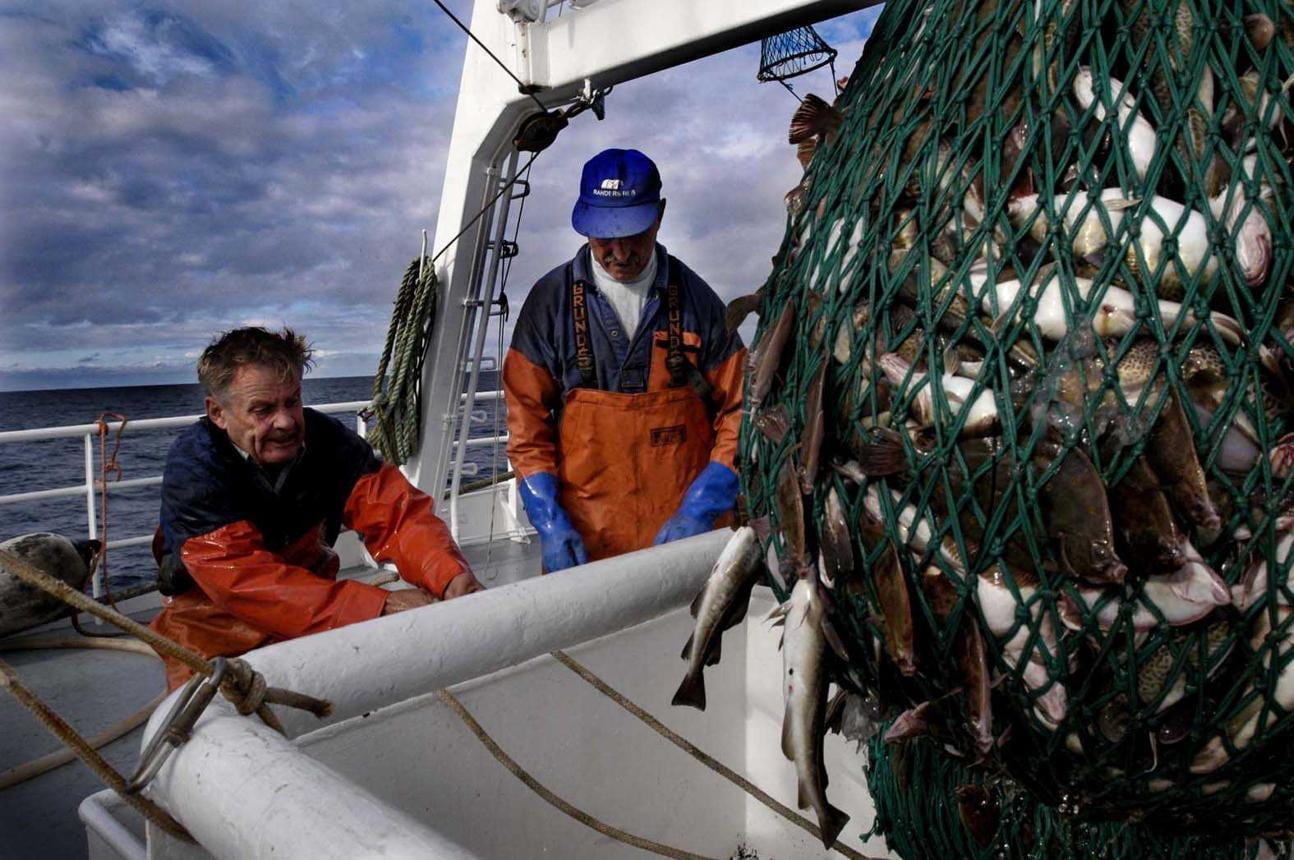
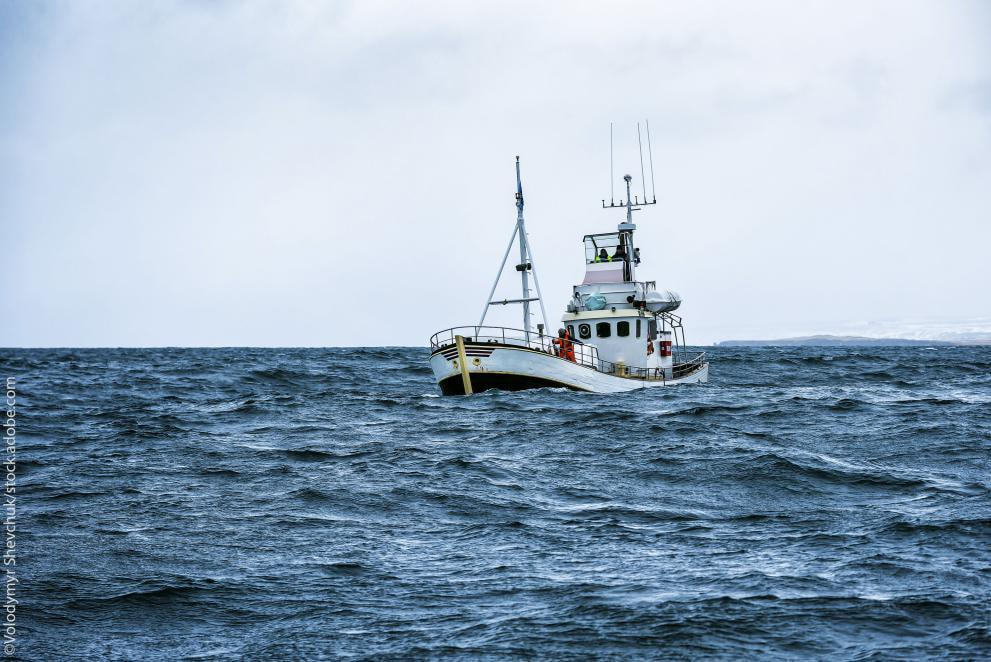
Limassol: European Maritime Day, hosted this week in the Cypriot port, has framed a political week dominated by two converging tracks for the European fisheries sector. On the eve of the conference, the European Parliament adopted a non-legislative resolution calling for the creation of designated priority zones for fisheries inside national maritime spatial plans, tailored to different fleet segments and sea basins, including reserved areas for small-scale coastal fishing. The vote followed a series of consultations during which fishermen associations from Cyprus, Greece, Portugal and Ireland highlighted growing pressure from offshore wind farms, undersea cable corridors and aquaculture installations.

The parliamentary recommendation, supported by a broad cross-party majority, asks member states to review their maritime spatial plans during the next planning cycle and to map at least one priority fisheries zone for each fleet segment that operates above a defined economic threshold. The text also asks the Commission to monitor the implementation of those plans through the European Maritime, Fisheries and Aquaculture Fund. Although the resolution is not binding, officials inside the directorate for oceans and fisheries say that future fund disbursements may take account of how member states accommodate the spatial demands of fishing communities, particularly in basins where multi-use conflict has been documented.

The second track unfolded earlier in the month, when the Commission published its evaluation of the Common Fisheries Policy on 1 May. The evaluation runs to several hundred pages and concludes that, while the environmental sustainability of the fleet has improved measurably since the 2013 reform, the socio-economic objectives of the policy have not been met. The number of registered vessels has continued to decline, average crew ages have risen, and the share of small-scale operators in total landings has shrunk. Industry federation Europeche described the conclusions as disappointing but unsurprising, and called for a targeted revision rather than a wholesale rewrite of the policy.

The Commission has been careful not to commit to a revision timetable, with Director General officials briefing journalists that any legislative proposal will await the wider strategic review of the Union blue economy. That review is being prepared inside the Berlaymont for late summer and will incorporate a series of regional fisheries dialogues already underway in Vigo, Cadiz, La Rochelle and Iraklio. A specific track addresses generational renewal in the workforce, including incentives for younger entrants and adjustments to the safety and welfare standards on board vessels.

In parallel, the European delegation to the International Indian Ocean Tuna Commission, which met in Male from 11 to 15 May, secured a yellowfin tuna management framework that allows the replacement of ageing supply vessels instead of requiring their permanent withdrawal from the fleet. The Tuna Group of Europeche welcomed the outcome, arguing that fleet renewal is essential for maritime safety and crew welfare, two issues that have featured prominently in the CFP evaluation.

For coastal communities on the eastern Mediterranean and in the Bay of Biscay, the practical consequences of the maritime spatial planning vote will arrive over a longer horizon. Member states have until December 2027 to update their plans, but the political signalling from the European Parliament has already shifted the tone of regional consultations. Energy developers and aquaculture investors are now expected to demonstrate that their projects can coexist with fisheries activity rather than simply minimise the visible footprint of their installations.