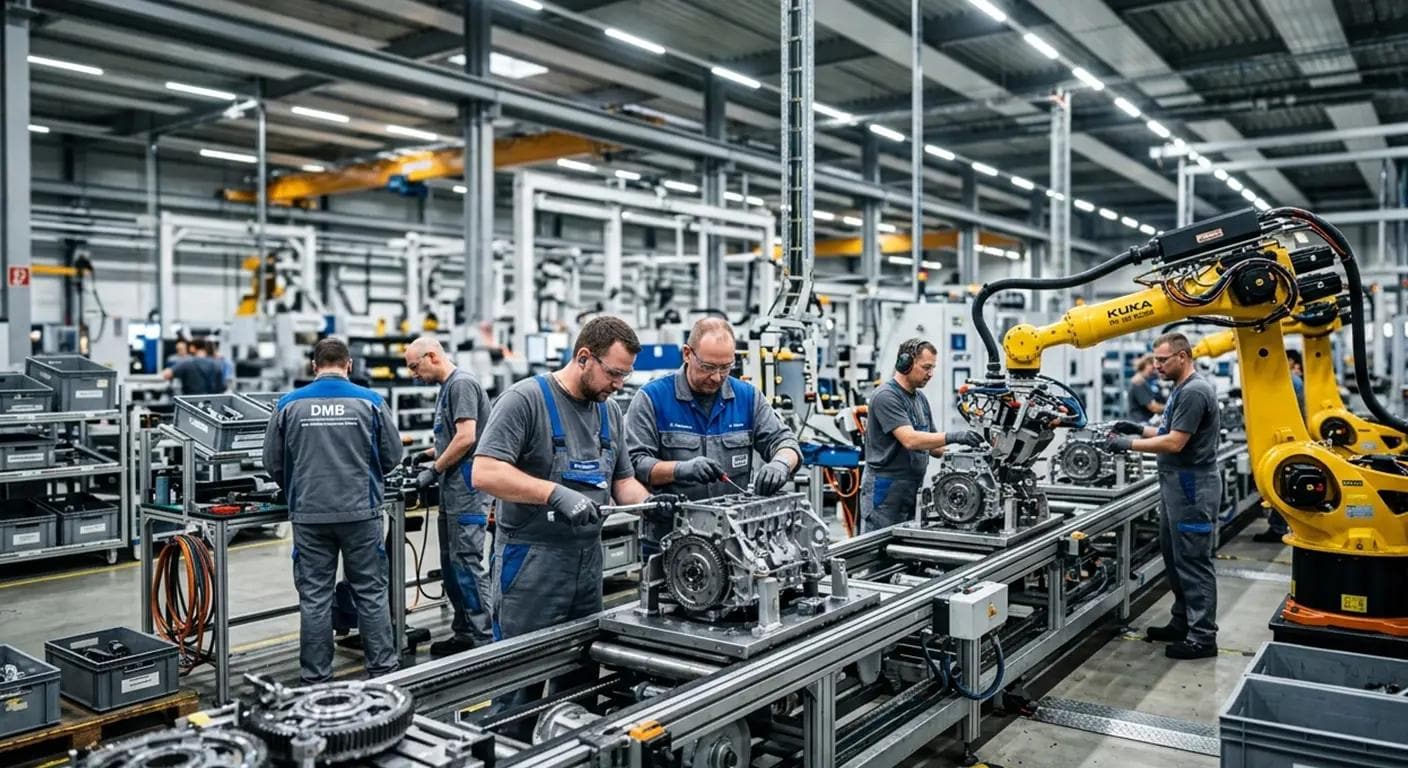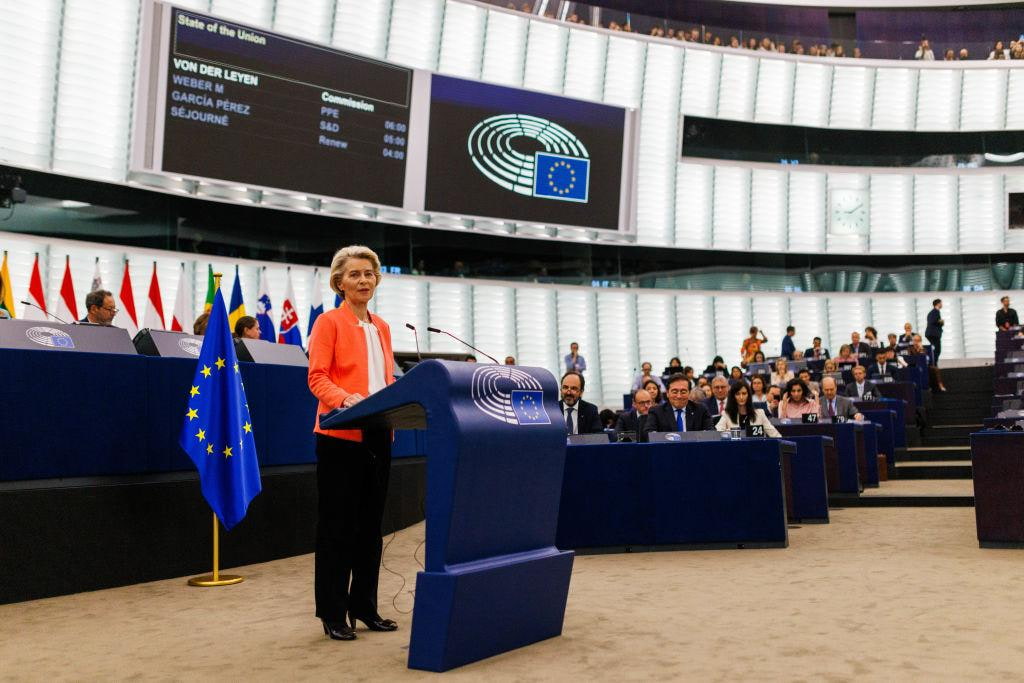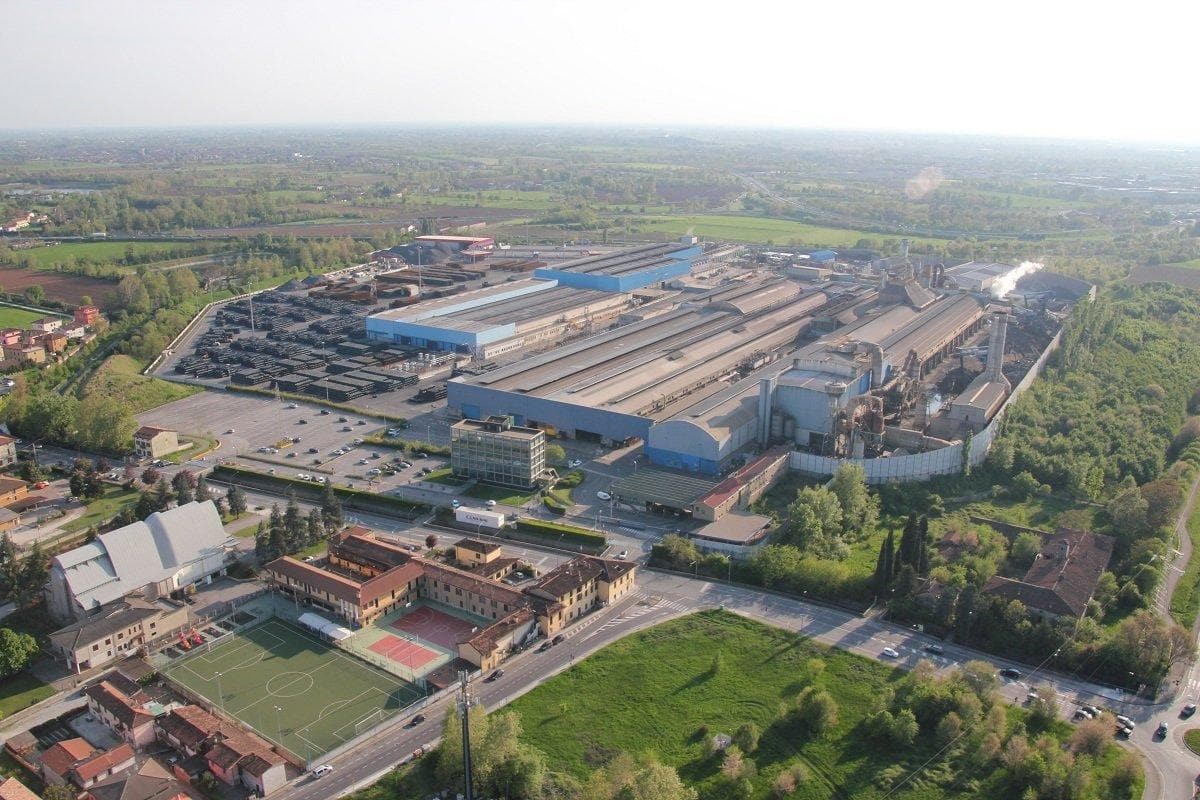
Brescia: The valve, fastener and radiator workshops of this Lombardy province rarely feature in climate debates, yet the European Parliament put them at the centre of one this week. Meeting in Strasbourg during the September plenary, members adopted their negotiating position on extending the EU carbon border adjustment mechanism to finished goods that contain steel and aluminium, backing the text by 464 votes to 50 with 159 abstentions.
The carbon border levy currently reaches only six raw inputs, namely cement, iron and steel, aluminium, fertilisers, electricity and hydrogen. Importers who buy the bolt rather than the bar have paid nothing. European producers have complained for two years that the gap simply moves the carbon abroad and lets the finished part walk in behind it.
The three institutions now disagree about how far the fix should go. The Commission proposed adding 180 downstream products in December 2025, choosing items whose steel or aluminium content averages 79 percent. Ministers went further on 12 June, when they agreed a Council general approach covering roughly 200 additional metal-intensive industrial, construction and electrical goods, and asked the Commission to review the list every year from 2028.
Parliament has jumped past both. The Committee on Environment, Climate and Food Safety adopted its report on 9 July under rapporteur Mohammed Chahim, and that text stretches the scope to 457 products. It also writes definitions for resource shuffling and pre-consumer aluminium scrap into the regulation, spelling out how customs authorities should judge which goods and which origins carry a high risk of abuse.
Two of Parliament’s additions matter more than the headline count. The committee wants online platforms that facilitate imports to fall under the same obligations as conventional importers, which closes a route that grew quickly once the single mass-based threshold for distance sales took effect. It also deleted the Commission’s crisis exemption clause and replaced it with a narrow derogation for outermost regions facing severe harm.
Developing economies gain something in the Parliament text as well. Members added technical assistance for least-developed countries, provisions on international cooperation over carbon pricing, and a route for candidate countries in exceptional security situations to rely on default emission values rather than measured data. Whether ministers accept any of that will shape how the mechanism reads to Europe’s trading partners.
Trilogue talks open with a gap of more than 250 products between the Council and Parliament lists, and the arithmetic is not merely cosmetic. Each product added pulls thousands of small importers into a reporting regime built for steel mills, and Brescia’s suppliers will discover the compliance cost long before the negotiators settle the annex. The EPRS briefing on the file sets out the three positions side by side.
Critics of the extension argue that a carbon border levy designed for commodities cannot police a screw, because verifying embedded emissions in a component that crossed four borders demands data that suppliers do not hold. Defenders answer that leaving the component out guarantees the leakage the instrument exists to stop. Negotiators must resolve that argument before the annual review cycle starts in 2028.