August 29, 2026
LATEST
Thailand Trade Talks Enter Their Final Nine Chapters in EuropeWhy Europe’s Agri-Food Surplus Grew While Exports Kept FallingWhat Europe Needs From the GCC Summit Riyadh Will Host in AutumnHolding Limits Still Block a Digital Euro Deal Before DecemberData Rules Agreed With Seoul Now Wait on Parliament’s ConsentChina Listed Fourteen European Firms and November Ends the TruceWhy Australia’s Finished Trade Deal Still Has No Signature DateLate Application Leaves Tokyo Outside the Defence Loan QueueCyber Resilience Rules Give Makers 24 Hours From SeptemberWinter Stocks Test Europe’s New Gas Storage Flexibility RulesInnovation Theory Meets Merger Control in a New Commission StudyMercosur Tariffs Fell in May and the Court Has Not Ruled YetBilaterals III Now Turns on Which Referendum Switzerland PicksDark Patterns Face the EU Digital Fairness ActFifteen Chapters Stand Between Montenegro and 2028Who Blinks First in the FP10 Research Budget FightCustoms Reform Landed in March and Its Data Hub Opens in 2028Victims Rights Gain an EU Helpline and Capitals Have Two YearsIreland Must Move the EU Budget Box Before the October SummitFertiliser Prices Sit 71 Percent Above Their 2024 Average LevelThailand Trade Talks Enter Their Final Nine Chapters in EuropeWhy Europe’s Agri-Food Surplus Grew While Exports Kept FallingWhat Europe Needs From the GCC Summit Riyadh Will Host in AutumnHolding Limits Still Block a Digital Euro Deal Before DecemberData Rules Agreed With Seoul Now Wait on Parliament’s ConsentChina Listed Fourteen European Firms and November Ends the TruceWhy Australia’s Finished Trade Deal Still Has No Signature DateLate Application Leaves Tokyo Outside the Defence Loan QueueCyber Resilience Rules Give Makers 24 Hours From SeptemberWinter Stocks Test Europe’s New Gas Storage Flexibility RulesInnovation Theory Meets Merger Control in a New Commission StudyMercosur Tariffs Fell in May and the Court Has Not Ruled YetBilaterals III Now Turns on Which Referendum Switzerland PicksDark Patterns Face the EU Digital Fairness ActFifteen Chapters Stand Between Montenegro and 2028Who Blinks First in the FP10 Research Budget FightCustoms Reform Landed in March and Its Data Hub Opens in 2028Victims Rights Gain an EU Helpline and Capitals Have Two YearsIreland Must Move the EU Budget Box Before the October SummitFertiliser Prices Sit 71 Percent Above Their 2024 Average Level
August 29, 2026
LATEST
Thailand Trade Talks Enter Their Final Nine Chapters in EuropeWhy Europe’s Agri-Food Surplus Grew While Exports Kept FallingWhat Europe Needs From the GCC Summit Riyadh Will Host in AutumnHolding Limits Still Block a Digital Euro Deal Before DecemberData Rules Agreed With Seoul Now Wait on Parliament’s ConsentChina Listed Fourteen European Firms and November Ends the TruceWhy Australia’s Finished Trade Deal Still Has No Signature DateLate Application Leaves Tokyo Outside the Defence Loan QueueCyber Resilience Rules Give Makers 24 Hours From SeptemberWinter Stocks Test Europe’s New Gas Storage Flexibility RulesInnovation Theory Meets Merger Control in a New Commission StudyMercosur Tariffs Fell in May and the Court Has Not Ruled YetBilaterals III Now Turns on Which Referendum Switzerland PicksDark Patterns Face the EU Digital Fairness ActFifteen Chapters Stand Between Montenegro and 2028Who Blinks First in the FP10 Research Budget FightCustoms Reform Landed in March and Its Data Hub Opens in 2028Victims Rights Gain an EU Helpline and Capitals Have Two YearsIreland Must Move the EU Budget Box Before the October SummitFertiliser Prices Sit 71 Percent Above Their 2024 Average LevelThailand Trade Talks Enter Their Final Nine Chapters in EuropeWhy Europe’s Agri-Food Surplus Grew While Exports Kept FallingWhat Europe Needs From the GCC Summit Riyadh Will Host in AutumnHolding Limits Still Block a Digital Euro Deal Before DecemberData Rules Agreed With Seoul Now Wait on Parliament’s ConsentChina Listed Fourteen European Firms and November Ends the TruceWhy Australia’s Finished Trade Deal Still Has No Signature DateLate Application Leaves Tokyo Outside the Defence Loan QueueCyber Resilience Rules Give Makers 24 Hours From SeptemberWinter Stocks Test Europe’s New Gas Storage Flexibility RulesInnovation Theory Meets Merger Control in a New Commission StudyMercosur Tariffs Fell in May and the Court Has Not Ruled YetBilaterals III Now Turns on Which Referendum Switzerland PicksDark Patterns Face the EU Digital Fairness ActFifteen Chapters Stand Between Montenegro and 2028Who Blinks First in the FP10 Research Budget FightCustoms Reform Landed in March and Its Data Hub Opens in 2028Victims Rights Gain an EU Helpline and Capitals Have Two YearsIreland Must Move the EU Budget Box Before the October SummitFertiliser Prices Sit 71 Percent Above Their 2024 Average Level

Hydrogen and Small Reactors Anchor the New Korea Energy Talks

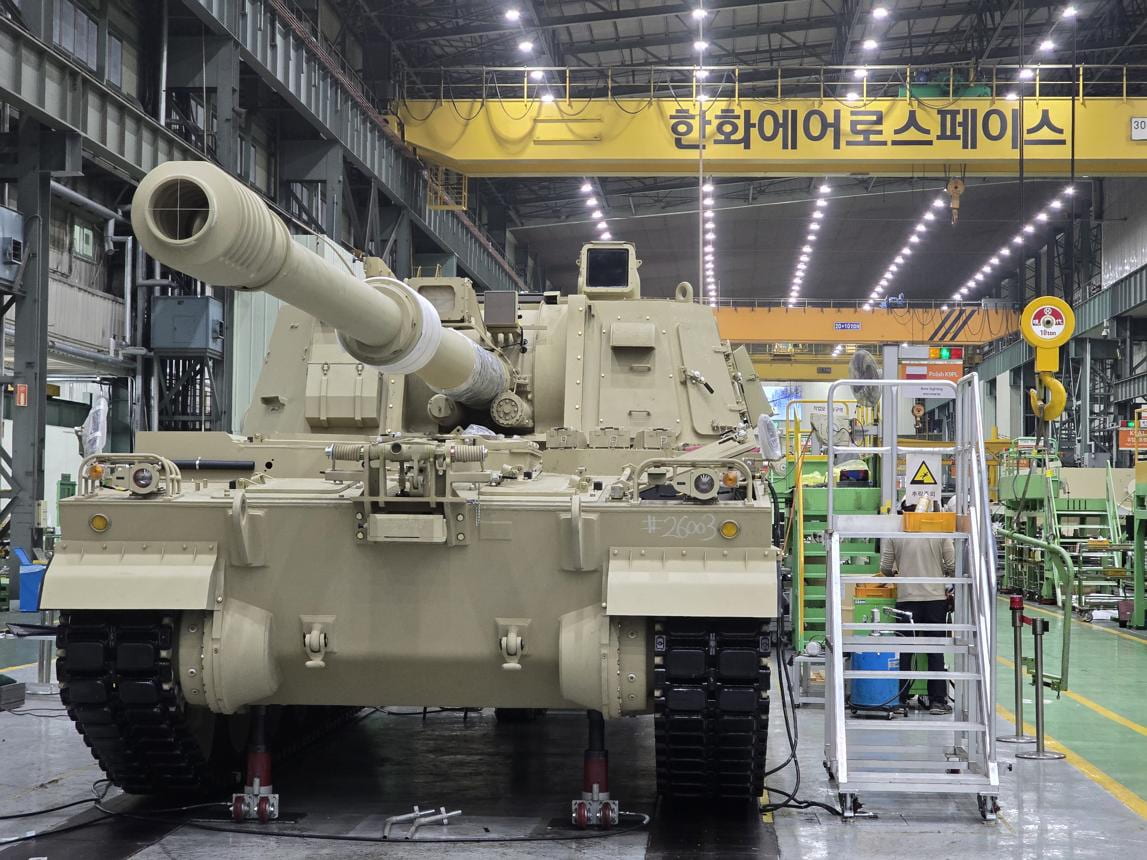
Ulsan: The shipyards and petrochemical works crowded along this southeastern Korean coast build the floating platforms, electrolyser modules and pressure vessels that European decarbonisation plans assume someone will manufacture. When the European Union and the Republic of Korea launched a high level energy dialogue at their eleventh summit in Brussels on 10 June 2026, they created the first standing channel through which those two sets of plans can be compared.

The dialogue covers hydrogen, offshore wind, nuclear energy including small modular reactors, and low carbon technologies more broadly. The joint statement lists these alongside a competitiveness partnership and a high level economic dialogue, which places energy inside an industrial conversation rather than a climate one. That framing is accurate and it explains why the dialogue exists at all.

Korea’s interest is straightforward. Its shipbuilders dominate the market for floating offshore wind substructures and for the specialised vessels that install them, and European offshore targets require a construction rate European yards cannot currently meet. Its reactor vendors have delivered projects abroad on schedule and to budget, a claim European suppliers have struggled to make since Olkiluoto and Flamanville. Its industrial groups want long term offtake commitments before they commit capital.

Europe’s interest is more complicated, because Europe has not settled what it wants. Small modular reactors sit inside an unresolved argument about whether nuclear counts as a decarbonisation instrument or a distraction, and that argument runs through member state politics rather than between Brussels and Seoul. A dialogue can identify Korean capability. It cannot tell a Korean vendor which European market will issue a licence.

Hydrogen carries a different obstacle. Korean firms have invested in ammonia carriers and in the cracking infrastructure that turns imported ammonia back into hydrogen, betting on a trade Europe has repeatedly delayed. European hydrogen demand has fallen short of every projection published since 2021, and the delegated acts governing what qualifies as renewable hydrogen have made import contracts hard to price. Korean suppliers reading the European market see a rulebook that changes faster than a fifteen year offtake agreement can absorb.

The value of a standing dialogue lies precisely in that mismatch. Both sides currently plan against untested assumptions about the other. European capacity forecasts assume Asian manufacturing will be available at scale. Korean investment cases assume European demand will materialise on the timetable European strategies advertise. A structured channel forces those numbers into the same room, which helps more than another declaration of shared ambition.

The Commission’s international energy work has produced many such dialogues, and most generate paper rather than projects. This one has a better chance because the commercial relationship already exists. Korean yards build European vessels today. Korean battery plants operate in Hungary and Poland today. The dialogue sits on top of trade that is happening, not conjured to create it.

The measure of whether it works will not be the next joint statement. It will be whether a European offshore wind developer signs a Korean supply contract with delivery dates inside this decade, and whether any European government moves a Korean reactor design into a national licensing process. Both are decisions taken in capitals, not in dialogues, which marks the limit of what Brussels and Seoul agreed in June.