Veldhoven: Europe’s dual-use export controls are about to cover a new generation of chipmaking equipment, as the scrutiny window for the Commission’s 2026 update of the control list closes in mid-November. Exporters of semiconductor tools, power electronics and advanced materials now face licence requirements that did not exist a year ago.
The European Commission adopted the delegated regulation amending Annex I of the Dual-Use Regulation, Regulation (EU) 2021/821, on 14 September 2026. The European Parliament and the Council then had two months to object. That window runs out in mid-November with no objection reported, and the act takes effect on publication in the Official Journal, which trade advisers at Ebner Stolz expect this month.
For dual-use export controls, the calendar mirrors last year. The 2025 update appeared in the Official Journal on 14 November 2025 as Delegated Regulation (EU) 2025/2003 and applied from the following day. Companies therefore have little time to update product classifications and material master data before the new entries bite.
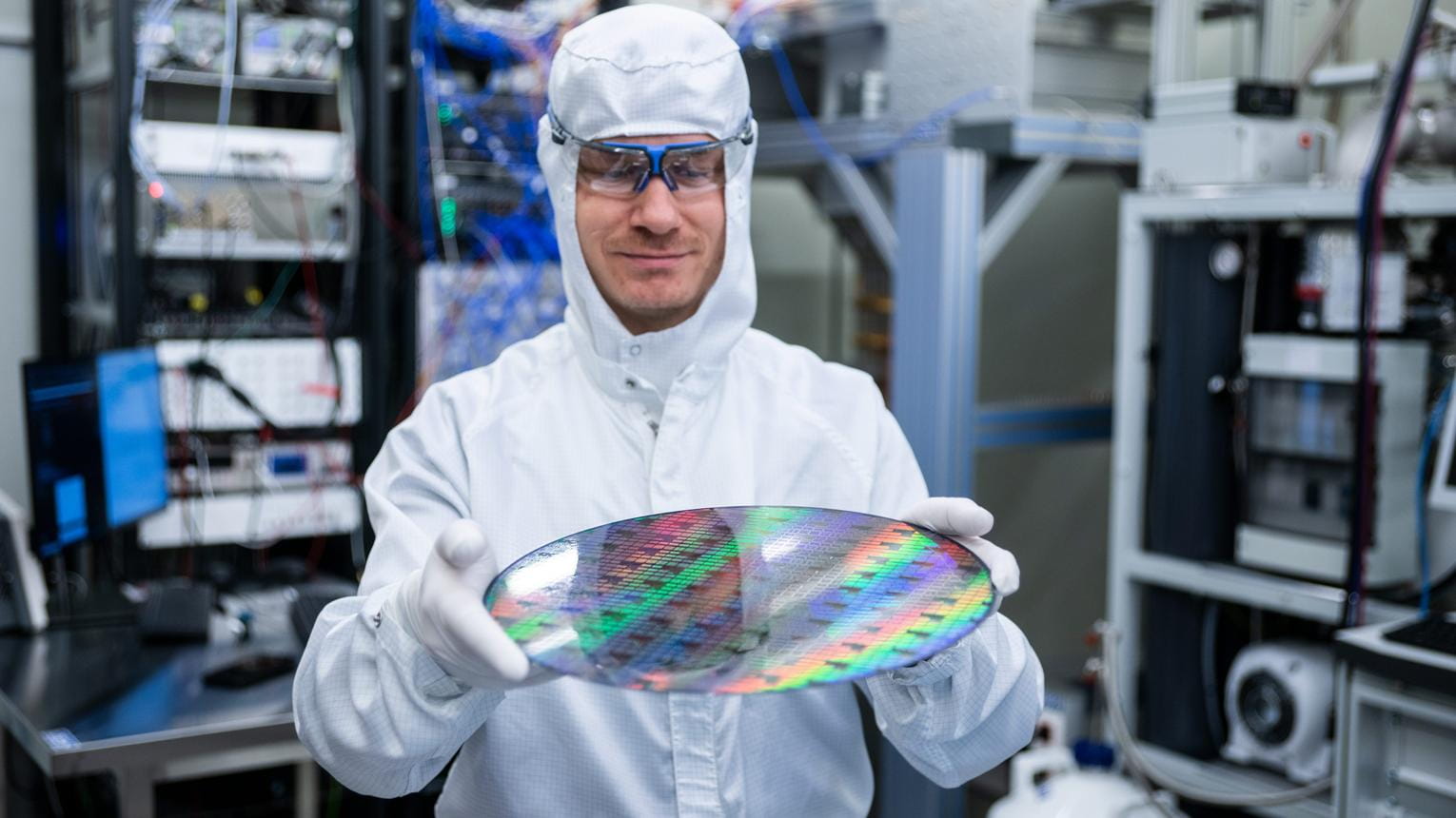
Semiconductor manufacturing sits at the heart of the 2026 list. New entries capture certain atomic layer deposition equipment for molybdenum and ruthenium, EUV photoresist-processing and mask-inspection tools, single-wafer cleaning equipment and deposition systems for EUV mask reflectors. The update also extends software controls to this equipment, according to an analysis by Baker McKenzie.
The changes go beyond lithography. High-voltage switches, diodes and modules built on wide-bandgap materials such as silicon carbide, gallium nitride and gallium oxide join the list. So do mullite-fibre ceramic composites, inductive absolute-position rotary encoders, additive manufacturing of energetic materials and development technology for gas turbine axial compressors. The Commission also revised the entry for advanced computing chips and decontrolled some data-centre items.
The legal logic behind dual-use export controls is multilateral. The Commission aligned the list with 2025 decisions of the Wassenaar Arrangement, the Australia Group and the Nuclear Suppliers Group, and added extra Wassenaar commitments. Because Russia sits in Wassenaar and can block consensus, EU capitals increasingly agree controls among like-minded partners and then write them into EU law.
For Europe’s chip cluster, the effect of tighter dual-use export controls is concrete. Equipment makers in the Netherlands, Germany and Belgium sell worldwide, and a licence obligation adds weeks to deliveries outside the EU. Exporters must also check whether sharing design data for compressors or chip tools counts as a controlled technology transfer.
Dual-use export controls also feed the EU’s wider economic security agenda for 2026. The Commission wants member states to apply the rules consistently, so that sensitive items cannot leak through the most lenient licensing authority. National licensing authorities, such as Germany’s BAFA in Eschborn, will carry most of the new workload.
Industry will get its next chance to raise concerns at the Export Control Forum, which the Commission hosts on 20 November 2026. Firms that have not yet screened their catalogues against the revised Annex I should start now, because dual-use export controls apply from day one and penalties for unlicensed shipments remain a national matter.