September 18, 2026
LATEST
Riyadh Gets a Summit Date Before the Gulf Trade Text Is WrittenMontenegro Has Fifteen Chapters and Six Months Left to Close ThemPyongyang Earns European Salaries Through Staff Nobody Ever MetNew Zealand Is the Partner Europe Talks To but Has Not SignedIndonesia Wants an October Signature Europe Has Not ScheduledNine Parliaments Still Stand Between Hanoi and Its Investment PactMEPs Back a Democracy Shield That Still Lacks a Legal ActWhy Due Cause Rarely Saves a Political Parody in CourtErasmus Budget Heads for an October Vote With Its Shares UnsettledEurope’s Pharma Package Waits on One Final Parliament Vote in AutumnCouncil Must Sign Off Five Defence Projects Before EDIP Pays OutInvestors Bid 152 Billion for 11 Billion of EU-BondsEgypt’s Macro-Financial Assistance Nears Its Most Political PaymentGreen Hydrogen Gets Fifty-Eight Million of a Twelve-Billion PledgeFerronickel Supply Puts a Chinese Mining Deal in DoubtEU Solidarity Fund Sends 489 Million After Winter StormsForeign Money Now Faces One Screening Rulebook Across the UnionFinland Entered the Deficit List While Nine Older Cases WaitMember States Must Now Criminalise the Abuse of Public OfficePaperless Trade Is the Part of the Singapore Deal That BitesRiyadh Gets a Summit Date Before the Gulf Trade Text Is WrittenMontenegro Has Fifteen Chapters and Six Months Left to Close ThemPyongyang Earns European Salaries Through Staff Nobody Ever MetNew Zealand Is the Partner Europe Talks To but Has Not SignedIndonesia Wants an October Signature Europe Has Not ScheduledNine Parliaments Still Stand Between Hanoi and Its Investment PactMEPs Back a Democracy Shield That Still Lacks a Legal ActWhy Due Cause Rarely Saves a Political Parody in CourtErasmus Budget Heads for an October Vote With Its Shares UnsettledEurope’s Pharma Package Waits on One Final Parliament Vote in AutumnCouncil Must Sign Off Five Defence Projects Before EDIP Pays OutInvestors Bid 152 Billion for 11 Billion of EU-BondsEgypt’s Macro-Financial Assistance Nears Its Most Political PaymentGreen Hydrogen Gets Fifty-Eight Million of a Twelve-Billion PledgeFerronickel Supply Puts a Chinese Mining Deal in DoubtEU Solidarity Fund Sends 489 Million After Winter StormsForeign Money Now Faces One Screening Rulebook Across the UnionFinland Entered the Deficit List While Nine Older Cases WaitMember States Must Now Criminalise the Abuse of Public OfficePaperless Trade Is the Part of the Singapore Deal That Bites
September 18, 2026
LATEST
Riyadh Gets a Summit Date Before the Gulf Trade Text Is WrittenMontenegro Has Fifteen Chapters and Six Months Left to Close ThemPyongyang Earns European Salaries Through Staff Nobody Ever MetNew Zealand Is the Partner Europe Talks To but Has Not SignedIndonesia Wants an October Signature Europe Has Not ScheduledNine Parliaments Still Stand Between Hanoi and Its Investment PactMEPs Back a Democracy Shield That Still Lacks a Legal ActWhy Due Cause Rarely Saves a Political Parody in CourtErasmus Budget Heads for an October Vote With Its Shares UnsettledEurope’s Pharma Package Waits on One Final Parliament Vote in AutumnCouncil Must Sign Off Five Defence Projects Before EDIP Pays OutInvestors Bid 152 Billion for 11 Billion of EU-BondsEgypt’s Macro-Financial Assistance Nears Its Most Political PaymentGreen Hydrogen Gets Fifty-Eight Million of a Twelve-Billion PledgeFerronickel Supply Puts a Chinese Mining Deal in DoubtEU Solidarity Fund Sends 489 Million After Winter StormsForeign Money Now Faces One Screening Rulebook Across the UnionFinland Entered the Deficit List While Nine Older Cases WaitMember States Must Now Criminalise the Abuse of Public OfficePaperless Trade Is the Part of the Singapore Deal That BitesRiyadh Gets a Summit Date Before the Gulf Trade Text Is WrittenMontenegro Has Fifteen Chapters and Six Months Left to Close ThemPyongyang Earns European Salaries Through Staff Nobody Ever MetNew Zealand Is the Partner Europe Talks To but Has Not SignedIndonesia Wants an October Signature Europe Has Not ScheduledNine Parliaments Still Stand Between Hanoi and Its Investment PactMEPs Back a Democracy Shield That Still Lacks a Legal ActWhy Due Cause Rarely Saves a Political Parody in CourtErasmus Budget Heads for an October Vote With Its Shares UnsettledEurope’s Pharma Package Waits on One Final Parliament Vote in AutumnCouncil Must Sign Off Five Defence Projects Before EDIP Pays OutInvestors Bid 152 Billion for 11 Billion of EU-BondsEgypt’s Macro-Financial Assistance Nears Its Most Political PaymentGreen Hydrogen Gets Fifty-Eight Million of a Twelve-Billion PledgeFerronickel Supply Puts a Chinese Mining Deal in DoubtEU Solidarity Fund Sends 489 Million After Winter StormsForeign Money Now Faces One Screening Rulebook Across the UnionFinland Entered the Deficit List While Nine Older Cases WaitMember States Must Now Criminalise the Abuse of Public OfficePaperless Trade Is the Part of the Singapore Deal That Bites

Lille Gets Its Customs Authority Long Before the Data Hub Works

Lille: Ministers signed off on 3 September on the deepest rewrite of European customs law since the union’s tariff wall went up in 1968. The Council greenlit the package after lawyers and linguists finished combing the text agreed with Parliament in March. Publication in the Official Journal should follow by November.

The reform creates an EU Customs Authority and seats it in Lille. That choice matters less for symbolism than for staffing. A body that must eventually referee risk assessments for twenty-seven national administrations needs analysts, not a building, and recruitment has barely begun. The Authority opens its doors during 2026 and reaches full operation only in 2028.

Its core asset arrives later still. The EU Customs Data Hub is meant to replace the patchwork of national declaration systems with one interface where traders file once and every customs office reads the same record. Nothing about that is simple. Member states run legacy IT that predates the single market in its current form, and several have spent the past decade migrating to systems they now must migrate away from again.

The sequencing creates an awkward interval. Between now and the Hub’s arrival, the Authority holds a mandate to harmonise work it cannot yet see. Customs officers in Rotterdam and Constanta will keep applying the same code to the same goods and reaching different conclusions, because the data that would expose the divergence still sits in separate databases.

Trade associations pushed hard for the reform and now worry about the transition. Importers who prepared for a single filing point must maintain parallel national processes for at least two more years. Small traders, who lobbied loudest about compliance costs, face the worst of both systems until the new one works.

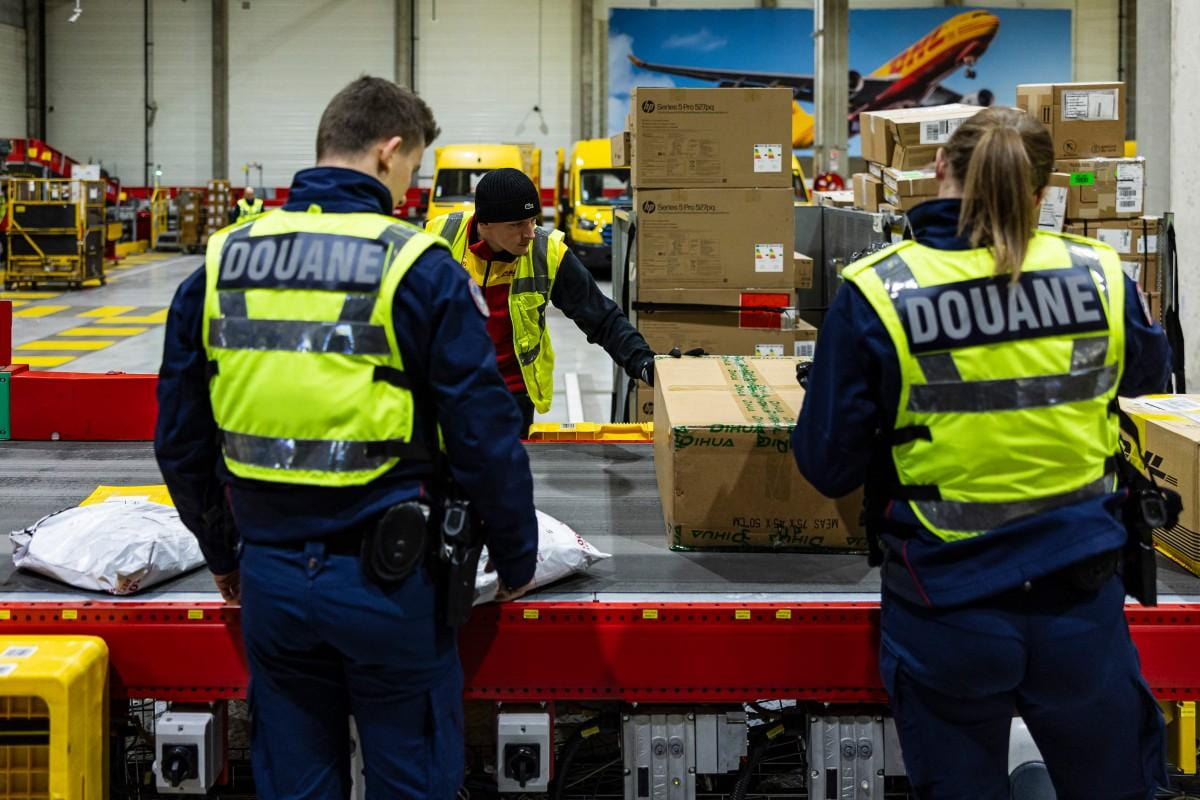
The reform also shifts liability. Under the new code, the trader who controls the goods carries responsibility for the accuracy of the data, which pulls large online marketplaces into a role they previously avoided. That change lands alongside the separate decision to end the low-value consignment exemption. Both target the same problem from different angles, and both depend on customs authorities having the capacity to check.

Capacity is the unspoken question. National customs services have lost staff for years while parcel volumes rose. A central Authority does not add inspectors at the port. It adds coordination, which helps only if the ports have someone to coordinate.

Supporters answer that the alternative was worse. The old code assumed containers and paper manifests. It never contemplated a hundred million small parcels a year arriving directly from third-country sellers. Whatever the transition costs, the existing framework had stopped describing the trade it governs.

The next test comes with the implementing acts. Those will decide what the Data Hub actually collects, and traders who won the political argument in March may find the technical annexes less generous.