August 29, 2026
LATEST
What Europe Needs From the GCC Summit Riyadh Will Host in AutumnHolding Limits Still Block a Digital Euro Deal Before DecemberData Rules Agreed With Seoul Now Wait on Parliament’s ConsentChina Listed Fourteen European Firms and November Ends the TruceWhy Australia’s Finished Trade Deal Still Has No Signature DateLate Application Leaves Tokyo Outside the Defence Loan QueueCyber Resilience Rules Give Makers 24 Hours From SeptemberWinter Stocks Test Europe’s New Gas Storage Flexibility RulesInnovation Theory Meets Merger Control in a New Commission StudyMercosur Tariffs Fell in May and the Court Has Not Ruled YetBilaterals III Now Turns on Which Referendum Switzerland PicksDark Patterns Face the EU Digital Fairness ActFifteen Chapters Stand Between Montenegro and 2028Who Blinks First in the FP10 Research Budget FightCustoms Reform Landed in March and Its Data Hub Opens in 2028Victims Rights Gain an EU Helpline and Capitals Have Two YearsIreland Must Move the EU Budget Box Before the October SummitFertiliser Prices Sit 71 Percent Above Their 2024 Average LevelState Aid Exemptions Face a Rewrite With Four Months to SpareIrregular Crossings Fell 37 Percent and Spain Is the ExceptionWhat Europe Needs From the GCC Summit Riyadh Will Host in AutumnHolding Limits Still Block a Digital Euro Deal Before DecemberData Rules Agreed With Seoul Now Wait on Parliament’s ConsentChina Listed Fourteen European Firms and November Ends the TruceWhy Australia’s Finished Trade Deal Still Has No Signature DateLate Application Leaves Tokyo Outside the Defence Loan QueueCyber Resilience Rules Give Makers 24 Hours From SeptemberWinter Stocks Test Europe’s New Gas Storage Flexibility RulesInnovation Theory Meets Merger Control in a New Commission StudyMercosur Tariffs Fell in May and the Court Has Not Ruled YetBilaterals III Now Turns on Which Referendum Switzerland PicksDark Patterns Face the EU Digital Fairness ActFifteen Chapters Stand Between Montenegro and 2028Who Blinks First in the FP10 Research Budget FightCustoms Reform Landed in March and Its Data Hub Opens in 2028Victims Rights Gain an EU Helpline and Capitals Have Two YearsIreland Must Move the EU Budget Box Before the October SummitFertiliser Prices Sit 71 Percent Above Their 2024 Average LevelState Aid Exemptions Face a Rewrite With Four Months to SpareIrregular Crossings Fell 37 Percent and Spain Is the Exception
August 29, 2026
LATEST
What Europe Needs From the GCC Summit Riyadh Will Host in AutumnHolding Limits Still Block a Digital Euro Deal Before DecemberData Rules Agreed With Seoul Now Wait on Parliament’s ConsentChina Listed Fourteen European Firms and November Ends the TruceWhy Australia’s Finished Trade Deal Still Has No Signature DateLate Application Leaves Tokyo Outside the Defence Loan QueueCyber Resilience Rules Give Makers 24 Hours From SeptemberWinter Stocks Test Europe’s New Gas Storage Flexibility RulesInnovation Theory Meets Merger Control in a New Commission StudyMercosur Tariffs Fell in May and the Court Has Not Ruled YetBilaterals III Now Turns on Which Referendum Switzerland PicksDark Patterns Face the EU Digital Fairness ActFifteen Chapters Stand Between Montenegro and 2028Who Blinks First in the FP10 Research Budget FightCustoms Reform Landed in March and Its Data Hub Opens in 2028Victims Rights Gain an EU Helpline and Capitals Have Two YearsIreland Must Move the EU Budget Box Before the October SummitFertiliser Prices Sit 71 Percent Above Their 2024 Average LevelState Aid Exemptions Face a Rewrite With Four Months to SpareIrregular Crossings Fell 37 Percent and Spain Is the ExceptionWhat Europe Needs From the GCC Summit Riyadh Will Host in AutumnHolding Limits Still Block a Digital Euro Deal Before DecemberData Rules Agreed With Seoul Now Wait on Parliament’s ConsentChina Listed Fourteen European Firms and November Ends the TruceWhy Australia’s Finished Trade Deal Still Has No Signature DateLate Application Leaves Tokyo Outside the Defence Loan QueueCyber Resilience Rules Give Makers 24 Hours From SeptemberWinter Stocks Test Europe’s New Gas Storage Flexibility RulesInnovation Theory Meets Merger Control in a New Commission StudyMercosur Tariffs Fell in May and the Court Has Not Ruled YetBilaterals III Now Turns on Which Referendum Switzerland PicksDark Patterns Face the EU Digital Fairness ActFifteen Chapters Stand Between Montenegro and 2028Who Blinks First in the FP10 Research Budget FightCustoms Reform Landed in March and Its Data Hub Opens in 2028Victims Rights Gain an EU Helpline and Capitals Have Two YearsIreland Must Move the EU Budget Box Before the October SummitFertiliser Prices Sit 71 Percent Above Their 2024 Average LevelState Aid Exemptions Face a Rewrite With Four Months to SpareIrregular Crossings Fell 37 Percent and Spain Is the Exception

Skills Money Now Dominates the Erasmus Budget Line

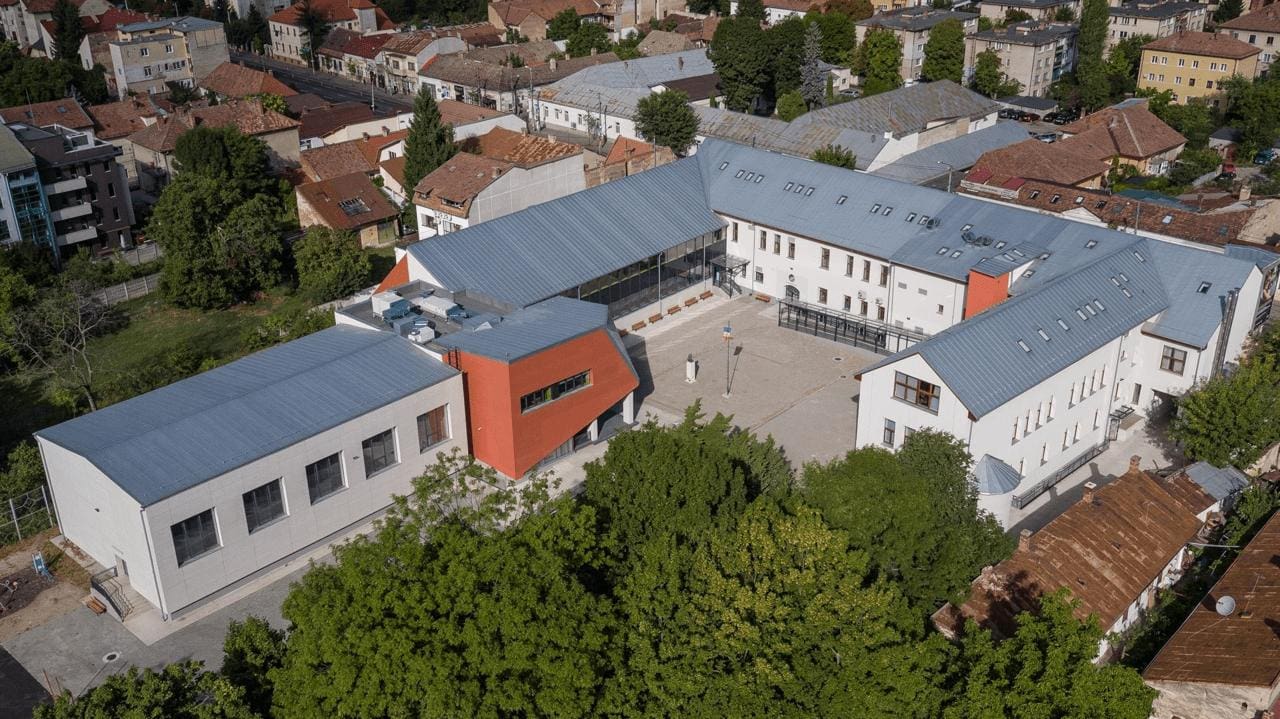
Cluj-Napoca: Romanian vocational colleges applying to Erasmus+ this year found the emphasis shifted beneath them. The 2026 call carries roughly 5.2 billion euros, and the Commission has framed the bulk of it around skills rather than the student exchanges that gave the programme its public identity.

The reframing is deliberate. Commission communication on the call places basic and digital skills alongside green, civic and soft skills, and it presents mobility as a delivery mechanism for competence rather than an end in itself. That language filters directly into evaluation criteria, and applicants who write proposals about cultural exchange without a skills outcome now score lower than they did five years ago.

For institutions in central and eastern member states, the shift cuts both ways. Vocational providers gain, because work-based learning and apprenticeship mobility fit the new priorities cleanly and these countries host strong technical schools with weak international profiles. Humanities faculties lose ground, since their outgoing students generate the same mobility numbers but map awkwardly onto competence frameworks built for measurable skills.

The budget arithmetic explains part of the emphasis. Erasmus+ operates under the 2021 to 2027 financial framework, and the final years of a programming period concentrate remaining commitments while the next framework is negotiated. Placing money behind skills strengthens the programme’s claim on the post-2027 budget, where competitiveness arguments carry more weight with finance ministries than cultural ones.

Applicants face a practical consequence that the strategic debate obscures. Success rates in the more competitive Erasmus+ actions remain low enough that preparing a proposal represents a real cost, and smaller institutions without dedicated project offices absorb that cost from teaching budgets. A university in Cluj-Napoca competes for the same calls as a well-resourced consortium leader in a larger member state, and the gap in proposal-writing capacity persists regardless of how the priorities are worded.

National agencies mediate some of that imbalance through decentralised actions, where allocations follow country envelopes rather than open competition. Those actions carry most of the individual mobility funding and remain the realistic route for a mid-sized institution. The centralised actions, which fund partnerships and policy experimentation, stay concentrated among repeat winners.

Whether the skills framing survives the next programming period is an open question. The European Parliament has defended the programme’s cultural and civic dimension in successive budget debates, and member states with large outgoing student populations value the exchange element for its own sake. The negotiation over the post-2027 framework will settle which argument prevails.

Colleges in Cluj-Napoca will adapt either way. They have written proposals to three different sets of priorities in a decade, and they expect to write to a fourth.