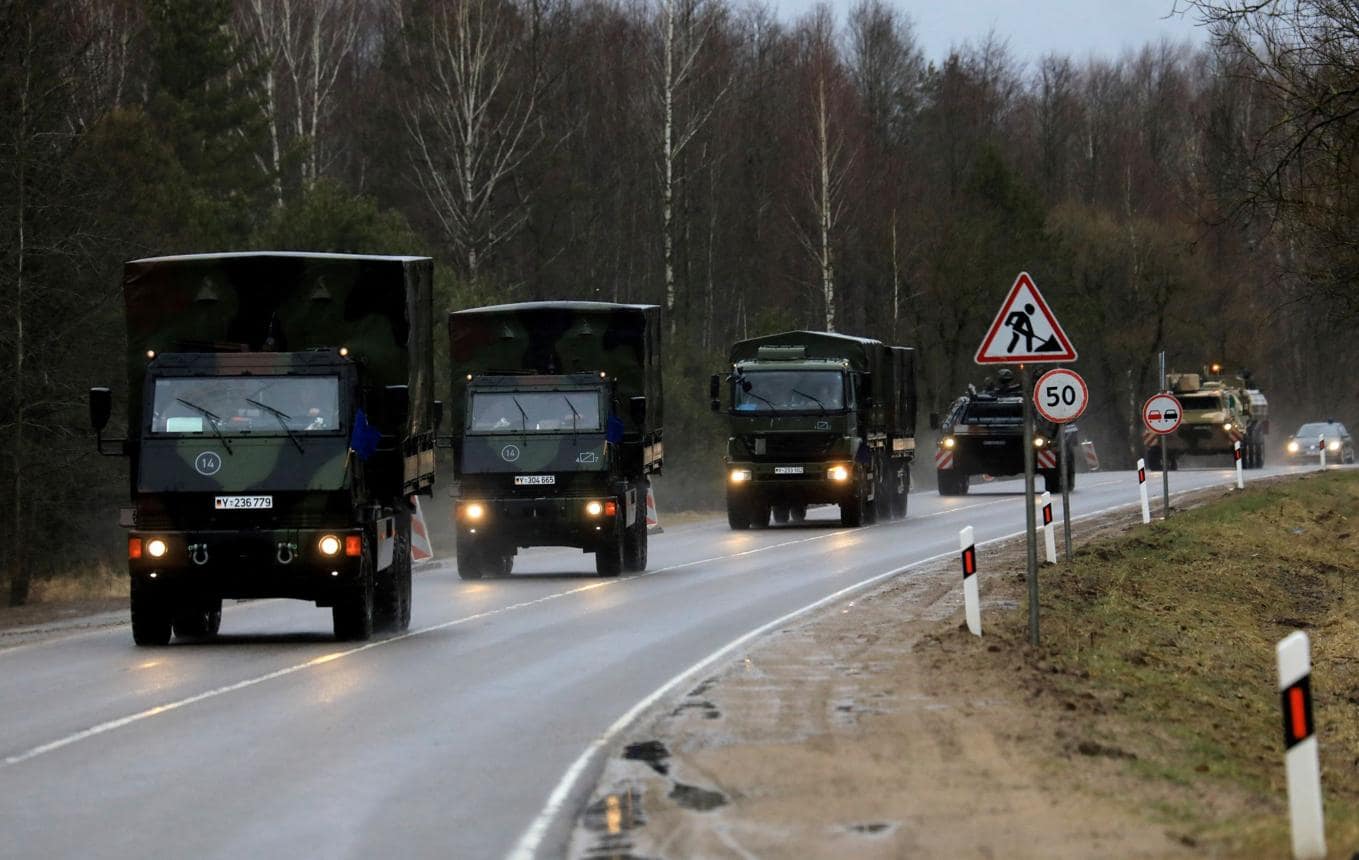
Kaunas: A brigade travelling from a Dutch barracks to a Lithuanian training area crosses four national borders, and at each one a different ministry decides how long the column waits. Commanders have raised this for a decade. Legislators will now settle part of it within weeks.
The European Parliament cleared the way for interinstitutional talks on the military mobility regulation on 8 July, three weeks after member states agreed their negotiating position on 17 June. Both institutions aim to close the file before the end of 2026.
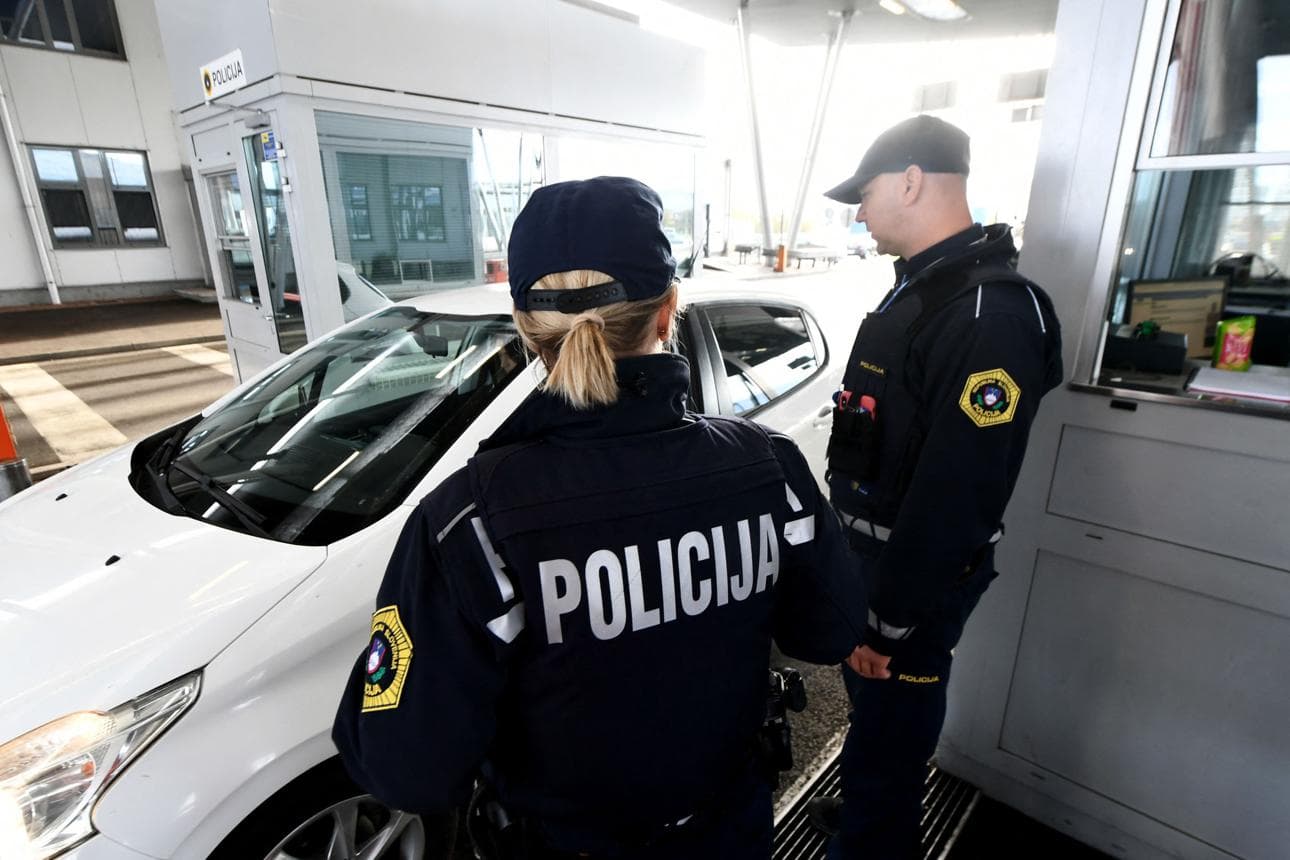
The draft creates one cross-border permission procedure with a maximum processing time of three days. Today some capitals answer a movement request in forty-eight hours while others take five weeks, and a convoy planner must assume the slowest. Customs formalities shrink to a common set of forms rather than twenty-seven national variants.
Three days sounds generous to anyone who has watched a commercial haulier clear a frontier in minutes. It reflects what defence ministries believe they can promise rather than what logisticians want. Negotiators inside the Council resisted a shorter figure because national authorities still check routes, bridges and escort arrangements by hand.
The regulation also builds an emergency layer. The European Military Mobility Enhanced Response System, known as EMERS, would suspend normal sequencing during a crisis and grant forces operating under European Union or NATO command priority access to ports, rail slots and motorway corridors. A separate solidarity pool asks governments to register transport capacity they own or contract from civilian operators, so a country short of heavy-equipment transporters can borrow rather than wait.
Those two elements carry the remaining disagreements. Parliament and the Council differ over who governs EMERS once it activates, how far private operators sit inside the operational chain, and how the solidarity pool interacts with the Union Civil Protection Mechanism, which draws on many of the same trucks and aircraft. A wildfire season and a troop movement can compete for one fleet.
Money sits outside the regulation and arrives later. The Commission earmarked 17.65 billion euros for military mobility in its proposed Connecting Europe Facility envelope for 2028 to 2034 and mapped roughly 500 hotspot projects along priority corridors, most of them bridges, tunnels and rail junctions that cannot carry the loads modern armour imposes. Nothing in the current negotiation releases that money, and the budget talks that decide it have their own deadlock.
That gap defines the honest limit of the file. Permission procedures cost almost nothing to harmonise and deliver a visible result, so they move first. The physical work costs billions and delivers nothing for a decade, so it moves last. A commander who receives approval in three days and then finds that a river crossing carries fifty tonnes rather than the seventy his tanks weigh has gained paperwork, not mobility.
Defence planners accept the sequence anyway. Lithuanian and Polish officials argue that predictable timing lets them rehearse reinforcement scenarios now, using the infrastructure that exists, and that rehearsal exposes the chokepoints worth funding. The list of 500 projects came out of exactly that exercise.
Trilogue sessions resume this autumn under a presidency that wants the file closed before the Christmas recess. The Commission has set an EU-wide military mobility area by the end of 2027 as its stated goal. Meeting that date depends less on the regulation than on whether the next long-term budget survives with its transport heading intact.