Brussels: Europe is once more staring at an energy bill it did not choose. A fresh crisis in the Middle East has sent fossil fuel prices climbing, and the European Commission has reached for a familiar toolkit to shield households and industry from the shock.
The centrepiece is a temporary state aid framework that lets member states cushion the sectors most exposed to the spike in energy prices. Brussels has drawn the eligibility lines around agriculture, fisheries, transport and energy-intensive manufacturing, the parts of the economy where dearer fuel bites fastest and hardest.
An old reflex, a new test
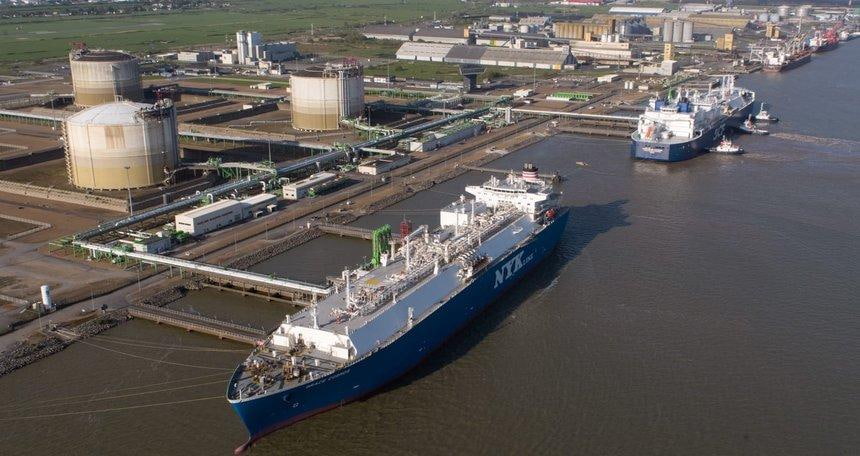
The move echoes the winter of 2022, when Russia’s invasion of Ukraine forced a scramble for gas and a wave of emergency subsidies. This time the trigger sits further from Europe’s borders, yet the transmission belt runs the same way: turmoil in oil and gas markets lands as costlier fuel, thinner margins and nervous consumers across the single market.
Coordination has improved since the last crunch. The Energy Union Task Force convened to weigh security and prices, while the Gas and Oil Coordination Groups assessed supply after the disruptions. That machinery, built during the Ukraine emergency, now faces its stress test on a different front.
Brussels also keeps one eye on the longer horizon. The Commission’s draft budget, tabled on 16 July, runs to almost €2 trillion in commitments and earmarks €630 billion for climate and environmental action, roughly 35 percent of the total. Officials argue that the surest defence against imported energy shocks is a faster shift off imported fuel altogether. The Commission has set out its emergency response in its action to address the energy crisis, promising targeted, temporary support rather than blanket handouts.
Where the strategy strains
State aid buys time, but it also buys trouble. Every round of national subsidy widens the gap between rich member states that can afford to shield their firms and poorer ones that cannot, and that imbalance quietly corrodes the level playing field the single market depends on. Brussels knows the risk, which is why it frames the help as temporary and targeted.
The deeper tension runs between crisis and climate. Cheap emergency support for fuel-hungry sectors can undercut the very transition the €630 billion is meant to accelerate. Manage the two badly, and Europe spends public money slowing its own escape from volatile energy prices.
Industry groups want more than temporary relief. Energy-intensive manufacturers, from steel to chemicals, warn that repeated price shocks are steadily eroding their ability to compete with American and Asian rivals that pay far less for power. Their message to Brussels is blunt: emergency aid treats the symptom, but only cheaper, home-grown clean energy cures the disease.
For now the calculus is political as much as economic. Governments cannot let winter arrive with families unable to heat their homes, and no leader will gamble on public patience during a supply squeeze. The harder task is to spend the coming months proving that each euro of relief also nudges the continent toward the day when a distant crisis no longer dictates its energy prices.