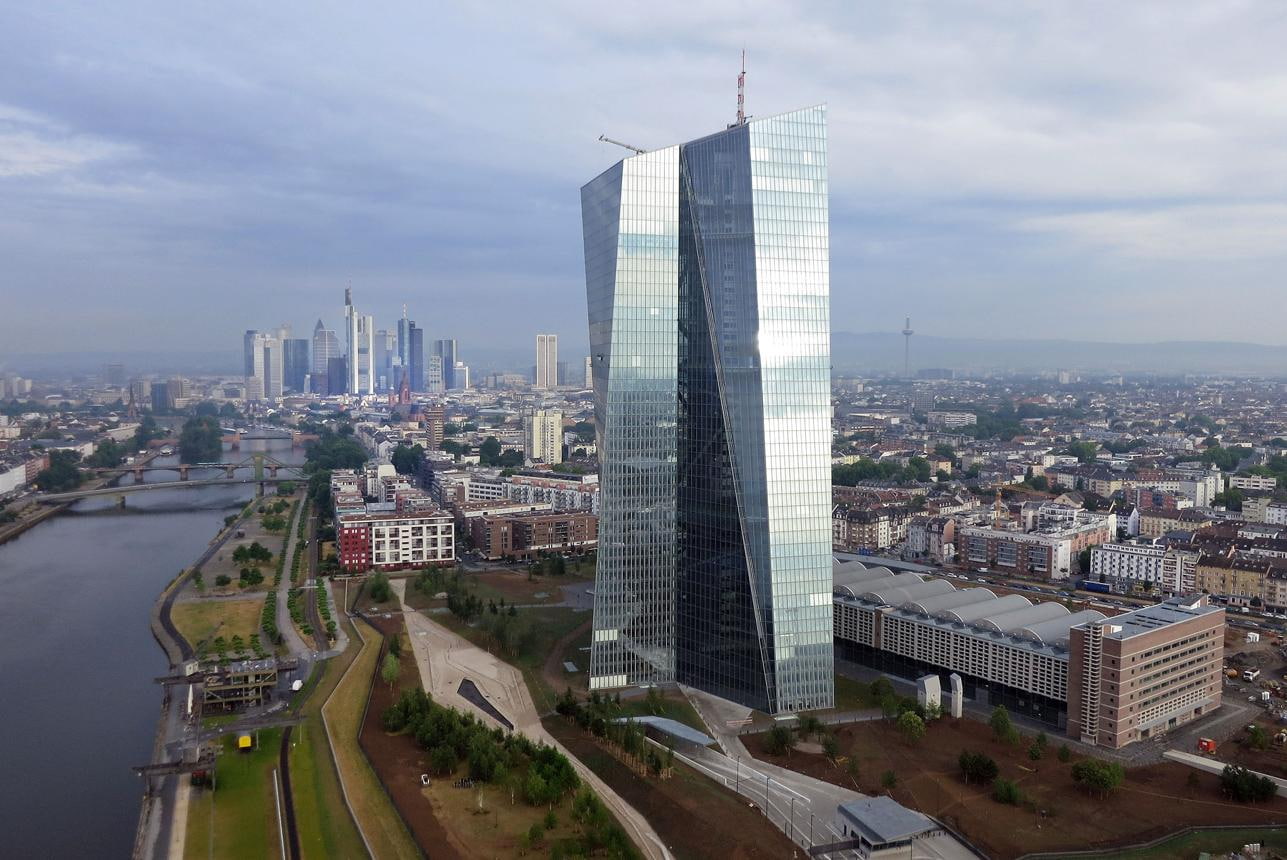
Frankfurt: The European Central Bank enters late summer with a posture it has rarely struck over the past year. It is standing still. After lifting all three key policy rates by 25 basis points at its June meeting, the Governing Council looks set to leave borrowing costs untouched, holding the deposit rate at 2.25 percent while it studies whether an energy-driven price shock will fade or fester.
The decision matters far beyond the trading floors that track every word from President Christine Lagarde. Households with tracker mortgages, small firms rolling over credit lines, and finance ministers pricing new debt all read the ECB rates outlook as a signal of where the euro-area economy turns next.
An energy shock reshapes the debate
June’s hike broke a long easing cycle. The Council raised rates for the first time in three years, and it pinned the move squarely on energy. A summer of higher gas and oil prices pushed headline inflation up and threatened to seep into wages and services, the stickier corners of the price basket that central bankers fear most.
Officials now face a familiar puzzle. Tighten too hard, and they choke a recovery that only recently found its footing. Move too slowly, and they let inflation expectations drift loose. The ECB’s own rate record shows how sharply the institution swung from cuts to a hold in the space of a few meetings.
Markets have already made their bet. Investors price a September move as almost certain unless energy costs ease materially, which frames the August meeting as a pause rather than a peak. The Council, in effect, buys itself time to read another round of inflation and growth data before it commits.
What the numbers reveal
The euro-area economy gives the doves and the hawks something to argue over. Output picked up speed in the second quarter, unemployment held near record lows around 6.3 percent, and the recovery broadened beyond a handful of large economies. Those figures argue for patience rather than panic.
Yet the same data carries a warning. A tightening labour market can turn a one-off energy spike into a lasting wage-price loop. That risk explains why the Council prefers to hold at a mildly restrictive level rather than declare victory. Lagarde used her June monetary policy statement to stress that the ECB will judge each meeting on the incoming evidence, not on a preset path.
The political stakes sharpen the calculus. Governments across the bloc plan heavy defence and energy spending, and every extra basis point raises the cost of that borrowing. A steady hand from Frankfurt hands capitals a measure of predictability as they draft budgets for a turbulent year.
For savers, the picture looks brighter than it did during the negative-rate era, when banks charged for the privilege of holding cash. Deposit returns have climbed, even if they still trail inflation in several member states. The ECB rates cycle, in other words, spreads pain and relief unevenly across the continent.
The deeper question is whether the June increase marked a genuine turn or a defensive crouch. If energy prices retreat over the autumn, the Council can quietly reverse course and resume cutting. If they climb again, a single hike will look like the opening move of a longer campaign.
For now the ECB chooses watchfulness over drama. It has signalled that it will not chase every twist in the oil market, nor ignore a shock that threatens its two-percent target. That balance, unglamorous as it sounds, is the whole craft of central banking, and the coming months will test how steady the institution’s nerve really is.