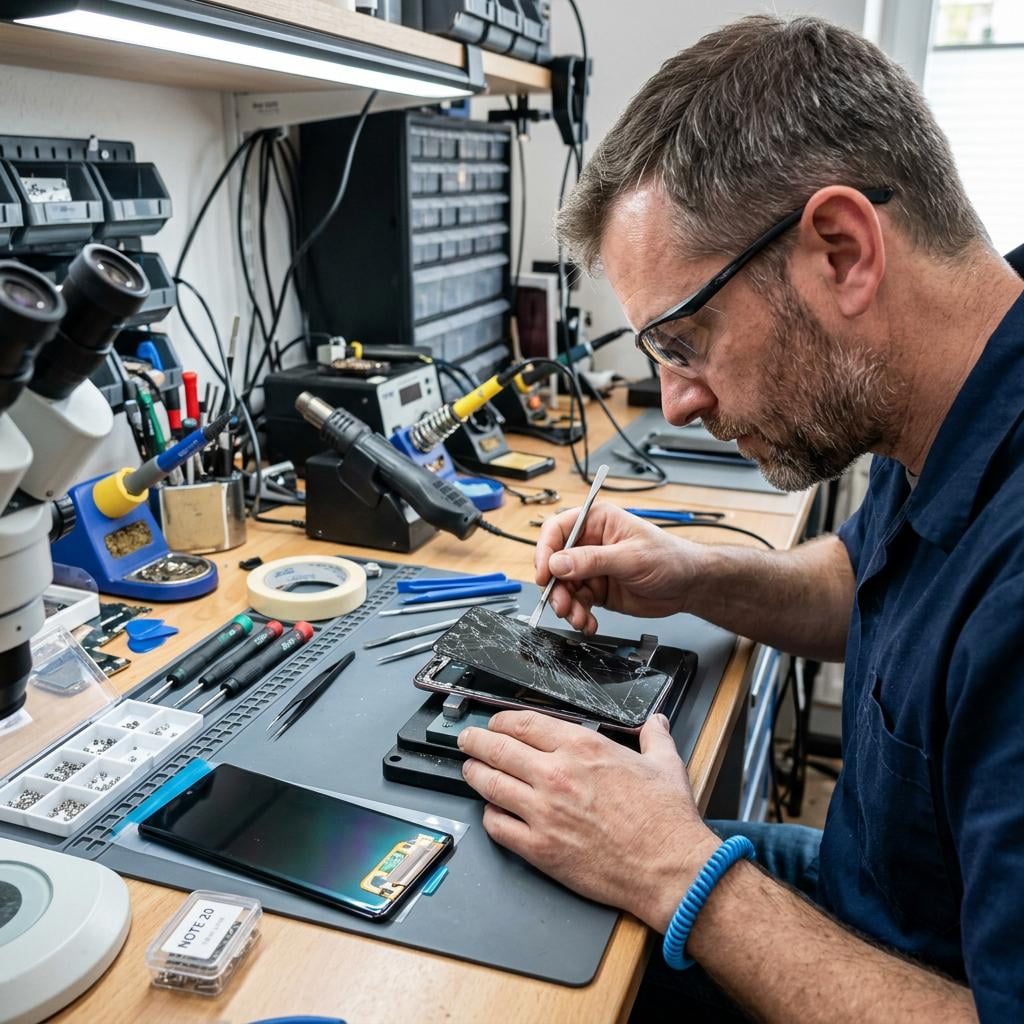
Brussels: A quiet legal deadline on 31 July 2026 handed European shoppers something they have wanted for years. The bloc’s Directive on the repair of goods became national law across member states, and it hands consumers a firmer right to repair the products they own rather than bin them. The shift sounds modest, yet it reworks the economics of everyday purchases and lands a real blow against throwaway culture.
The directive changes default behaviour in two ways. During a warranty, sellers must now favour repair over replacement whenever fixing costs the same or less, which removes the old reflex of swapping a faulty item for a new one. Beyond the warranty, makers of goods covered by repairability rules, from washing machines to phones, must offer repair at a reasonable price and supply spare parts and information to independent workshops. The Commission set out the consumer duties on its repair of goods page.
Why the rules bite
The measure attacks a familiar frustration. Manufacturers have long designed products that resist opening, glued in batteries, and priced spare parts so high that repair made no sense. Consumers then bought replacements, and mountains of usable electronics became waste. By forcing makers to keep parts flowing and to publish repair information, the law strips away the tactics that pushed people toward the checkout.
The environmental logic is straightforward. Every extended device delays a new purchase, and each avoided purchase saves the raw materials, energy and emissions locked into manufacturing. Independent repairers stand to gain the most, because the directive breaks the monopoly that brands held over their own products. A wider repair market means lower prices, more local jobs and less reliance on imported goods.
The gap between law and habit
Rules on paper do not change behaviour overnight, and the directive faces real limits. It covers a defined list of product categories rather than everything on the shelf, so many goods still fall outside its reach. Enforcement depends on national authorities that vary widely in appetite and resources. And a right to repair means little if the nearest workshop sits far away or charges more than a shiny replacement tempts shoppers to spend.
Price remains the decisive test. Consumers will repair when the sums favour it, and the law tilts those sums without dictating them. If spare parts stay costly or repairs drag on for weeks, the old habit of replacing will survive despite the new right. The directive’s success therefore rests on whether a healthy repair economy actually grows around it, with enough technicians, parts and price competition to make fixing the obvious choice.
Still, the direction of travel is clear. Europe has spent a decade nudging its circular economy from slogan to statute, and the right to repair marks one of the most tangible steps yet. It gives citizens a concrete power they can use, a repairman they can call, and a reason to think twice before discarding what still works. Whether that reshapes a continent of consumers will show up slowly, in the quiet accumulation of devices that live a little longer.