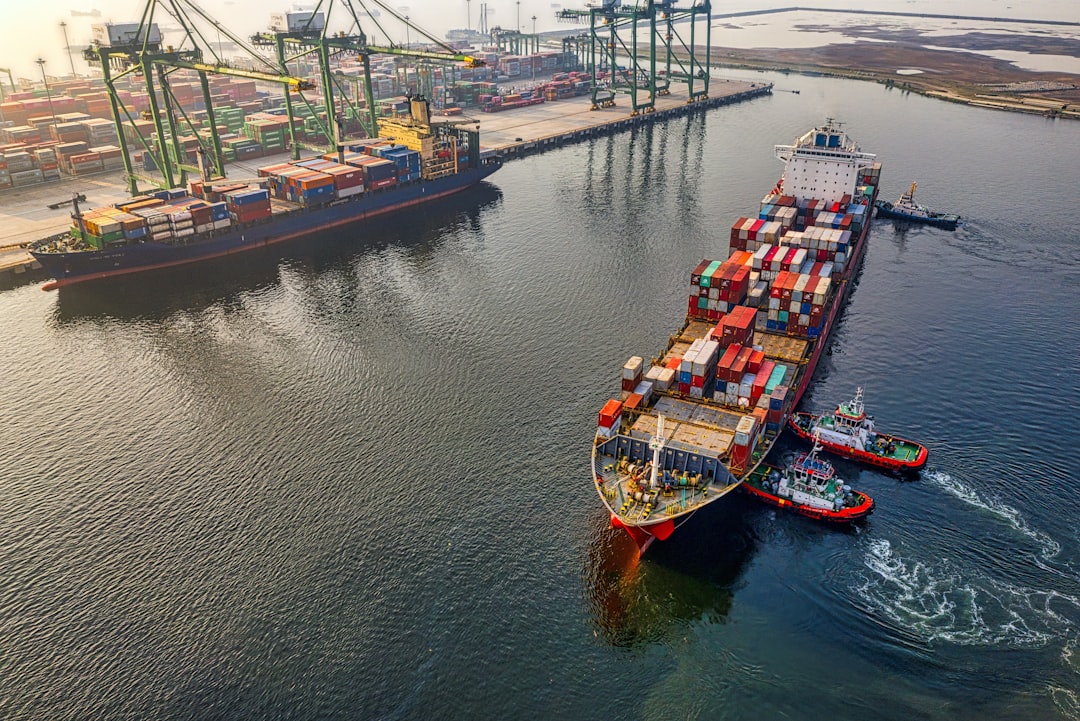
The European Union’s interim trade agreement with the Mercosur bloc began applying provisionally on 1 May 2026, ending a negotiating saga that stretched across a quarter of a century. The arrival is consequential, but the early weeks have already shown that ratification on paper and acceptance in practice are different matters. Even as duties fell on the first day, Brussels was simultaneously tightening the screws on Mercosur’s largest economy over food safety, a juxtaposition that captures the deal’s central tension.
The commercial logic for European exporters is straightforward. Duties on EU electric and hybrid vehicles shipped to Mercosur markets dropped immediately from 35 to 25 percent, with combustion-engine cars cut from 35 to 17.5 percent. Textile tariffs, also at 35 percent, began an eight-year glide toward zero, while machinery duties of 14 to 20 percent will be dismantled for the bulk of exports over a decade. For European industrial sectors facing soft domestic demand and intensifying competition elsewhere, preferential access to a market of more than 260 million consumers is a rare piece of good news.
The politics, however, were never about industry. They were about agriculture, and that is where the agreement remains most exposed. European farmers have long argued that South American producers operate under looser environmental and animal-welfare rules, and that tariff-free access would import not just cheaper goods but a structural competitive disadvantage. Brussels has answered with a safeguard architecture that allows it to suspend tariff preferences on agricultural imports if a surge harms EU producers, building on existing tools but with faster triggers and simpler procedures. Whether those mechanisms reassure farmers or merely postpone confrontation is the open question of the agreement’s first year.
The point was sharpened almost immediately. In May, the Union suspended imports of several Brazilian animal products, including beef, poultry, eggs and aquaculture goods, after concluding that Brazil no longer met EU antimicrobial standards for food-producing animals. Brazil became the first country struck from the list of states authorised under the bloc’s antimicrobial rules. Officials framed the move as part of a wider campaign against antimicrobial resistance, and on its own terms the public-health rationale is defensible. But the timing, days into a trade agreement built on opening European markets to South American producers, was impossible to ignore.
That sequencing illuminates how the EU intends to manage the deal. The agreement liberalises trade while the Union reserves, and is willing to use, a battery of regulatory instruments that operate independently of tariff schedules. Standards on antimicrobials, deforestation, and animal welfare function as a second layer of trade governance, one that can restrict imports on grounds that are formally about safety or sustainability rather than protectionism. For European farmers anxious about competition, this regulatory leverage may prove more reassuring than the tariff safeguards themselves. For Mercosur exporters, it signals that market access secured by treaty can still be narrowed by directive.
The strategic stakes extend beyond the two blocs. With global trade fracturing into rival camps and major economies turning toward tariffs and industrial subsidies, the agreement is a wager that rules-based liberalisation still has a constituency. It hands the EU a partnership across the Atlantic at a moment when reliable partners are scarce, and gives Mercosur a counterweight to its dependence on a small number of large buyers. If the safeguard and standards machinery can be operated without descending into recurrent disputes, the deal becomes a template for trade in an age of contested supply chains.
That is a substantial if. The provisional application buys time but settles little. The coming year will test whether Europe can hold open its market while enforcing its standards, and whether Mercosur reads the antimicrobial suspension as legitimate regulation or as protectionism in a sanitary disguise. The tariffs have fallen. The harder negotiation, over what the agreement actually permits to cross the border, has only begun.