August 10, 2026
LATEST
Five Joint Defence Projects Launch Europe’s Military ShieldElectrification Plan Aims to Make Europe First Electro ContinentHorizon Europe Budget Fight Heats Up as Ministers Push BackGoogle’s DMA Fine Sets Off a Transatlantic Tariff ClashTwenty New University Alliances Join Erasmus for Two YearsForeign Subsidies Case Puts Temu in the EU’s SightsVan Tachographs Now Mandatory for Cross-Border FleetsStress Test Exposes Gaps in Euro Area Bank DefencesEurope Bets on a Gulf Partnership Before the Riyadh SummitWhy the Atlantic Route Now Runs Through MauritaniaKyiv and Chisinau Advance as the EU Accession Talks Gather PaceEurope’s New Digital Border System Beds In After a Rocky RolloutBrussels Mounts Its Largest Wildfire Response as the Fires SpreadRetail Spending Slipped in June, Wrong-Footing EconomistsHeatwave Warning Puts Brussels on Alert for Vulnerable GroupsKANAL’s 230 Million Euro Museum Sets a November Opening DatePension Savings Rules Get a Reset as the EU Scraps the 1% CapMedicine Shortages Move to the Heart of Europe’s Pharma ResetJapan Becomes Europe’s Closest Security Partner in AsiaCan Europe’s New Zealand Deal Anchor It in the Pacific?Five Joint Defence Projects Launch Europe’s Military ShieldElectrification Plan Aims to Make Europe First Electro ContinentHorizon Europe Budget Fight Heats Up as Ministers Push BackGoogle’s DMA Fine Sets Off a Transatlantic Tariff ClashTwenty New University Alliances Join Erasmus for Two YearsForeign Subsidies Case Puts Temu in the EU’s SightsVan Tachographs Now Mandatory for Cross-Border FleetsStress Test Exposes Gaps in Euro Area Bank DefencesEurope Bets on a Gulf Partnership Before the Riyadh SummitWhy the Atlantic Route Now Runs Through MauritaniaKyiv and Chisinau Advance as the EU Accession Talks Gather PaceEurope’s New Digital Border System Beds In After a Rocky RolloutBrussels Mounts Its Largest Wildfire Response as the Fires SpreadRetail Spending Slipped in June, Wrong-Footing EconomistsHeatwave Warning Puts Brussels on Alert for Vulnerable GroupsKANAL’s 230 Million Euro Museum Sets a November Opening DatePension Savings Rules Get a Reset as the EU Scraps the 1% CapMedicine Shortages Move to the Heart of Europe’s Pharma ResetJapan Becomes Europe’s Closest Security Partner in AsiaCan Europe’s New Zealand Deal Anchor It in the Pacific?
August 10, 2026
LATEST
Five Joint Defence Projects Launch Europe’s Military ShieldElectrification Plan Aims to Make Europe First Electro ContinentHorizon Europe Budget Fight Heats Up as Ministers Push BackGoogle’s DMA Fine Sets Off a Transatlantic Tariff ClashTwenty New University Alliances Join Erasmus for Two YearsForeign Subsidies Case Puts Temu in the EU’s SightsVan Tachographs Now Mandatory for Cross-Border FleetsStress Test Exposes Gaps in Euro Area Bank DefencesEurope Bets on a Gulf Partnership Before the Riyadh SummitWhy the Atlantic Route Now Runs Through MauritaniaKyiv and Chisinau Advance as the EU Accession Talks Gather PaceEurope’s New Digital Border System Beds In After a Rocky RolloutBrussels Mounts Its Largest Wildfire Response as the Fires SpreadRetail Spending Slipped in June, Wrong-Footing EconomistsHeatwave Warning Puts Brussels on Alert for Vulnerable GroupsKANAL’s 230 Million Euro Museum Sets a November Opening DatePension Savings Rules Get a Reset as the EU Scraps the 1% CapMedicine Shortages Move to the Heart of Europe’s Pharma ResetJapan Becomes Europe’s Closest Security Partner in AsiaCan Europe’s New Zealand Deal Anchor It in the Pacific?Five Joint Defence Projects Launch Europe’s Military ShieldElectrification Plan Aims to Make Europe First Electro ContinentHorizon Europe Budget Fight Heats Up as Ministers Push BackGoogle’s DMA Fine Sets Off a Transatlantic Tariff ClashTwenty New University Alliances Join Erasmus for Two YearsForeign Subsidies Case Puts Temu in the EU’s SightsVan Tachographs Now Mandatory for Cross-Border FleetsStress Test Exposes Gaps in Euro Area Bank DefencesEurope Bets on a Gulf Partnership Before the Riyadh SummitWhy the Atlantic Route Now Runs Through MauritaniaKyiv and Chisinau Advance as the EU Accession Talks Gather PaceEurope’s New Digital Border System Beds In After a Rocky RolloutBrussels Mounts Its Largest Wildfire Response as the Fires SpreadRetail Spending Slipped in June, Wrong-Footing EconomistsHeatwave Warning Puts Brussels on Alert for Vulnerable GroupsKANAL’s 230 Million Euro Museum Sets a November Opening DatePension Savings Rules Get a Reset as the EU Scraps the 1% CapMedicine Shortages Move to the Heart of Europe’s Pharma ResetJapan Becomes Europe’s Closest Security Partner in AsiaCan Europe’s New Zealand Deal Anchor It in the Pacific?

Critical Medicines Act Aims to End EU Drug Shortages

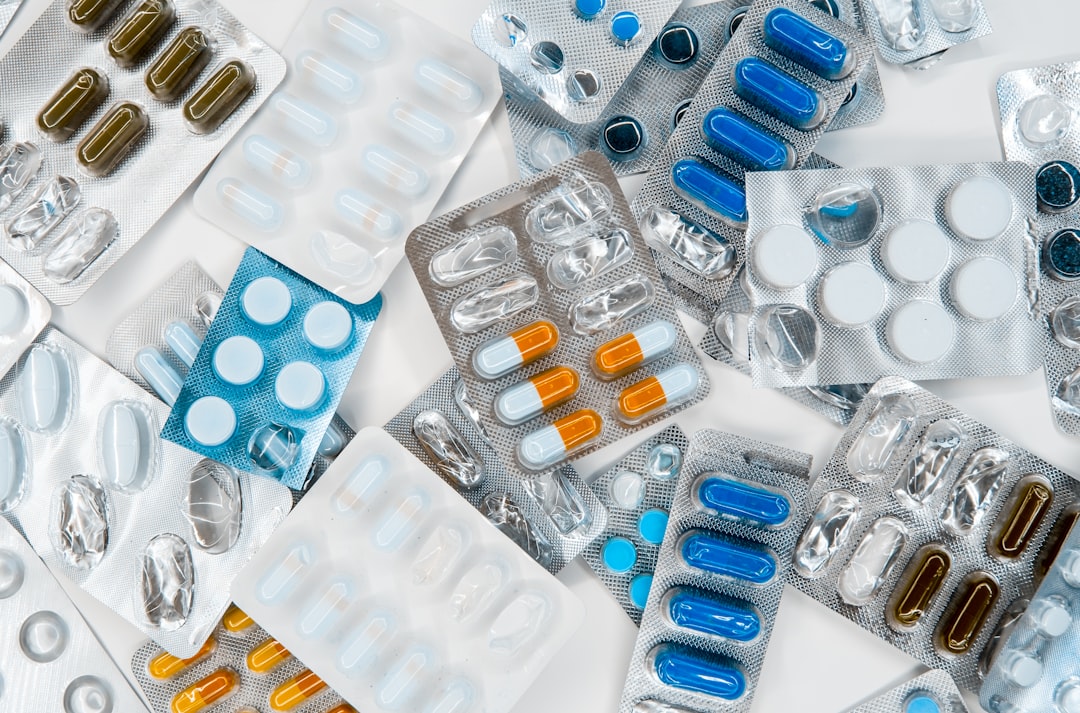
The EU Critical Medicines Act has cleared a decisive hurdle, with the Council and Parliament reaching a provisional deal aimed at ending chronic shortages of antibiotics, insulin and painkillers. Negotiated under the Cyprus presidency, the regulation tries to pull pharmaceutical production back toward Europe after years of dependence on suppliers in India and China. For a bloc rattled by empty pharmacy shelves, it is a bet on strategic autonomy in medicine.

## What the Critical Medicines Act sets out to do
The regulation, first proposed by the Commission in March 2025, targets the supply chain rather than the prescription pad. Its central aim is to make essential medicines available even when global supply is disrupted by pandemics, disasters or trade shocks.

The Critical Medicines Act rests on three pillars:

– Diversifying supply chains so no single country dominates a given drug
– Making it easier for member states to procure critical medicines jointly
– Strengthening EU manufacturing capacity for medicines and their active ingredients

To push production homeward, governments will have to apply mandatory resilience requirements in public procurement, and may use flexible “EU preference” measures that reward suppliers based on how much of a medicine is made within the bloc.

## Why Europe’s medicine supply became so fragile
The vulnerability is structural. A Commission study found that more than half of recent critical-medicine shortages stemmed from manufacturing problems, made worse by heavy reliance on active pharmaceutical ingredients sourced from India and China.

When a single overseas plant falters, the shock ripples across the continent. The pandemic exposed how thin those margins were, and shortages of common antibiotics in the years since kept the issue politically alive.

### A lower bar for joint action
One technical change carries real weight. Co-legislators cut the number of member states needed to request Commission-led joint procurement from nine to five, making it far easier for smaller countries to pool purchasing power during a crisis.

Strategic autonomy is not free. “Buy European” requirements could raise procurement costs, and critics warn that favouring domestic production risks higher prices for health systems already under strain.

There are concerns beyond Europe too. Analysts have flagged that steering EU demand toward local manufacturing could tighten global supply and affect access in lower-income regions, including parts of Africa that depend on the same producers.

Supporters counter that resilience is worth the premium, and that a continent unable to make its own antibiotics has no real health security.

The agreed text still needs formal endorsement by both the Council and Parliament and is expected to be published in the Official Journal toward the end of 2026.

Whether the Critical Medicines Act actually empties the shortage lists will depend on how aggressively capitals use its new procurement powers.

The deal pushes medicine production back toward Europe, lowers the bar for joint buying, and accepts higher costs as the price of supply security. The hard part, turning the regulation into real manufacturing, is only beginning.