August 10, 2026
LATEST
Five Joint Defence Projects Launch Europe’s Military ShieldElectrification Plan Aims to Make Europe First Electro ContinentHorizon Europe Budget Fight Heats Up as Ministers Push BackGoogle’s DMA Fine Sets Off a Transatlantic Tariff ClashTwenty New University Alliances Join Erasmus for Two YearsForeign Subsidies Case Puts Temu in the EU’s SightsVan Tachographs Now Mandatory for Cross-Border FleetsStress Test Exposes Gaps in Euro Area Bank DefencesEurope Bets on a Gulf Partnership Before the Riyadh SummitWhy the Atlantic Route Now Runs Through MauritaniaKyiv and Chisinau Advance as the EU Accession Talks Gather PaceEurope’s New Digital Border System Beds In After a Rocky RolloutBrussels Mounts Its Largest Wildfire Response as the Fires SpreadRetail Spending Slipped in June, Wrong-Footing EconomistsHeatwave Warning Puts Brussels on Alert for Vulnerable GroupsKANAL’s 230 Million Euro Museum Sets a November Opening DatePension Savings Rules Get a Reset as the EU Scraps the 1% CapMedicine Shortages Move to the Heart of Europe’s Pharma ResetJapan Becomes Europe’s Closest Security Partner in AsiaCan Europe’s New Zealand Deal Anchor It in the Pacific?Five Joint Defence Projects Launch Europe’s Military ShieldElectrification Plan Aims to Make Europe First Electro ContinentHorizon Europe Budget Fight Heats Up as Ministers Push BackGoogle’s DMA Fine Sets Off a Transatlantic Tariff ClashTwenty New University Alliances Join Erasmus for Two YearsForeign Subsidies Case Puts Temu in the EU’s SightsVan Tachographs Now Mandatory for Cross-Border FleetsStress Test Exposes Gaps in Euro Area Bank DefencesEurope Bets on a Gulf Partnership Before the Riyadh SummitWhy the Atlantic Route Now Runs Through MauritaniaKyiv and Chisinau Advance as the EU Accession Talks Gather PaceEurope’s New Digital Border System Beds In After a Rocky RolloutBrussels Mounts Its Largest Wildfire Response as the Fires SpreadRetail Spending Slipped in June, Wrong-Footing EconomistsHeatwave Warning Puts Brussels on Alert for Vulnerable GroupsKANAL’s 230 Million Euro Museum Sets a November Opening DatePension Savings Rules Get a Reset as the EU Scraps the 1% CapMedicine Shortages Move to the Heart of Europe’s Pharma ResetJapan Becomes Europe’s Closest Security Partner in AsiaCan Europe’s New Zealand Deal Anchor It in the Pacific?
August 10, 2026
LATEST
Five Joint Defence Projects Launch Europe’s Military ShieldElectrification Plan Aims to Make Europe First Electro ContinentHorizon Europe Budget Fight Heats Up as Ministers Push BackGoogle’s DMA Fine Sets Off a Transatlantic Tariff ClashTwenty New University Alliances Join Erasmus for Two YearsForeign Subsidies Case Puts Temu in the EU’s SightsVan Tachographs Now Mandatory for Cross-Border FleetsStress Test Exposes Gaps in Euro Area Bank DefencesEurope Bets on a Gulf Partnership Before the Riyadh SummitWhy the Atlantic Route Now Runs Through MauritaniaKyiv and Chisinau Advance as the EU Accession Talks Gather PaceEurope’s New Digital Border System Beds In After a Rocky RolloutBrussels Mounts Its Largest Wildfire Response as the Fires SpreadRetail Spending Slipped in June, Wrong-Footing EconomistsHeatwave Warning Puts Brussels on Alert for Vulnerable GroupsKANAL’s 230 Million Euro Museum Sets a November Opening DatePension Savings Rules Get a Reset as the EU Scraps the 1% CapMedicine Shortages Move to the Heart of Europe’s Pharma ResetJapan Becomes Europe’s Closest Security Partner in AsiaCan Europe’s New Zealand Deal Anchor It in the Pacific?Five Joint Defence Projects Launch Europe’s Military ShieldElectrification Plan Aims to Make Europe First Electro ContinentHorizon Europe Budget Fight Heats Up as Ministers Push BackGoogle’s DMA Fine Sets Off a Transatlantic Tariff ClashTwenty New University Alliances Join Erasmus for Two YearsForeign Subsidies Case Puts Temu in the EU’s SightsVan Tachographs Now Mandatory for Cross-Border FleetsStress Test Exposes Gaps in Euro Area Bank DefencesEurope Bets on a Gulf Partnership Before the Riyadh SummitWhy the Atlantic Route Now Runs Through MauritaniaKyiv and Chisinau Advance as the EU Accession Talks Gather PaceEurope’s New Digital Border System Beds In After a Rocky RolloutBrussels Mounts Its Largest Wildfire Response as the Fires SpreadRetail Spending Slipped in June, Wrong-Footing EconomistsHeatwave Warning Puts Brussels on Alert for Vulnerable GroupsKANAL’s 230 Million Euro Museum Sets a November Opening DatePension Savings Rules Get a Reset as the EU Scraps the 1% CapMedicine Shortages Move to the Heart of Europe’s Pharma ResetJapan Becomes Europe’s Closest Security Partner in AsiaCan Europe’s New Zealand Deal Anchor It in the Pacific?

OLAF Sweep Strips Thousands of Fake Truck Parts From EU Roads

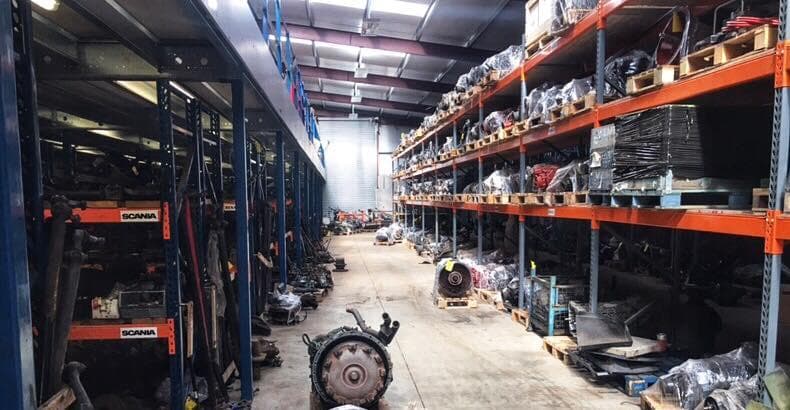
Lisbon: The counterfeit problem that worries Europe’s anti-fraud investigators most is rarely the handbag or the fake watch. It is the brake pad, the suspension joint, the engine component that looks convincing, costs a fraction of the original and fails at exactly the wrong moment. An operation made public in early June showed how close that risk can come to the road. Acting on intelligence supplied by the European Anti-Fraud Office, Portugal’s Food and Economic Security Authority searched premises in Vila Nova de Gaia, Leiria and the capital and seized 14,629 counterfeit truck parts worth more than 600,000 euros. The components carried the badges of well-known truck brands but had in fact been manufactured illegally in Turkiye.

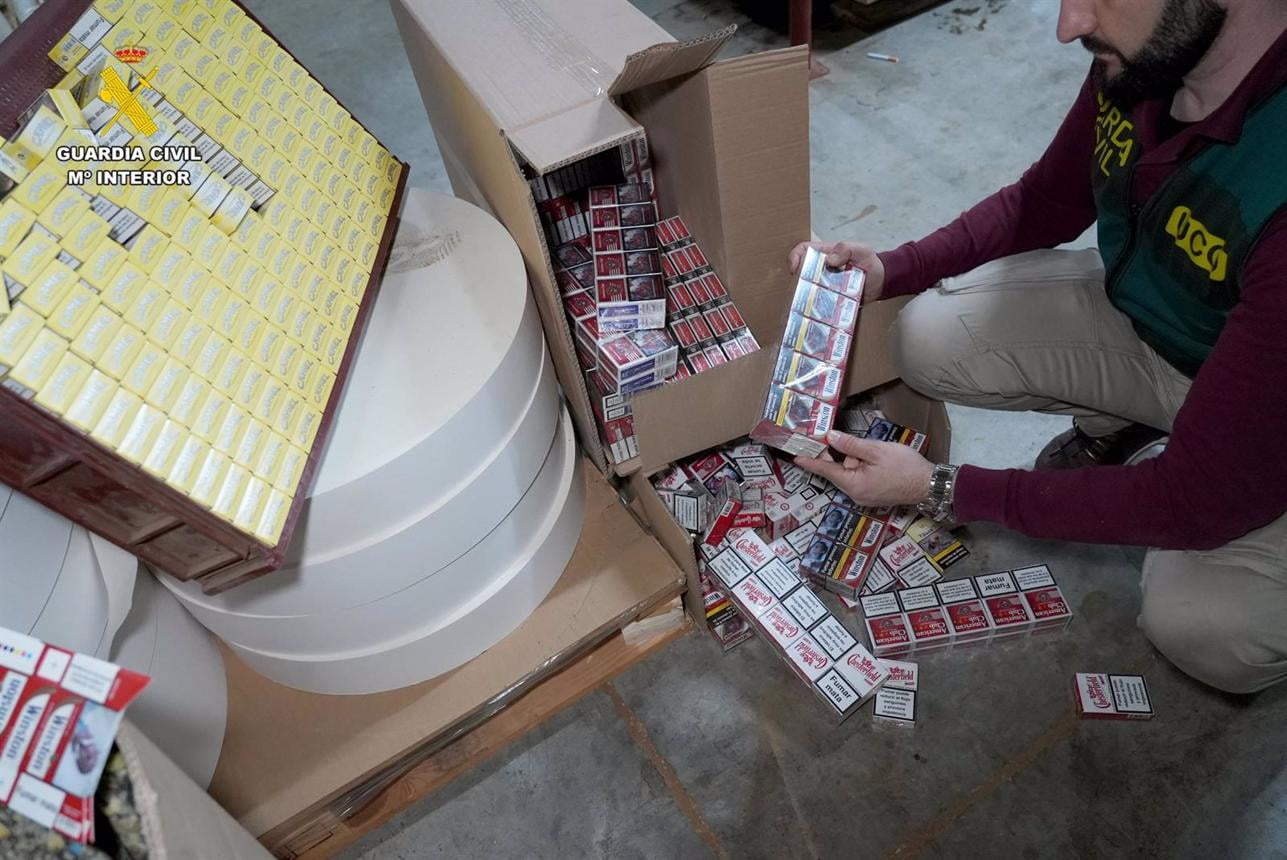
The seizure is modest in monetary terms and unusually serious in its implications. Investigators noted that any single fake part, once fitted, could have caused a heavy vehicle to fail and triggered a crash. OLAF’s role was the one it increasingly plays across the single market. It does not make arrests, but it gathers and cross-checks information, coordinates between national customs and enforcement bodies, and connects them with the brand owners whose intellectual property and safety reputation are being exploited. The Portugal case fits a run of recent OLAF-led actions, from nearly eleven million counterfeit toys intercepted with French customs to millions of fake pills taken off the market in a pan-European operation.

The pattern matters because counterfeiting is no longer a discrete nuisance but a structural pressure on the customs union. Fakes enter through whichever member state offers the path of least resistance, then circulate freely; a weakness at one external border becomes everyone’s problem. That is why OLAF’s annual accounting is watched closely. Its 2025 report recommended the recovery of 597 million euros to the EU budget and flagged that over the past decade the office has helped retrieve or protect some 6.8 billion euros. Behind those totals sit hundreds of cases involving procurement manipulation, inflated costs, conflicts of interest and the steady circumvention of sanctions against Russia and Belarus.

What the truck-parts case underlines is the gap between recovery figures and physical risk. Money lost to fraud can, in principle, be clawed back; a counterfeit safety-critical part that reaches a workshop cannot be un-installed once a lorry is on the motorway. Enforcement officials argue that the answer lies in better data-sharing between customs authorities, faster alerts to brand owners and tougher scrutiny of imports routed through third countries to disguise their origin.

The immediate questions now fall to Lisbon. Portuguese authorities must trace the distribution network that placed the parts in legitimate-looking supply chains and identify the importers who declared them. For OLAF, the value of the operation is partly preventive. Whether each public seizure deters the trade, or simply pushes it to a quieter entry point, will be measured in the seizures still to come.