August 10, 2026
LATEST
Five Joint Defence Projects Launch Europe’s Military ShieldElectrification Plan Aims to Make Europe First Electro ContinentHorizon Europe Budget Fight Heats Up as Ministers Push BackGoogle’s DMA Fine Sets Off a Transatlantic Tariff ClashTwenty New University Alliances Join Erasmus for Two YearsForeign Subsidies Case Puts Temu in the EU’s SightsVan Tachographs Now Mandatory for Cross-Border FleetsStress Test Exposes Gaps in Euro Area Bank DefencesEurope Bets on a Gulf Partnership Before the Riyadh SummitWhy the Atlantic Route Now Runs Through MauritaniaKyiv and Chisinau Advance as the EU Accession Talks Gather PaceEurope’s New Digital Border System Beds In After a Rocky RolloutBrussels Mounts Its Largest Wildfire Response as the Fires SpreadRetail Spending Slipped in June, Wrong-Footing EconomistsHeatwave Warning Puts Brussels on Alert for Vulnerable GroupsKANAL’s 230 Million Euro Museum Sets a November Opening DatePension Savings Rules Get a Reset as the EU Scraps the 1% CapMedicine Shortages Move to the Heart of Europe’s Pharma ResetJapan Becomes Europe’s Closest Security Partner in AsiaCan Europe’s New Zealand Deal Anchor It in the Pacific?Five Joint Defence Projects Launch Europe’s Military ShieldElectrification Plan Aims to Make Europe First Electro ContinentHorizon Europe Budget Fight Heats Up as Ministers Push BackGoogle’s DMA Fine Sets Off a Transatlantic Tariff ClashTwenty New University Alliances Join Erasmus for Two YearsForeign Subsidies Case Puts Temu in the EU’s SightsVan Tachographs Now Mandatory for Cross-Border FleetsStress Test Exposes Gaps in Euro Area Bank DefencesEurope Bets on a Gulf Partnership Before the Riyadh SummitWhy the Atlantic Route Now Runs Through MauritaniaKyiv and Chisinau Advance as the EU Accession Talks Gather PaceEurope’s New Digital Border System Beds In After a Rocky RolloutBrussels Mounts Its Largest Wildfire Response as the Fires SpreadRetail Spending Slipped in June, Wrong-Footing EconomistsHeatwave Warning Puts Brussels on Alert for Vulnerable GroupsKANAL’s 230 Million Euro Museum Sets a November Opening DatePension Savings Rules Get a Reset as the EU Scraps the 1% CapMedicine Shortages Move to the Heart of Europe’s Pharma ResetJapan Becomes Europe’s Closest Security Partner in AsiaCan Europe’s New Zealand Deal Anchor It in the Pacific?
August 10, 2026
LATEST
Five Joint Defence Projects Launch Europe’s Military ShieldElectrification Plan Aims to Make Europe First Electro ContinentHorizon Europe Budget Fight Heats Up as Ministers Push BackGoogle’s DMA Fine Sets Off a Transatlantic Tariff ClashTwenty New University Alliances Join Erasmus for Two YearsForeign Subsidies Case Puts Temu in the EU’s SightsVan Tachographs Now Mandatory for Cross-Border FleetsStress Test Exposes Gaps in Euro Area Bank DefencesEurope Bets on a Gulf Partnership Before the Riyadh SummitWhy the Atlantic Route Now Runs Through MauritaniaKyiv and Chisinau Advance as the EU Accession Talks Gather PaceEurope’s New Digital Border System Beds In After a Rocky RolloutBrussels Mounts Its Largest Wildfire Response as the Fires SpreadRetail Spending Slipped in June, Wrong-Footing EconomistsHeatwave Warning Puts Brussels on Alert for Vulnerable GroupsKANAL’s 230 Million Euro Museum Sets a November Opening DatePension Savings Rules Get a Reset as the EU Scraps the 1% CapMedicine Shortages Move to the Heart of Europe’s Pharma ResetJapan Becomes Europe’s Closest Security Partner in AsiaCan Europe’s New Zealand Deal Anchor It in the Pacific?Five Joint Defence Projects Launch Europe’s Military ShieldElectrification Plan Aims to Make Europe First Electro ContinentHorizon Europe Budget Fight Heats Up as Ministers Push BackGoogle’s DMA Fine Sets Off a Transatlantic Tariff ClashTwenty New University Alliances Join Erasmus for Two YearsForeign Subsidies Case Puts Temu in the EU’s SightsVan Tachographs Now Mandatory for Cross-Border FleetsStress Test Exposes Gaps in Euro Area Bank DefencesEurope Bets on a Gulf Partnership Before the Riyadh SummitWhy the Atlantic Route Now Runs Through MauritaniaKyiv and Chisinau Advance as the EU Accession Talks Gather PaceEurope’s New Digital Border System Beds In After a Rocky RolloutBrussels Mounts Its Largest Wildfire Response as the Fires SpreadRetail Spending Slipped in June, Wrong-Footing EconomistsHeatwave Warning Puts Brussels on Alert for Vulnerable GroupsKANAL’s 230 Million Euro Museum Sets a November Opening DatePension Savings Rules Get a Reset as the EU Scraps the 1% CapMedicine Shortages Move to the Heart of Europe’s Pharma ResetJapan Becomes Europe’s Closest Security Partner in AsiaCan Europe’s New Zealand Deal Anchor It in the Pacific?

Repair Rules Force Makers to Keep Europe’s Gadgets Running Longer

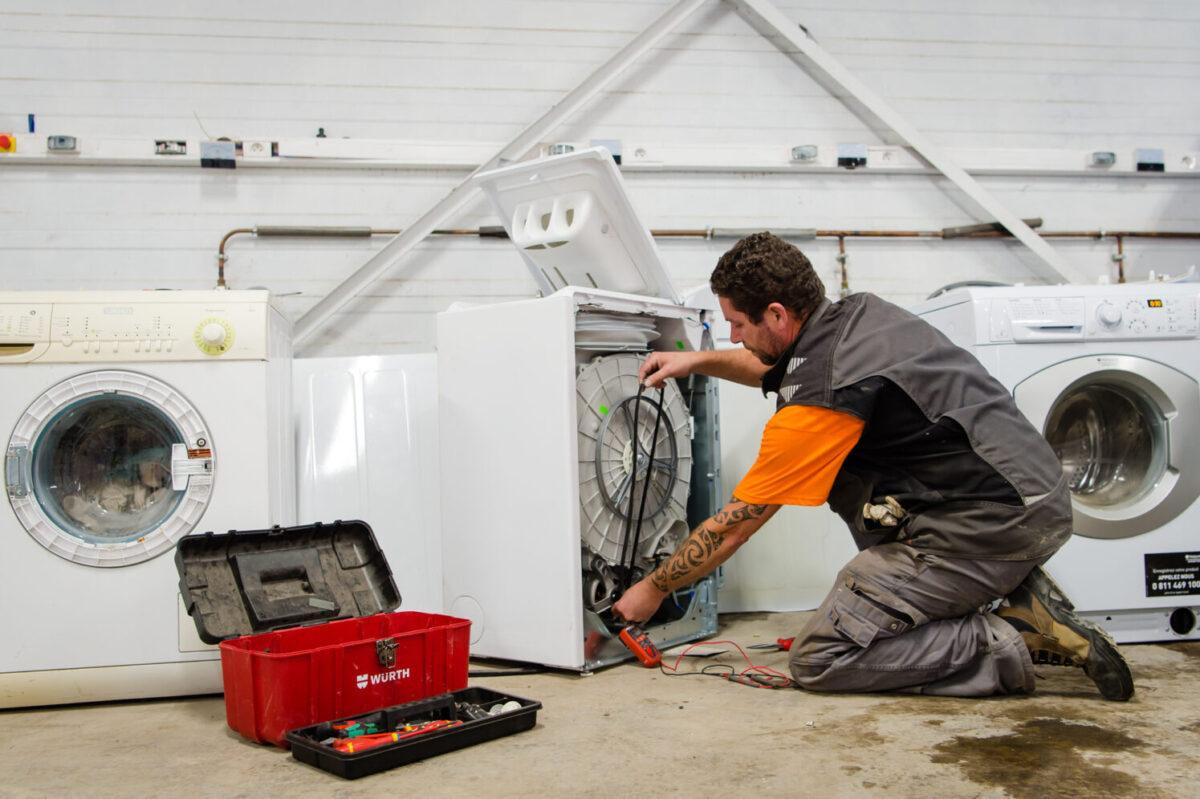
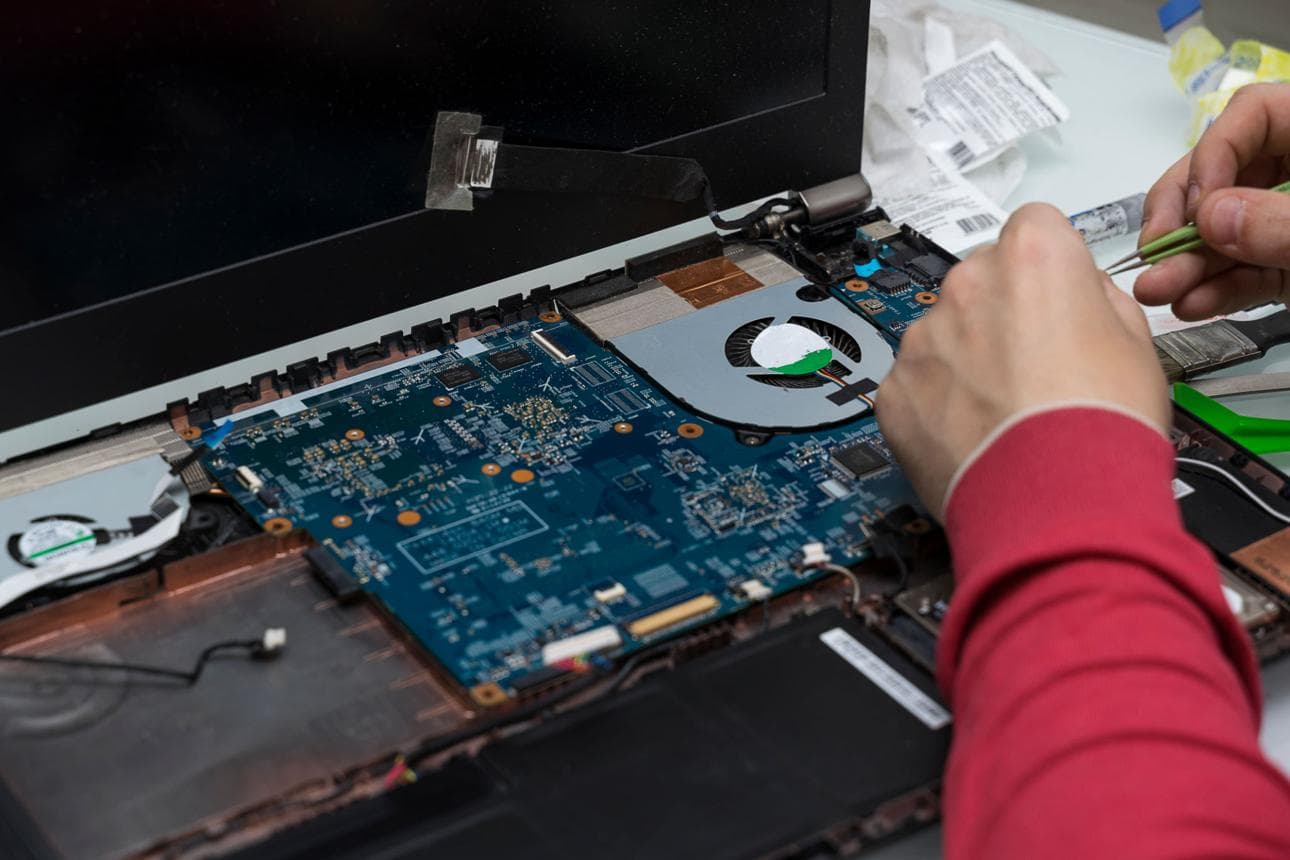
Milan: The throwaway economy, so ingrained that a cracked screen or a dead motor is treated as a reason to buy anew rather than to mend, is facing its most direct legislative challenge yet. By the end of July, member states must have written the Repair Directive into national law, and with that deadline a cluster of measures designed to keep manufactured goods in use rather than in landfill moves from ambition to obligation. The directive requires producers to repair eligible goods within a reasonable time and at a reasonable price, and it is meant to make repair a genuine option rather than a theoretical right undermined by cost and inconvenience.

The logic is both environmental and economic. Every device repaired instead of replaced avoids the emissions and raw-material extraction embedded in manufacturing a new one, and it spares the waste stream a further carcass of plastic and metal. For consumers, the promise is relief from a familiar trap, in which repair quotes arrive suspiciously close to the price of a replacement and spare parts prove impossible to source. The directive attacks that trap by pressing manufacturers to make parts and information available and by discouraging the contractual and technical barriers that have long steered buyers toward the shop floor rather than the repair bench.

Repair is only one strand of a broader circular agenda converging this summer. The Packaging and Packaging Waste Regulation, which formally entered into force last year, begins to apply in August, introducing rules to curb packaging waste, promote reuse and reduce reliance on virgin materials. The Ecodesign for Sustainable Products Regulation, the framework meant to build durability, reparability and recyclability into goods from the drawing board onward, is steadily being populated with product-specific requirements. And a Circular Economy Act, due for adoption this year, aims to knit these strands together by creating a genuine single market for secondary raw materials, so that recycled content can flow across borders as readily as the primary commodities it is meant to displace.

The common thread is a shift in where responsibility sits. For decades the burden of a product’s afterlife fell on the consumer and the municipal waste collector, while the manufacturer’s interest ended at the sale. The emerging body of law tries to extend that interest across the full life of a product, obliging producers to design for longevity and to remain implicated in what happens when a good breaks. It is a quiet but profound reallocation of accountability, and industry has met it with a mixture of grudging adaptation and warnings about compliance costs.

Whether the reforms deliver depends on details that will be settled nationally. A right to repair means little if repair remains slower and dearer than replacement, and the phrase reasonable price will be tested in practice long before it is tested in court. The market for independent repairers, starved by years of restricted access to parts and diagnostic tools, cannot rebuild overnight. And the single market for recycled materials the Circular Economy Act envisions will require harmonised standards that do not yet fully exist.

The stakes reach beyond waste statistics. Europe imports the bulk of the raw materials its industry consumes, and a circular economy is, among other things, a strategy for reducing that dependence by treating the continent’s existing stock of goods as a resource to be mined rather than discarded. The repair deadline this month is a modest first act, but it signals that the Union intends to make longevity a legal expectation rather than a marketing slogan.