August 10, 2026
LATEST
Five Joint Defence Projects Launch Europe’s Military ShieldElectrification Plan Aims to Make Europe First Electro ContinentHorizon Europe Budget Fight Heats Up as Ministers Push BackGoogle’s DMA Fine Sets Off a Transatlantic Tariff ClashTwenty New University Alliances Join Erasmus for Two YearsForeign Subsidies Case Puts Temu in the EU’s SightsVan Tachographs Now Mandatory for Cross-Border FleetsStress Test Exposes Gaps in Euro Area Bank DefencesEurope Bets on a Gulf Partnership Before the Riyadh SummitWhy the Atlantic Route Now Runs Through MauritaniaKyiv and Chisinau Advance as the EU Accession Talks Gather PaceEurope’s New Digital Border System Beds In After a Rocky RolloutBrussels Mounts Its Largest Wildfire Response as the Fires SpreadRetail Spending Slipped in June, Wrong-Footing EconomistsHeatwave Warning Puts Brussels on Alert for Vulnerable GroupsKANAL’s 230 Million Euro Museum Sets a November Opening DatePension Savings Rules Get a Reset as the EU Scraps the 1% CapMedicine Shortages Move to the Heart of Europe’s Pharma ResetJapan Becomes Europe’s Closest Security Partner in AsiaCan Europe’s New Zealand Deal Anchor It in the Pacific?Five Joint Defence Projects Launch Europe’s Military ShieldElectrification Plan Aims to Make Europe First Electro ContinentHorizon Europe Budget Fight Heats Up as Ministers Push BackGoogle’s DMA Fine Sets Off a Transatlantic Tariff ClashTwenty New University Alliances Join Erasmus for Two YearsForeign Subsidies Case Puts Temu in the EU’s SightsVan Tachographs Now Mandatory for Cross-Border FleetsStress Test Exposes Gaps in Euro Area Bank DefencesEurope Bets on a Gulf Partnership Before the Riyadh SummitWhy the Atlantic Route Now Runs Through MauritaniaKyiv and Chisinau Advance as the EU Accession Talks Gather PaceEurope’s New Digital Border System Beds In After a Rocky RolloutBrussels Mounts Its Largest Wildfire Response as the Fires SpreadRetail Spending Slipped in June, Wrong-Footing EconomistsHeatwave Warning Puts Brussels on Alert for Vulnerable GroupsKANAL’s 230 Million Euro Museum Sets a November Opening DatePension Savings Rules Get a Reset as the EU Scraps the 1% CapMedicine Shortages Move to the Heart of Europe’s Pharma ResetJapan Becomes Europe’s Closest Security Partner in AsiaCan Europe’s New Zealand Deal Anchor It in the Pacific?
August 10, 2026
LATEST
Five Joint Defence Projects Launch Europe’s Military ShieldElectrification Plan Aims to Make Europe First Electro ContinentHorizon Europe Budget Fight Heats Up as Ministers Push BackGoogle’s DMA Fine Sets Off a Transatlantic Tariff ClashTwenty New University Alliances Join Erasmus for Two YearsForeign Subsidies Case Puts Temu in the EU’s SightsVan Tachographs Now Mandatory for Cross-Border FleetsStress Test Exposes Gaps in Euro Area Bank DefencesEurope Bets on a Gulf Partnership Before the Riyadh SummitWhy the Atlantic Route Now Runs Through MauritaniaKyiv and Chisinau Advance as the EU Accession Talks Gather PaceEurope’s New Digital Border System Beds In After a Rocky RolloutBrussels Mounts Its Largest Wildfire Response as the Fires SpreadRetail Spending Slipped in June, Wrong-Footing EconomistsHeatwave Warning Puts Brussels on Alert for Vulnerable GroupsKANAL’s 230 Million Euro Museum Sets a November Opening DatePension Savings Rules Get a Reset as the EU Scraps the 1% CapMedicine Shortages Move to the Heart of Europe’s Pharma ResetJapan Becomes Europe’s Closest Security Partner in AsiaCan Europe’s New Zealand Deal Anchor It in the Pacific?Five Joint Defence Projects Launch Europe’s Military ShieldElectrification Plan Aims to Make Europe First Electro ContinentHorizon Europe Budget Fight Heats Up as Ministers Push BackGoogle’s DMA Fine Sets Off a Transatlantic Tariff ClashTwenty New University Alliances Join Erasmus for Two YearsForeign Subsidies Case Puts Temu in the EU’s SightsVan Tachographs Now Mandatory for Cross-Border FleetsStress Test Exposes Gaps in Euro Area Bank DefencesEurope Bets on a Gulf Partnership Before the Riyadh SummitWhy the Atlantic Route Now Runs Through MauritaniaKyiv and Chisinau Advance as the EU Accession Talks Gather PaceEurope’s New Digital Border System Beds In After a Rocky RolloutBrussels Mounts Its Largest Wildfire Response as the Fires SpreadRetail Spending Slipped in June, Wrong-Footing EconomistsHeatwave Warning Puts Brussels on Alert for Vulnerable GroupsKANAL’s 230 Million Euro Museum Sets a November Opening DatePension Savings Rules Get a Reset as the EU Scraps the 1% CapMedicine Shortages Move to the Heart of Europe’s Pharma ResetJapan Becomes Europe’s Closest Security Partner in AsiaCan Europe’s New Zealand Deal Anchor It in the Pacific?

Frozen Billions Test Hungary’s Fragile Return to the European Fold

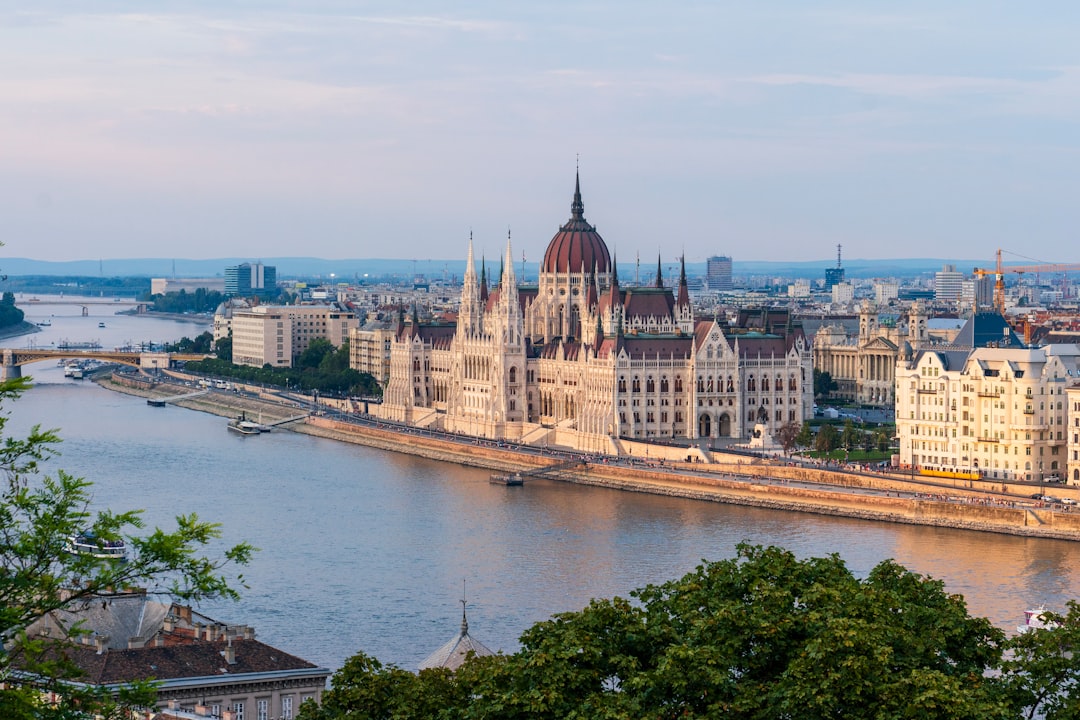
Budapest: For years the standoff between Hungary and the Union’s institutions had a settled, almost ritual quality: the Commission withheld funds over rule-of-law concerns, Budapest denounced the pressure, and neither side blinked. That choreography is now being tested by a change of government and a hard deadline, and the sums involved make the outcome matter well beyond Hungary’s borders.

Some 17 to 18 billion euros in cohesion and recovery money remain frozen, suspended under the conditionality mechanism the Commission triggered in 2022 and under the rule-of-law milestones attached to the post-pandemic recovery fund. The money was blocked over concerns about corruption, public procurement, judicial independence and the treatment of media and academic freedom. What has shifted is the political weather in Budapest, where a new prime minister has opened talks with the Commission president aimed at unlocking the funds, signalling a willingness to meet conditions the previous government spent years resisting.

The negotiation runs against the clock. Budapest has been told it must satisfy the outstanding conditions by the end of August, with the prospect that a first tranche of payments could arrive before the year is out if the reforms are judged credible. That timetable turns abstract benchmarks into concrete tests: whether laws on judicial appointments and anti-corruption bodies are not merely passed but implemented, and whether the changes survive contact with the institutions they are meant to reform.

The episode is being watched as a verdict on the Union’s central enforcement experiment. The conditionality mechanism was designed to give Brussels financial leverage where its older political tools had failed, and Hungary became its first and defining test case. Sceptics argued that the threat of lost funds would simply harden resistance, or that a determined government could feign compliance long enough to collect the money before reverting. A genuine, verifiable reform effort would suggest the leverage works; a hollow one would confirm the doubters.

The stakes are also being written into the Union’s next long-term budget, where the link between money and the rule of law is set to become firmer still. Negotiators are designing the post-2027 financing architecture so that disbursement is conditioned on respect for fundamental rights, an attempt to make what began as an emergency instrument a permanent feature of how European money flows. Hungary’s current negotiation is, in that sense, a live rehearsal for a system the whole Union will soon inhabit.

For Hungarians, the immediate consequences are material. The frozen funds would flow into infrastructure, regional development and the kind of investment that shapes daily life far from any courtroom, and their absence has weighed on an economy already under strain. That gives the new government a powerful incentive to reach a deal, and gives the Commission a rare moment of maximal leverage.

Whether that leverage produces durable change or a temporary thaw will become clearer as the August deadline approaches. For now, a confrontation that had seemed frozen in place is, for the first time in years, genuinely in motion.