August 10, 2026
LATEST
One Year On, the EU-Japan Alliance Faces Its First TestEurope’s Chip Ambitions Still Run Through Taiwan’s FabsWhy South Korea Bet Its Research Future on Europe’s ProgrammeEurope and Japan Deepen Their Economic Alliance as Rivals CircleFive Joint Defence Projects Launch Europe’s Military ShieldElectrification Plan Aims to Make Europe First Electro ContinentHorizon Europe Budget Fight Heats Up as Ministers Push BackGoogle’s DMA Fine Sets Off a Transatlantic Tariff ClashTwenty New University Alliances Join Erasmus for Two YearsForeign Subsidies Case Puts Temu in the EU’s SightsVan Tachographs Now Mandatory for Cross-Border FleetsStress Test Exposes Gaps in Euro Area Bank DefencesEurope Bets on a Gulf Partnership Before the Riyadh SummitWhy the Atlantic Route Now Runs Through MauritaniaKyiv and Chisinau Advance as the EU Accession Talks Gather PaceEurope’s New Digital Border System Beds In After a Rocky RolloutBrussels Mounts Its Largest Wildfire Response as the Fires SpreadRetail Spending Slipped in June, Wrong-Footing EconomistsHeatwave Warning Puts Brussels on Alert for Vulnerable GroupsKANAL’s 230 Million Euro Museum Sets a November Opening DateOne Year On, the EU-Japan Alliance Faces Its First TestEurope’s Chip Ambitions Still Run Through Taiwan’s FabsWhy South Korea Bet Its Research Future on Europe’s ProgrammeEurope and Japan Deepen Their Economic Alliance as Rivals CircleFive Joint Defence Projects Launch Europe’s Military ShieldElectrification Plan Aims to Make Europe First Electro ContinentHorizon Europe Budget Fight Heats Up as Ministers Push BackGoogle’s DMA Fine Sets Off a Transatlantic Tariff ClashTwenty New University Alliances Join Erasmus for Two YearsForeign Subsidies Case Puts Temu in the EU’s SightsVan Tachographs Now Mandatory for Cross-Border FleetsStress Test Exposes Gaps in Euro Area Bank DefencesEurope Bets on a Gulf Partnership Before the Riyadh SummitWhy the Atlantic Route Now Runs Through MauritaniaKyiv and Chisinau Advance as the EU Accession Talks Gather PaceEurope’s New Digital Border System Beds In After a Rocky RolloutBrussels Mounts Its Largest Wildfire Response as the Fires SpreadRetail Spending Slipped in June, Wrong-Footing EconomistsHeatwave Warning Puts Brussels on Alert for Vulnerable GroupsKANAL’s 230 Million Euro Museum Sets a November Opening Date
August 10, 2026
LATEST
One Year On, the EU-Japan Alliance Faces Its First TestEurope’s Chip Ambitions Still Run Through Taiwan’s FabsWhy South Korea Bet Its Research Future on Europe’s ProgrammeEurope and Japan Deepen Their Economic Alliance as Rivals CircleFive Joint Defence Projects Launch Europe’s Military ShieldElectrification Plan Aims to Make Europe First Electro ContinentHorizon Europe Budget Fight Heats Up as Ministers Push BackGoogle’s DMA Fine Sets Off a Transatlantic Tariff ClashTwenty New University Alliances Join Erasmus for Two YearsForeign Subsidies Case Puts Temu in the EU’s SightsVan Tachographs Now Mandatory for Cross-Border FleetsStress Test Exposes Gaps in Euro Area Bank DefencesEurope Bets on a Gulf Partnership Before the Riyadh SummitWhy the Atlantic Route Now Runs Through MauritaniaKyiv and Chisinau Advance as the EU Accession Talks Gather PaceEurope’s New Digital Border System Beds In After a Rocky RolloutBrussels Mounts Its Largest Wildfire Response as the Fires SpreadRetail Spending Slipped in June, Wrong-Footing EconomistsHeatwave Warning Puts Brussels on Alert for Vulnerable GroupsKANAL’s 230 Million Euro Museum Sets a November Opening DateOne Year On, the EU-Japan Alliance Faces Its First TestEurope’s Chip Ambitions Still Run Through Taiwan’s FabsWhy South Korea Bet Its Research Future on Europe’s ProgrammeEurope and Japan Deepen Their Economic Alliance as Rivals CircleFive Joint Defence Projects Launch Europe’s Military ShieldElectrification Plan Aims to Make Europe First Electro ContinentHorizon Europe Budget Fight Heats Up as Ministers Push BackGoogle’s DMA Fine Sets Off a Transatlantic Tariff ClashTwenty New University Alliances Join Erasmus for Two YearsForeign Subsidies Case Puts Temu in the EU’s SightsVan Tachographs Now Mandatory for Cross-Border FleetsStress Test Exposes Gaps in Euro Area Bank DefencesEurope Bets on a Gulf Partnership Before the Riyadh SummitWhy the Atlantic Route Now Runs Through MauritaniaKyiv and Chisinau Advance as the EU Accession Talks Gather PaceEurope’s New Digital Border System Beds In After a Rocky RolloutBrussels Mounts Its Largest Wildfire Response as the Fires SpreadRetail Spending Slipped in June, Wrong-Footing EconomistsHeatwave Warning Puts Brussels on Alert for Vulnerable GroupsKANAL’s 230 Million Euro Museum Sets a November Opening Date

Generators and Shelters Head to Ukraine as Winter Aid Expands

Lviv: As a fourth war winter approaches, the European Union is leaning on its civil protection machinery to keep Ukrainian homes lit and heated, committing fresh money for generators and emergency supplies through the rescEU reserve.

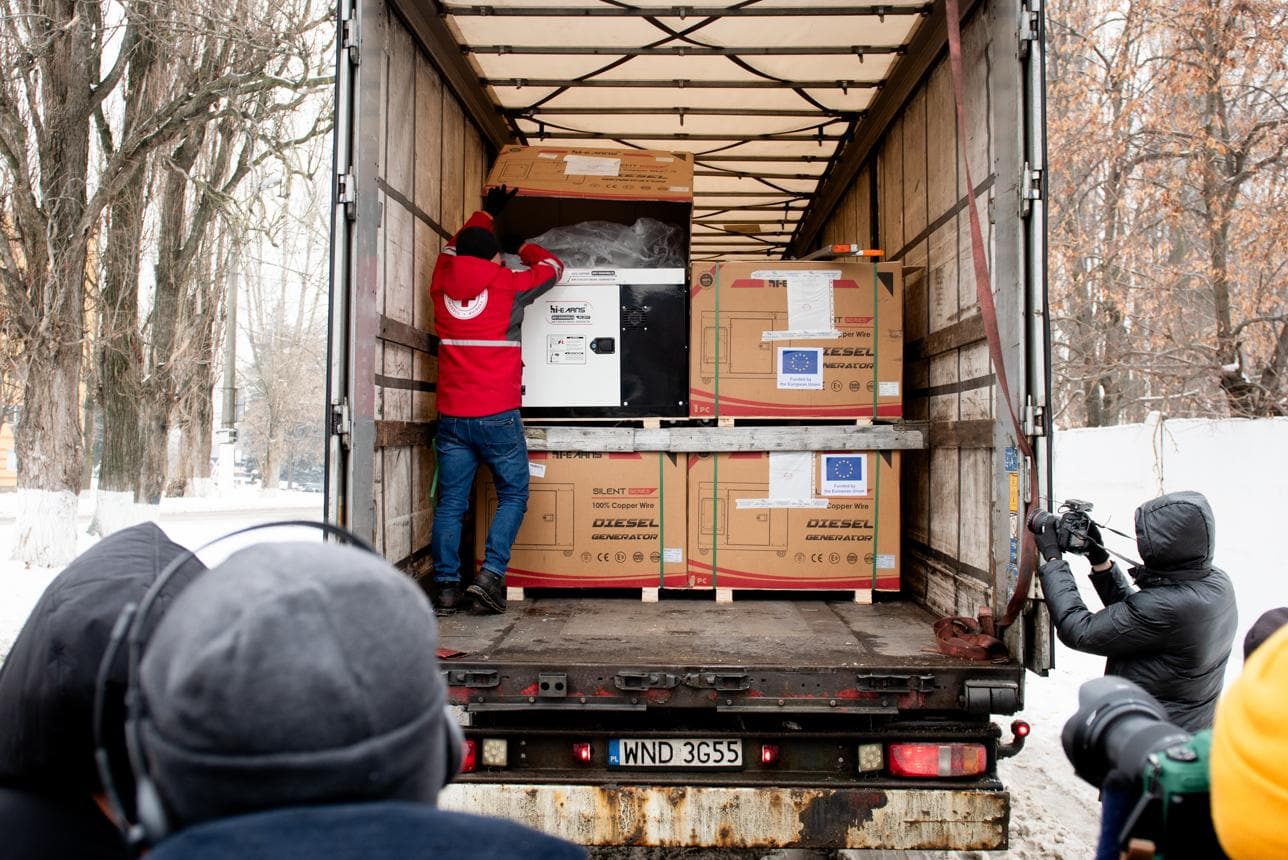
The latest package sets aside 25 million euros for rescEU to deploy additional generators to Ukraine, alongside 75 million euros in broader humanitarian funding. The aim is blunt and practical, to soften the effect of renewed strikes on power stations and heating networks that leave civilians exposed when temperatures fall.

rescEU forms the strategic reserve at the centre of the Union’s Civil Protection Mechanism, a stockpile of equipment and shelters that member states hold on behalf of the whole bloc for use in disasters. Since the full-scale invasion began, it has become a workhorse for delivering aid eastward, and officials say more than 160,000 tonnes of assistance have now moved through EU channels into Ukraine.

The generators matter because Russian targeting of the electricity grid has turned heat and light into weapons of attrition. A hospital without power cannot run ventilators; an apartment block without heat becomes uninhabitable in January. By pre-positioning generators before the cold sets in, planners hope to shorten the gap between a strike and a restored supply.

The money forms part of a much larger commitment. The Union’s humanitarian budget for this year totals 1.9 billion euros, spread across crises from Sub-Saharan Africa to the Middle East, with a dedicated slice for Ukraine and its neighbours. Lawmakers added extra funds for the Civil Protection Mechanism during budget talks, arguing that the bloc’s capacity to respond to disasters has not kept pace with the frequency of emergencies.

That argument extends well beyond the war. The same reserve that ships generators to Ukraine also supplies firefighting aircraft during Mediterranean wildfire seasons and medical stockpiles during health crises. Each deployment draws down capacity that planners must then replenish, and officials warn that demand is rising on several fronts at once.

Aid organisations working inside Ukraine welcome the predictability that pre-committed funding brings, since it lets them plan deliveries rather than scramble after each new strike. They caution, however, that generators treat the symptom rather than the cause, and that lasting relief depends on repairing and defending the grid itself, a task far beyond the reach of any emergency reserve.

For Brussels, the commitment signals that support for Ukraine remains woven into the Union’s everyday crisis machinery rather than treated as a one-off gesture. As winter closes in, the test will be whether the equipment reaches the towns that need it before the first sustained freeze, and whether the reserve can carry that load while standing ready for the next disaster elsewhere.