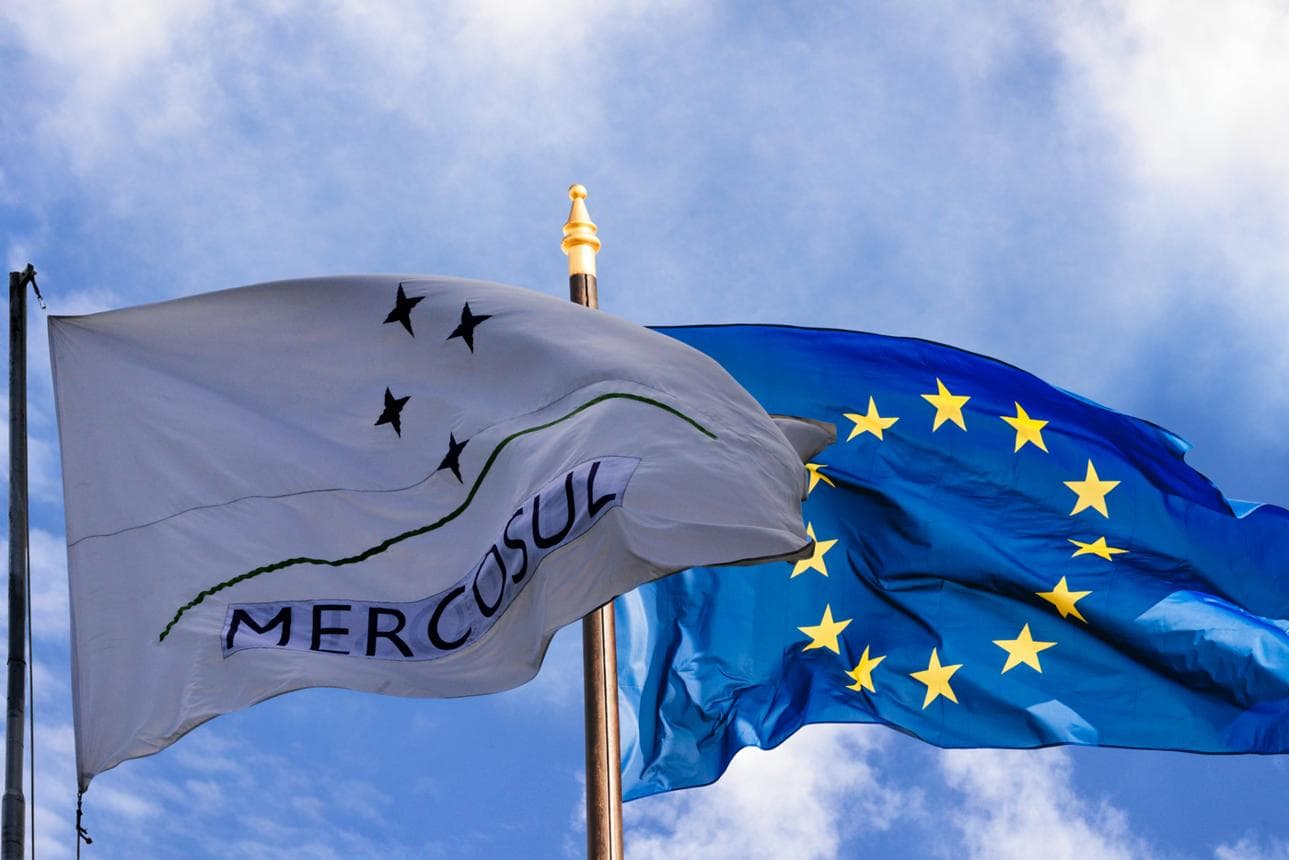
Jakarta: Indonesia and the European Union have pushed their landmark economic partnership into its final approval stage, a milestone that turns years of technical talks into a genuine test of political resolve.
The European Commission sent the Comprehensive Economic Partnership Agreement to the Council for signature in late June, clearing the path toward ratification that both governments want completed in the second half of this year. Officials aim for the deal to enter force on the first of January, giving companies a firm date to plan around. The Commission set out the proposals on its trade policy portal.
The scope is sweeping. The pact eliminates tariffs on more than 98 percent of tariff lines, covering nearly all the goods that move between a bloc of 450 million consumers and Southeast Asia’s largest economy. For Indonesia, it opens Europe to palm oil, textiles, footwear and processed nickel. For Europe, it locks in access to a fast-growing market and to the nickel reserves its battery makers increasingly depend on.
Nickel explains much of Brussels’ patience. Indonesia controls the world’s largest supply and has spent a decade forcing investors to process the ore at home rather than export it raw. European firms once bristled at those export curbs; the partnership now offers a framework to work inside them, trading market access for a steadier route to the metal that powers electric vehicles.
Palm oil supplies the friction. European deforestation rules have angered Jakarta for years, and Indonesian negotiators fought to ensure the new agreement does not quietly reimpose the barriers the tariff cuts remove. The text tries to square commerce with the bloc’s environmental commitments, and how it manages that will shape whether the deal survives the European Parliament intact.
That parliament is the real hurdle. Members must give consent, and green and human rights blocs will press hard on labour standards and forest protection. Indonesia’s legislature faces its own debate over sovereignty and the pace of liberalisation. Neither vote is guaranteed, and either could slip past the January target.
The wider signal matters as much as the schedule. Europe has courted Southeast Asia with new urgency as it diversifies away from China, and a concluded deal with Indonesia strengthens its hand across the region, where talks with other capitals have moved slowly. A partnership with the region’s biggest economy gives the bloc a credible anchor rather than a scatter of stalled negotiations.
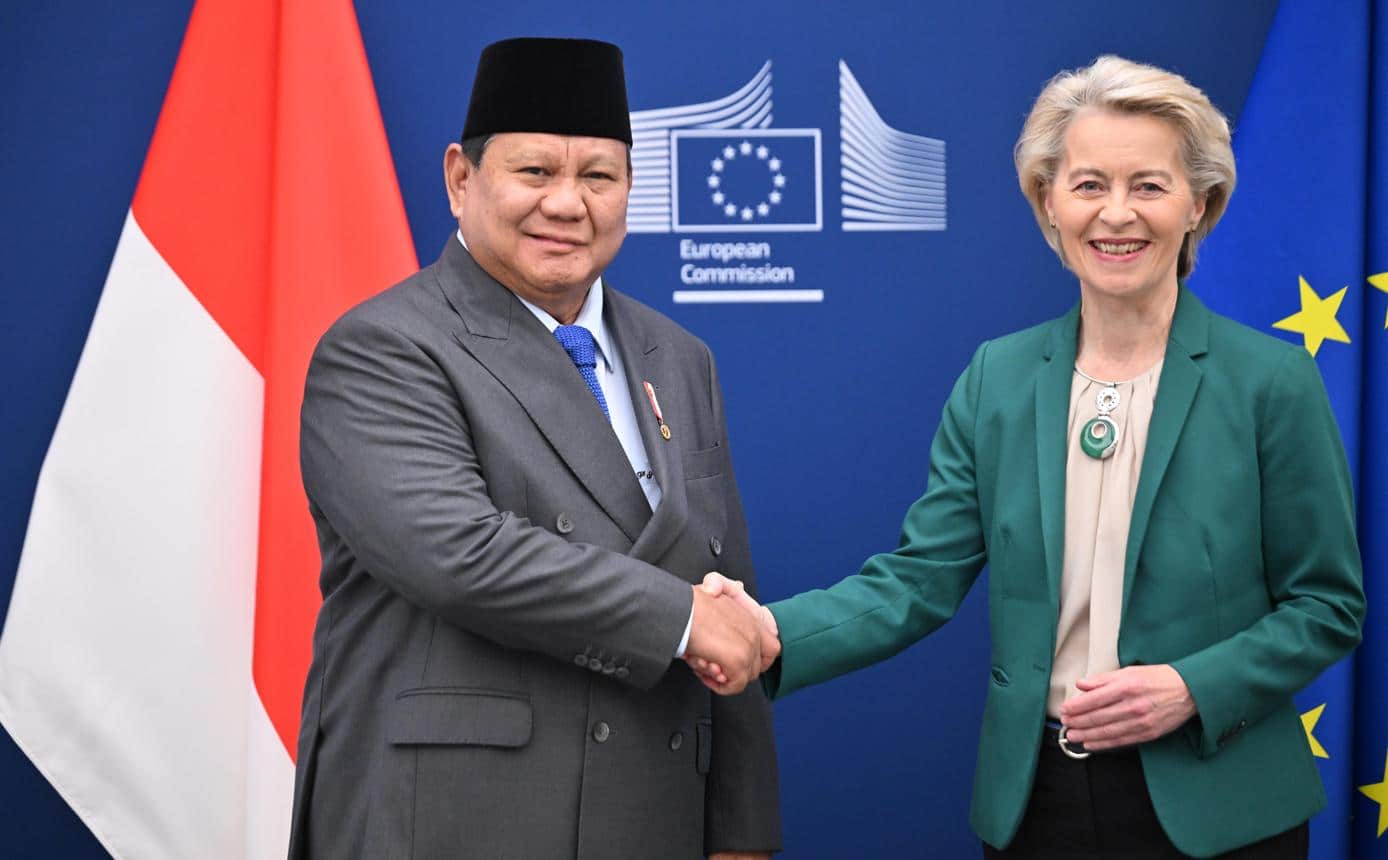
For Jakarta, the calculation is equally strategic. President Prabowo Subianto’s government has hunted for markets and investment beyond its traditional partners, and a ratified pact with Europe loosens an economy long tethered to Chinese demand. Both sides describe the agreement as balanced, and the coming months of ratification will show whether the balance holds.