August 10, 2026
LATEST
Five Joint Defence Projects Launch Europe’s Military ShieldElectrification Plan Aims to Make Europe First Electro ContinentHorizon Europe Budget Fight Heats Up as Ministers Push BackGoogle’s DMA Fine Sets Off a Transatlantic Tariff ClashTwenty New University Alliances Join Erasmus for Two YearsForeign Subsidies Case Puts Temu in the EU’s SightsVan Tachographs Now Mandatory for Cross-Border FleetsStress Test Exposes Gaps in Euro Area Bank DefencesEurope Bets on a Gulf Partnership Before the Riyadh SummitWhy the Atlantic Route Now Runs Through MauritaniaKyiv and Chisinau Advance as the EU Accession Talks Gather PaceEurope’s New Digital Border System Beds In After a Rocky RolloutBrussels Mounts Its Largest Wildfire Response as the Fires SpreadRetail Spending Slipped in June, Wrong-Footing EconomistsHeatwave Warning Puts Brussels on Alert for Vulnerable GroupsKANAL’s 230 Million Euro Museum Sets a November Opening DatePension Savings Rules Get a Reset as the EU Scraps the 1% CapMedicine Shortages Move to the Heart of Europe’s Pharma ResetJapan Becomes Europe’s Closest Security Partner in AsiaCan Europe’s New Zealand Deal Anchor It in the Pacific?Five Joint Defence Projects Launch Europe’s Military ShieldElectrification Plan Aims to Make Europe First Electro ContinentHorizon Europe Budget Fight Heats Up as Ministers Push BackGoogle’s DMA Fine Sets Off a Transatlantic Tariff ClashTwenty New University Alliances Join Erasmus for Two YearsForeign Subsidies Case Puts Temu in the EU’s SightsVan Tachographs Now Mandatory for Cross-Border FleetsStress Test Exposes Gaps in Euro Area Bank DefencesEurope Bets on a Gulf Partnership Before the Riyadh SummitWhy the Atlantic Route Now Runs Through MauritaniaKyiv and Chisinau Advance as the EU Accession Talks Gather PaceEurope’s New Digital Border System Beds In After a Rocky RolloutBrussels Mounts Its Largest Wildfire Response as the Fires SpreadRetail Spending Slipped in June, Wrong-Footing EconomistsHeatwave Warning Puts Brussels on Alert for Vulnerable GroupsKANAL’s 230 Million Euro Museum Sets a November Opening DatePension Savings Rules Get a Reset as the EU Scraps the 1% CapMedicine Shortages Move to the Heart of Europe’s Pharma ResetJapan Becomes Europe’s Closest Security Partner in AsiaCan Europe’s New Zealand Deal Anchor It in the Pacific?
August 10, 2026
LATEST
Five Joint Defence Projects Launch Europe’s Military ShieldElectrification Plan Aims to Make Europe First Electro ContinentHorizon Europe Budget Fight Heats Up as Ministers Push BackGoogle’s DMA Fine Sets Off a Transatlantic Tariff ClashTwenty New University Alliances Join Erasmus for Two YearsForeign Subsidies Case Puts Temu in the EU’s SightsVan Tachographs Now Mandatory for Cross-Border FleetsStress Test Exposes Gaps in Euro Area Bank DefencesEurope Bets on a Gulf Partnership Before the Riyadh SummitWhy the Atlantic Route Now Runs Through MauritaniaKyiv and Chisinau Advance as the EU Accession Talks Gather PaceEurope’s New Digital Border System Beds In After a Rocky RolloutBrussels Mounts Its Largest Wildfire Response as the Fires SpreadRetail Spending Slipped in June, Wrong-Footing EconomistsHeatwave Warning Puts Brussels on Alert for Vulnerable GroupsKANAL’s 230 Million Euro Museum Sets a November Opening DatePension Savings Rules Get a Reset as the EU Scraps the 1% CapMedicine Shortages Move to the Heart of Europe’s Pharma ResetJapan Becomes Europe’s Closest Security Partner in AsiaCan Europe’s New Zealand Deal Anchor It in the Pacific?Five Joint Defence Projects Launch Europe’s Military ShieldElectrification Plan Aims to Make Europe First Electro ContinentHorizon Europe Budget Fight Heats Up as Ministers Push BackGoogle’s DMA Fine Sets Off a Transatlantic Tariff ClashTwenty New University Alliances Join Erasmus for Two YearsForeign Subsidies Case Puts Temu in the EU’s SightsVan Tachographs Now Mandatory for Cross-Border FleetsStress Test Exposes Gaps in Euro Area Bank DefencesEurope Bets on a Gulf Partnership Before the Riyadh SummitWhy the Atlantic Route Now Runs Through MauritaniaKyiv and Chisinau Advance as the EU Accession Talks Gather PaceEurope’s New Digital Border System Beds In After a Rocky RolloutBrussels Mounts Its Largest Wildfire Response as the Fires SpreadRetail Spending Slipped in June, Wrong-Footing EconomistsHeatwave Warning Puts Brussels on Alert for Vulnerable GroupsKANAL’s 230 Million Euro Museum Sets a November Opening DatePension Savings Rules Get a Reset as the EU Scraps the 1% CapMedicine Shortages Move to the Heart of Europe’s Pharma ResetJapan Becomes Europe’s Closest Security Partner in AsiaCan Europe’s New Zealand Deal Anchor It in the Pacific?

Innovation Council Opens 1.4 Billion Euros for Europe’s Scale-Ups

Eindhoven: Europe’s deep-tech founders finally have their marching orders for the year ahead. The European Commission has adopted the 2026 work programme of the European Innovation Council, unlocking more than 1.4 billion euros for the researchers and firms it hopes will keep the continent competitive in strategic technologies.

The innovation council spreads that money across instruments tuned to different stages of the long climb from laboratory bench to market. The Pathfinder strand carries 262 million euros for multidisciplinary teams chasing visionary, high-risk science, with individual grants reaching up to 4 million euros. The Transition strand adds 100 million euros to help promising results cross the so-called valley of death, offering grants worth up to 2.5 million euros to projects that grew out of earlier Pathfinder work, European Research Council proofs of concept or Horizon Europe collaborations.

At the commercial end sits the Accelerator, which pairs grants with equity investment for companies ready to scale. Its challenges track alone holds 220 million euros in 2026, steering funding toward priorities the Commission judges vital to Europe’s technological independence. Founders can pitch across six full-proposal cut-off dates through the year, a rhythm designed to keep capital flowing rather than bunching applications into a single annual scramble.

The headline novelty is political as much as financial. For the first time, an EU programme will inject direct equity into defence companies through a 100 million euro STEP Scale Up Defence call, offering as much as 30 million euros per firm. That marks a decisive break from the bloc’s long reluctance to bankroll the security industry, and it signals how sharply the mood has shifted as governments rearm.

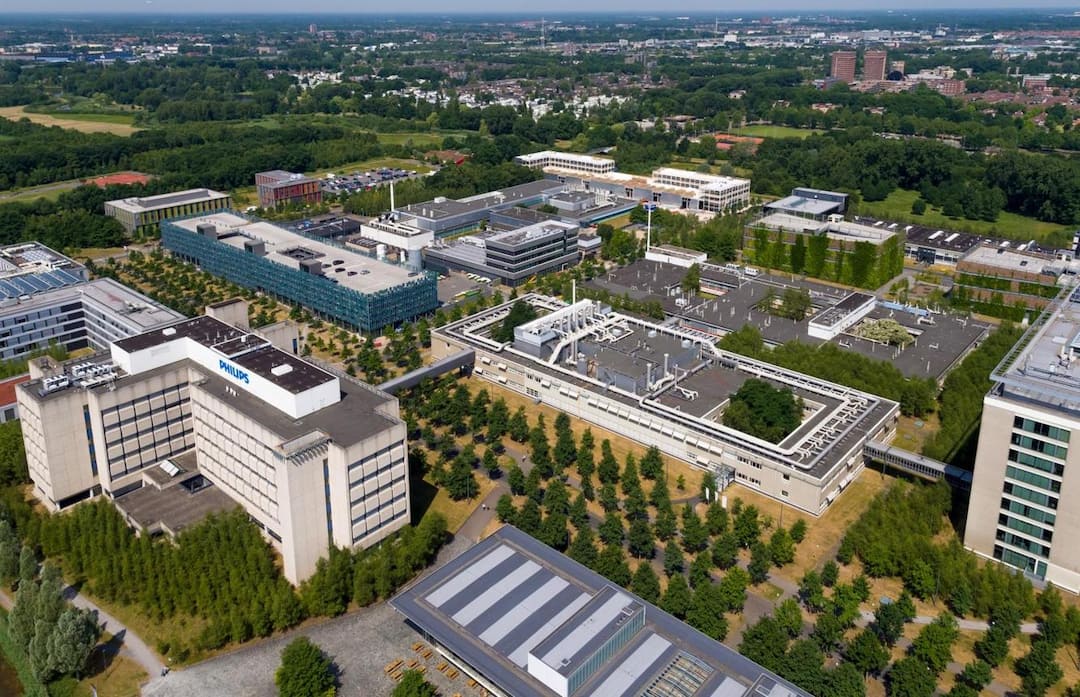
For a city such as Eindhoven, where photonics start-ups and chip suppliers cluster around a dense research base, the calendar matters more than the rhetoric. Small companies rarely have the cash reserves to wait a year for a verdict, and predictable deadlines let them plan hiring and prototype runs against a funding pipeline they can actually see.

Critics will note that 1.4 billion euros, spread across hundreds of ventures and an entire continent, buys only so much. American and Chinese rivals command far deeper pools of private capital, and Europe’s persistent weakness has never been ideas but the money to turn them into global champions. The equity component tries to address exactly that gap, yet a few tens of millions per company looks modest against the scale of a serious industrial build-out.

What the programme does offer is direction. By naming its challenge areas and committing public money to the riskiest stages, the Commission is telling investors where it intends to lean. Whether private financiers follow that lead will determine if this year’s package becomes a genuine turning point or simply another well-intentioned line in the budget.