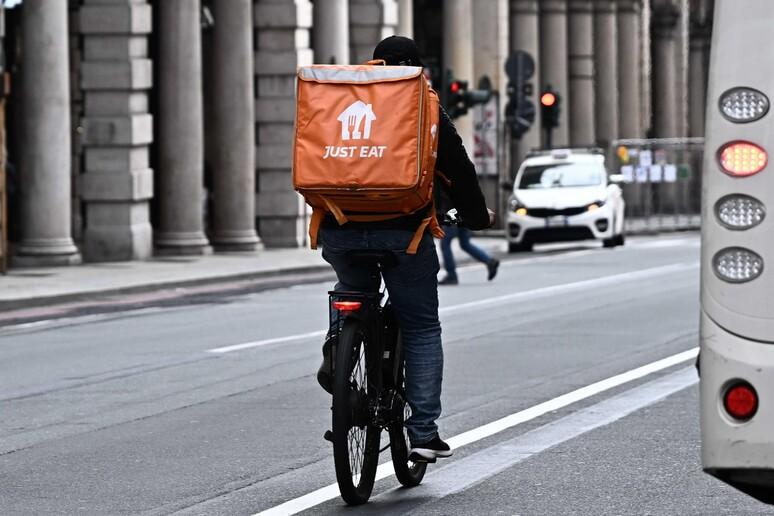
Ride-hailing and delivery apps across Europe have roughly five months to prepare for a reckoning over a simple question: are their workers self-employed, or staff in disguise? The EU’s Platform Work Directive must be written into national law by 2 December, and most member states are only now drafting the rules that will decide.
The directive, adopted in 2024 and in force since December of that year, introduces a legal presumption of employment. When the relationship between a platform and a worker looks like a job, national law must treat it as one unless the company proves otherwise. That reversal shifts the burden onto the likes of Uber, Bolt and Deliveroo, which built their models on armies of nominally independent contractors.
Just as significant are the rules on algorithms. Platforms will have to explain how automated systems assign work, set pay and restrict or deactivate accounts, and they must guarantee human review of major decisions. For millions of couriers and drivers managed almost entirely by software, the change promises a rare look inside the black box that governs their working day.
Member states are moving at very different speeds. France and Spain, which already amended their laws and set up dispute-resolution bodies, sit at the front of the pack; Spain’s earlier Riders’ Law gave delivery couriers employee status back in 2021. Germany has now advanced its own transposition, while others are still consulting. That patchwork worries unions and employers alike, for opposite reasons.
Unions fear that weak transposition will let platforms sidestep the presumption through carefully worded contracts. Employers warn that a fragmented rollout, with each capital drawing the employment line in a different place, will make it impossible to run a single service across borders. The Commission has insisted the directive sets a floor, not a ceiling, leaving governments room to go further.
The competitiveness mood in Brussels adds another layer. Some officials and business groups now cast strong labour rules as a drag on Europe’s tech ambitions, and worker advocates fear that pressure could dilute national laws at the drafting stage. The directive’s real force will depend less on the Brussels text than on how boldly twenty-seven governments choose to apply it.
What happens by December will ripple well beyond the gig economy. If the presumption bites, it could reshape how courts treat every worker managed by an app, from cleaners to freelance coders. If it stalls, the EU’s boldest attempt to tame platform capitalism will have landed with a whimper. Either way, the deadline now sits close enough to concentrate minds.