Eindhoven: Europe’s deep-tech founders face a friendlier funding machine this year. The EIC Accelerator, the European Innovation Council’s flagship scheme for high-risk start-ups, has slimmed its paperwork and quickened its verdicts in a bid to keep breakthrough companies from drifting toward American capital.
The numbers behind the reboot are substantial. The EIC has set aside 634 million euros for the Accelerator in 2026, offering grants of up to 2.5 million euros alongside equity investment that can reach 10 million euros from the EIC Fund. That blend of grant and stake carries a company from lab bench to factory floor.
Process, not just money, drives the changes. Founders now write full proposals of twenty pages rather than fifty, and evaluators return decisions every two months instead of twice a year. Cut-off dates fall on a steady bimonthly rhythm through January, March, May, July, September and November.
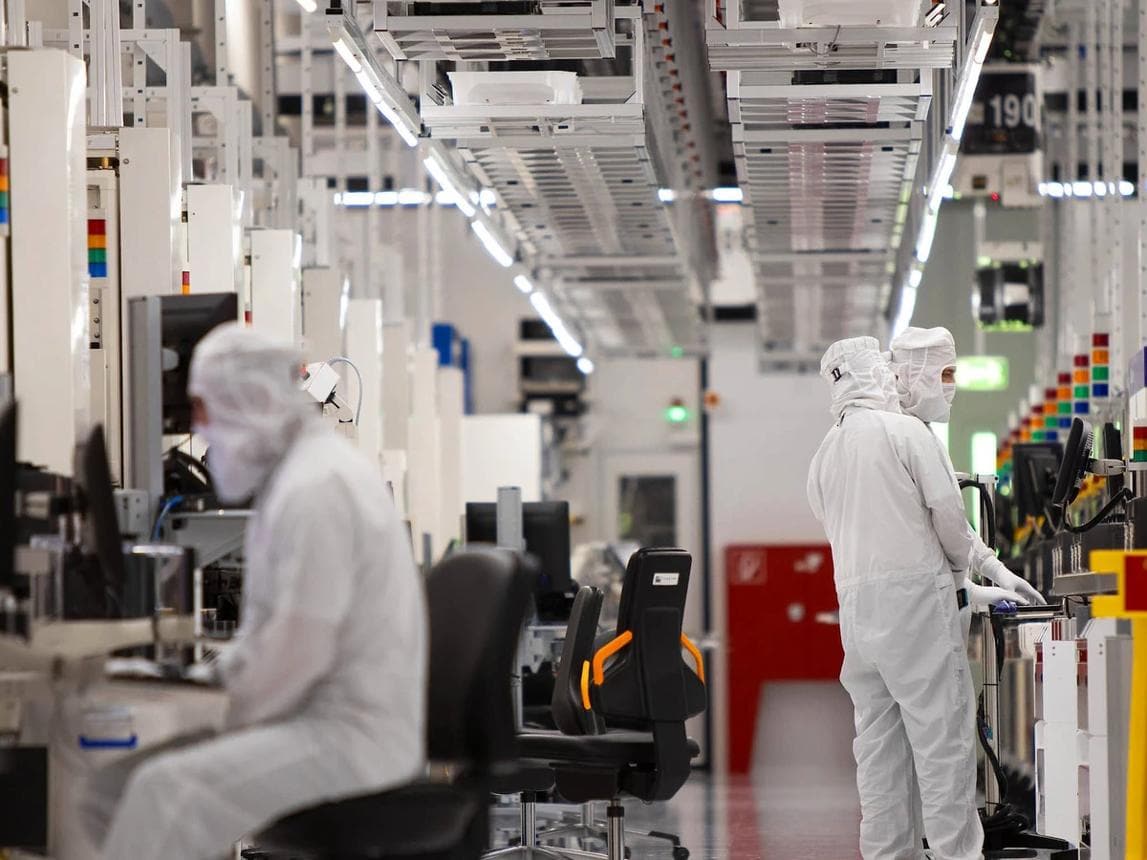
Eindhoven shows why the speed matters. The Dutch city’s dense cluster of chip, photonics and medtech ventures competes for the same scarce engineers and patient capital as rivals in Boston or Shenzhen. A founder here who waits six months for a grant answer can watch a competitor raise, hire and ship in the meantime.
The council has tightened its aim as well. It wants companies whose technology could open new markets or upend existing ones, and it leans toward strategic fields such as clean energy, advanced materials, biotech and semiconductors, where Europe frets about dependence on foreign suppliers.
Critics have long complained that EU innovation money arrives late and drowns applicants in forms. By halving the proposal and quickening the clock, the EIC answers those charges directly, though founders will judge the reform by whether cash actually lands faster, not by the promise of it.
The equity arm carries its own tension. Public money taking stakes in private firms invites questions about the state picking winners, yet supporters argue that scale-up capital remains Europe’s weakest link and that someone has to bridge the gap the market leaves open.
The reform lands amid wider worry about Europe’s shrinking share of global venture funding. Policymakers watch promising firms decamp for deeper American markets, and the Accelerator ranks among the few EU tools that offer both cash and a public seal of credibility to coax them back.
Applicants can track deadlines and rules through the EIC 2026 work programme. Whether the leaner EIC Accelerator keeps Europe’s brightest ventures at home will show up not in brochures but in where the next wave of founders chooses to build.