Vienna: The European transportation sector has entered an unprecedented transformation toward electrification during 2025, with electric vehicle adoption accelerating substantially and supporting infrastructure expanding rapidly. This transition reshapes manufacturing economies, energy demand patterns, and urban planning frameworks across the Union.
Electric vehicle sales reached approximately 25 percent of new passenger vehicle registrations across the European Union in 2025, up from 15 percent in 2023. This acceleration reflects improving battery economics, expanding model availability, and charging infrastructure maturation. However, geographic disparities persist, with Nordic countries achieving 80-90 percent EV market share while Southern European adoption remains more modest.
Battery manufacturing capacity has expanded dramatically, with European facilities achieving annual production exceeding 350 gigawatt-hours by 2025. This manufacturing growth reflects policy support, raw material security investments, and technological advancement. Chinese manufacturers continue dominating global production, though European market share has expanded significantly from negligible levels in 2018.
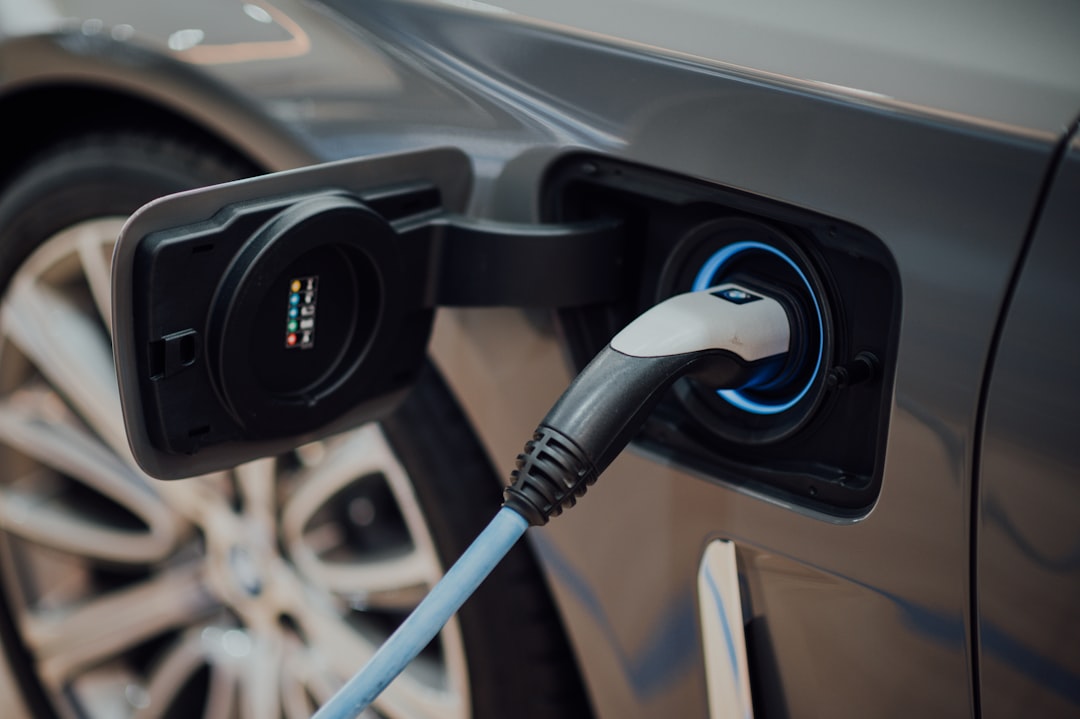
Charging infrastructure expansion represents a critical deployment requirement enabling widespread EV adoption. Public charging networks have proliferated, with approximately 500,000 charging points operational across the Union by 2025. However, rural charging accessibility remains limited, creating geographic adoption barriers. EU financing through the Alternative Fuels Infrastructure Directive supports network expansion.
Heavy-duty vehicle electrification presents greater technical challenges compared to light passenger vehicles. Battery size and weight constraints limit long-distance trucking electrification, necessitating hydrogen fuel cell development for freight applications. Infrastructure investments supporting hydrogen production, storage, and distribution remain preliminary.
Bus rapid transit systems in urban areas increasingly feature electric vehicle deployment, with many cities transitioning entire bus fleets toward zero-emission vehicles. These investments improve air quality, reduce operational costs through lower fuel and maintenance expenses, and enhance citizen health outcomes.
Motorcycle and scooter electrification has progressed rapidly in urban contexts, with electric two-wheelers achieving significant market penetration. These applications particularly benefit from electrification given short-distance usage patterns and urban concentration.
Aviation electrification remains in development phases, with electric aircraft certification ongoing. Regional routes under 500 kilometers may accommodate electric aircraft by 2030-2035 according to optimistic projections, though long-distance aviation will remain dependent on sustainable aviation fuels for the foreseeable future.