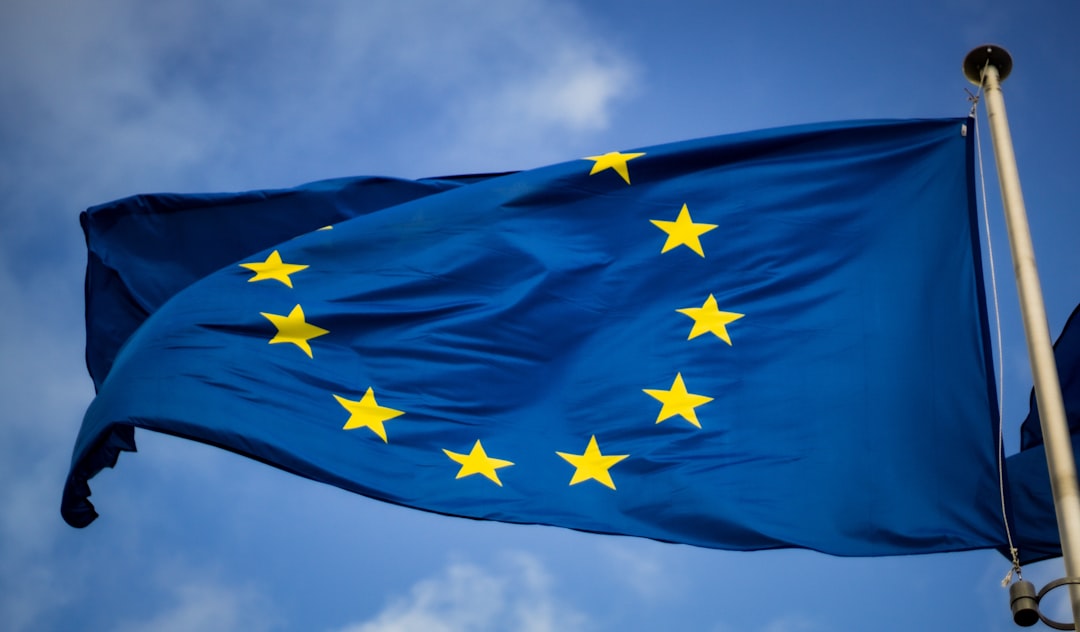
Strasbourg: The European Union’s education and skills agenda has been reshaped by the recognition that the green and digital transitions, demographic change and competitive pressure from outside the bloc all converge on a single binding constraint: the supply of skilled labour. The Union of Skills, announced in the Commission’s 2026 work programme and operationalised through dedicated instruments, places skills at the centre of the bloc’s economic and social policy architecture.
The European Skills Agenda for 2030 sets quantified targets that the bloc must reach to remain competitive. At least 60 per cent of adults should participate in training each year, the basic digital skills baseline should reach 80 per cent of the adult population, and the proportion of low-skilled adults in the workforce should fall significantly. The Commission’s progress reports show that the EU as a whole remains below the trajectory required, with substantial differences between Member States — Nordic and Baltic countries leading and southern European countries trailing.
The Erasmus+ programme, the bloc’s flagship mobility instrument, has expanded its envelope in the 2021 to 2027 cycle and is on track for further expansion in the next Multiannual Financial Framework. The programme’s qualitative evolution has been at least as significant as its quantitative growth: a renewed focus on inclusion, environmental sustainability, civic participation and digital skills underpins the new generation of projects. Erasmus+ has supported more than 1 million participants annually in mobility actions and continues to be one of the most visible and politically supported EU programmes among the public.
The European Education Area, the strategic framework adopted in 2021, has produced sectoral initiatives covering early childhood education and care, school education, higher education, vocational education and training, and adult learning. The European Universities initiative now supports more than 60 alliances, integrating more than 500 higher education institutions across the bloc into structured cooperation networks. The Commission’s evaluation of the initiative has shown significant qualitative benefits — joint degrees, shared infrastructure, integrated mobility — alongside concerns about the long-term funding model.
The Pact for Skills, launched in 2020, has produced large-scale partnerships across industrial ecosystems including automotive, microelectronics, aerospace and digital. The Pact mobilises companies, social partners, training providers and public authorities to commit to specific upskilling and reskilling targets aligned with sector transformation needs. Recent partnerships have focused on chip manufacturing — supporting the Chips Act objectives — and on battery production for the electric vehicle value chain. The Commission has signalled that the Pact will be reinforced as the operational instrument for sector-specific skills cooperation.
Microcredentials are gaining recognition as a complement to traditional qualifications. The Council Recommendation on a European approach to microcredentials, adopted in 2022, has produced consistent definitions and quality criteria. Member States are integrating microcredentials into national qualification frameworks at different speeds. The Commission’s 2026 progress report identifies operational challenges, particularly the recognition of microcredentials by employers and the alignment with formal qualification levels.
The Vocational Education and Training renewal track has produced significant innovation. The Centres of Vocational Excellence initiative supports transnational platforms that combine VET providers, employers, research bodies and regional authorities. The Centres deliver advanced VET, applied research and innovation services that link directly to industrial transformation. The Commission’s mid-term evaluation shows that the Centres have produced measurable impacts on graduate employability and on the integration of VET with industrial strategy.
The Creative Europe programme, the bloc’s flagship instrument for the cultural and creative sectors, has been recalibrated to support cultural sovereignty in the digital age. The MEDIA strand supports European audiovisual production and distribution, with particular attention to youth audiences who increasingly consume content via global streaming platforms rather than national broadcasters. The Culture strand supports the European cultural and creative ecosystem, including heritage protection — an area where the war in Ukraine and conflicts elsewhere have produced new operational challenges.
The Civic, Equality, Rights and Values programme, in application since 2021, supports civil society organisations and projects that promote European values, rights protection and citizen engagement. The programme has been particularly important for non-governmental organisations operating in jurisdictions where rule of law challenges have made domestic funding sources unreliable. The Commission’s evaluation of CERV reflects the programme’s role in strengthening the EU’s civic infrastructure beyond the institutional architecture of the Union itself.