August 10, 2026
LATEST
Five Joint Defence Projects Launch Europe’s Military ShieldElectrification Plan Aims to Make Europe First Electro ContinentHorizon Europe Budget Fight Heats Up as Ministers Push BackGoogle’s DMA Fine Sets Off a Transatlantic Tariff ClashTwenty New University Alliances Join Erasmus for Two YearsForeign Subsidies Case Puts Temu in the EU’s SightsVan Tachographs Now Mandatory for Cross-Border FleetsStress Test Exposes Gaps in Euro Area Bank DefencesEurope Bets on a Gulf Partnership Before the Riyadh SummitWhy the Atlantic Route Now Runs Through MauritaniaKyiv and Chisinau Advance as the EU Accession Talks Gather PaceEurope’s New Digital Border System Beds In After a Rocky RolloutBrussels Mounts Its Largest Wildfire Response as the Fires SpreadRetail Spending Slipped in June, Wrong-Footing EconomistsHeatwave Warning Puts Brussels on Alert for Vulnerable GroupsKANAL’s 230 Million Euro Museum Sets a November Opening DatePension Savings Rules Get a Reset as the EU Scraps the 1% CapMedicine Shortages Move to the Heart of Europe’s Pharma ResetJapan Becomes Europe’s Closest Security Partner in AsiaCan Europe’s New Zealand Deal Anchor It in the Pacific?Five Joint Defence Projects Launch Europe’s Military ShieldElectrification Plan Aims to Make Europe First Electro ContinentHorizon Europe Budget Fight Heats Up as Ministers Push BackGoogle’s DMA Fine Sets Off a Transatlantic Tariff ClashTwenty New University Alliances Join Erasmus for Two YearsForeign Subsidies Case Puts Temu in the EU’s SightsVan Tachographs Now Mandatory for Cross-Border FleetsStress Test Exposes Gaps in Euro Area Bank DefencesEurope Bets on a Gulf Partnership Before the Riyadh SummitWhy the Atlantic Route Now Runs Through MauritaniaKyiv and Chisinau Advance as the EU Accession Talks Gather PaceEurope’s New Digital Border System Beds In After a Rocky RolloutBrussels Mounts Its Largest Wildfire Response as the Fires SpreadRetail Spending Slipped in June, Wrong-Footing EconomistsHeatwave Warning Puts Brussels on Alert for Vulnerable GroupsKANAL’s 230 Million Euro Museum Sets a November Opening DatePension Savings Rules Get a Reset as the EU Scraps the 1% CapMedicine Shortages Move to the Heart of Europe’s Pharma ResetJapan Becomes Europe’s Closest Security Partner in AsiaCan Europe’s New Zealand Deal Anchor It in the Pacific?
August 10, 2026
LATEST
Five Joint Defence Projects Launch Europe’s Military ShieldElectrification Plan Aims to Make Europe First Electro ContinentHorizon Europe Budget Fight Heats Up as Ministers Push BackGoogle’s DMA Fine Sets Off a Transatlantic Tariff ClashTwenty New University Alliances Join Erasmus for Two YearsForeign Subsidies Case Puts Temu in the EU’s SightsVan Tachographs Now Mandatory for Cross-Border FleetsStress Test Exposes Gaps in Euro Area Bank DefencesEurope Bets on a Gulf Partnership Before the Riyadh SummitWhy the Atlantic Route Now Runs Through MauritaniaKyiv and Chisinau Advance as the EU Accession Talks Gather PaceEurope’s New Digital Border System Beds In After a Rocky RolloutBrussels Mounts Its Largest Wildfire Response as the Fires SpreadRetail Spending Slipped in June, Wrong-Footing EconomistsHeatwave Warning Puts Brussels on Alert for Vulnerable GroupsKANAL’s 230 Million Euro Museum Sets a November Opening DatePension Savings Rules Get a Reset as the EU Scraps the 1% CapMedicine Shortages Move to the Heart of Europe’s Pharma ResetJapan Becomes Europe’s Closest Security Partner in AsiaCan Europe’s New Zealand Deal Anchor It in the Pacific?Five Joint Defence Projects Launch Europe’s Military ShieldElectrification Plan Aims to Make Europe First Electro ContinentHorizon Europe Budget Fight Heats Up as Ministers Push BackGoogle’s DMA Fine Sets Off a Transatlantic Tariff ClashTwenty New University Alliances Join Erasmus for Two YearsForeign Subsidies Case Puts Temu in the EU’s SightsVan Tachographs Now Mandatory for Cross-Border FleetsStress Test Exposes Gaps in Euro Area Bank DefencesEurope Bets on a Gulf Partnership Before the Riyadh SummitWhy the Atlantic Route Now Runs Through MauritaniaKyiv and Chisinau Advance as the EU Accession Talks Gather PaceEurope’s New Digital Border System Beds In After a Rocky RolloutBrussels Mounts Its Largest Wildfire Response as the Fires SpreadRetail Spending Slipped in June, Wrong-Footing EconomistsHeatwave Warning Puts Brussels on Alert for Vulnerable GroupsKANAL’s 230 Million Euro Museum Sets a November Opening DatePension Savings Rules Get a Reset as the EU Scraps the 1% CapMedicine Shortages Move to the Heart of Europe’s Pharma ResetJapan Becomes Europe’s Closest Security Partner in AsiaCan Europe’s New Zealand Deal Anchor It in the Pacific?

Montenegro Edges Toward Drafting Its EU Accession Treaty Text

Podgorica: Montenegro has edged closer to becoming the European Union’s next member than any candidate in a generation, and the machinery now turning in Brussels is unmistakably that of a country preparing to draft an accession treaty rather than merely negotiate one. With nineteen chapters open and fourteen provisionally closed, the small Adriatic republic enters the second half of 2026 carrying a credibility few expected when its talks first stalled years ago.

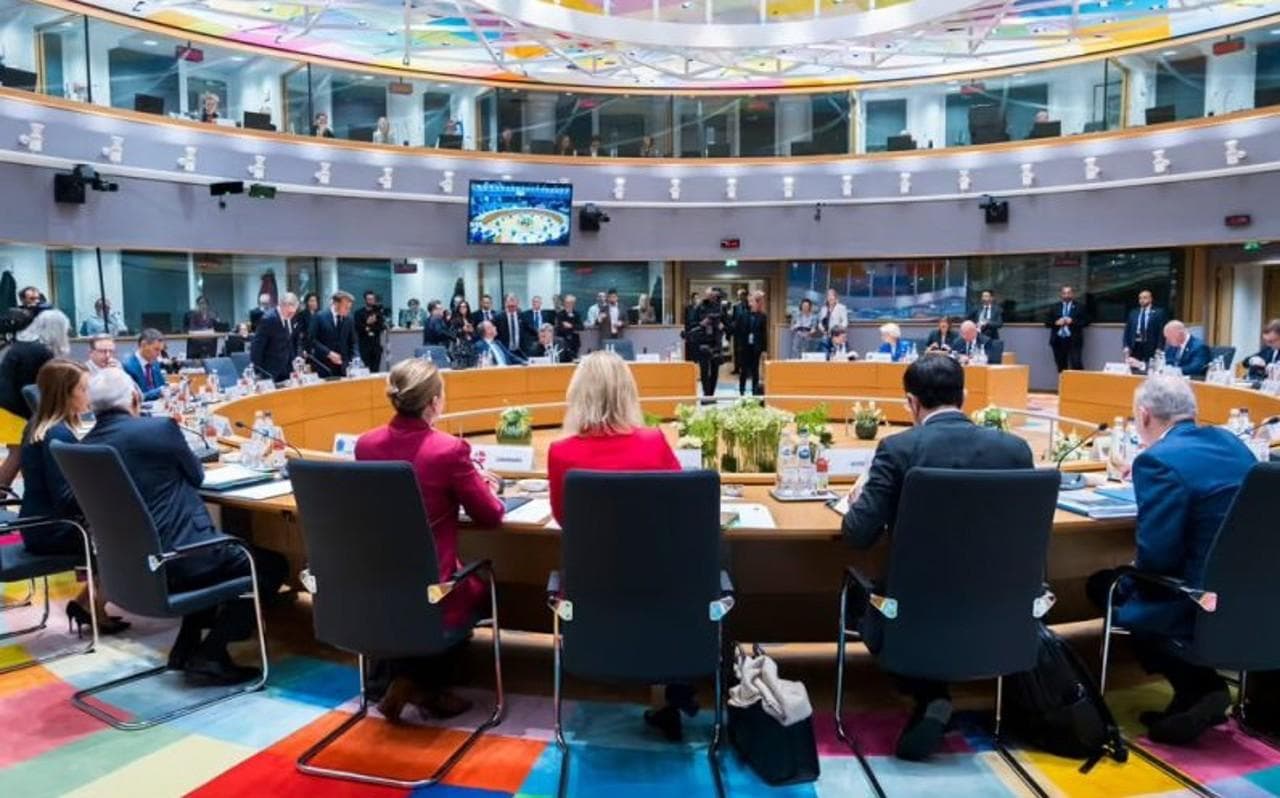
The decisive signal came in late April, when EU ambassadors endorsed the creation of an Ad Hoc Working Party charged with drafting the legal text of Montenegro’s accession treaty. On the first of May, member states formally approved the body, pulling together representatives from across the bloc to begin the painstaking work of converting political momentum into binding clauses. Treaty drafting is not a ceremonial milestone. It is the moment enlargement stops being aspirational and starts generating obligations, transition periods, and safeguard provisions that will shape Montenegro’s place in the single market for decades.

Podgorica has set itself the demanding goal of closing every remaining chapter before the year ends, a timetable officials privately concede leaves no slack. The Cyprus presidency oversaw the closure of the Trans-European networks chapter in March, the latest in a steady run that has kept the file moving even as other candidates stall. Yet the chapters still open include the hardest of them all, the rule-of-law cluster covering judicial independence and the fight against organised crime, where benchmarks are exacting and reversible.

The contrast with the wider enlargement landscape sharpens Montenegro’s advantage. Ukraine and Moldova remain coupled together, their accession talks held hostage for the better part of two years by a veto in the Council that only recently showed signs of lifting after a change of government in Budapest. Albania has opened all its chapters but closed none. Against that backdrop, Montenegro functions as Brussels proof of concept, evidence that the methodology still works when a candidate commits and a presidency pushes.

Diplomats caution against treating a 2026 finish as settled. Drafting an accession treaty surfaces questions that negotiation can defer, from the length of transition arrangements on labour mobility to the precise wording of safeguard clauses that nervous member states will demand. Each national capital retains a veto over the final text, and ratification across twenty-seven parliaments stretches well beyond the closing of chapters. Even an optimistic schedule points to membership no earlier than 2028.

Still, the symbolism matters. A successful Montenegrin accession would be the first enlargement since Croatia joined in 2013, breaking a decade-long drought that fed accusations the EU had lost its appetite for growth. It would also hand the bloc a tangible answer to candidates further back in the queue, demonstrating that the path remains open to those who deliver on reform. For a Western Balkans region long courted by rival powers, that demonstration effect carries strategic weight far larger than Montenegro’s six hundred thousand citizens might suggest. The treaty drafters now hold the pen, and Europe is watching how quickly they can fill the page.