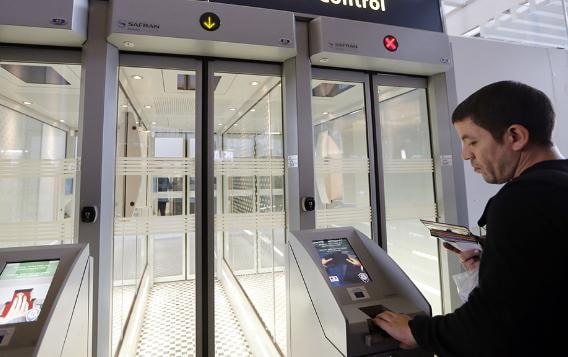
Lisbon: The fingerprint scanners and facial cameras that now greet travellers from outside the Union are starting to feel routine, a far cry from the chaotic scenes that accompanied their full switch-on in the spring. The Entry-Exit System, the bloc’s long-delayed digital border, became fully operational on 10 April after a phased rollout that began the previous autumn, and the early weeks were anything but smooth.
The system replaces the old ritual of stamping passports with an automated record of every non-EU national entering or leaving for a short stay. It logs names, travel document details and biometric data, and crucially it can flag the moment someone outstays their welcome. Supporters had long argued that ink stamps were an absurd way to police a continent’s external frontier, easy to forge and impossible to aggregate. The new database promises a single, searchable picture of who is inside the Schengen area and for how long.
Getting there hurt. When the full regime went live, several major airports buckled under the weight of first-time registrations, with queues stretching to three hours and travellers missing connections. Critics seized on the disruption as evidence of a system rushed into service before the hardware, the staffing and the public information were ready, calling it a systemic failure rather than the teething trouble officials preferred to describe.
Months on, the numbers tell a calmer story. More than forty-five million border crossings have been registered, and the database has been used to refuse entry to roughly twenty-four thousand people, for reasons ranging from fraudulent documents to an inability to justify the purpose of their trip. Border guards report that the first registration remains the slow part, since it captures biometrics from scratch; subsequent crossings, once a traveller is in the system, move far more quickly.
The operational lessons are feeding into the next stage. Authorities are leaning harder on self-service kiosks and pre-registration so that the heaviest data capture happens away from the booth itself, and several entry points have added staff during peak periods. There is also a recognition that travellers need clearer guidance before they arrive, since much of the spring confusion stemmed from people simply not knowing what to expect.
The Entry-Exit System is only half of a larger digital shift at the border. A separate travel authorisation scheme for visa-exempt visitors is due to follow, and the two are designed to work together, giving authorities advance notice of who is coming and a precise record of when they leave. Privacy advocates continue to raise concerns about the accumulation of biometric data on tens of millions of people, and about how long that information is retained and who may access it.
For now the immediate worry is capacity rather than principle. The summer travel season will be the real stress test, when arrivals surge and any weakness in the system shows up as a line snaking through a terminal. Officials in Lisbon and other gateway cities say they are better prepared than they were in April, though few are willing to promise that the queues are gone for good.