August 10, 2026
LATEST
Five Joint Defence Projects Launch Europe’s Military ShieldElectrification Plan Aims to Make Europe First Electro ContinentHorizon Europe Budget Fight Heats Up as Ministers Push BackGoogle’s DMA Fine Sets Off a Transatlantic Tariff ClashTwenty New University Alliances Join Erasmus for Two YearsForeign Subsidies Case Puts Temu in the EU’s SightsVan Tachographs Now Mandatory for Cross-Border FleetsStress Test Exposes Gaps in Euro Area Bank DefencesEurope Bets on a Gulf Partnership Before the Riyadh SummitWhy the Atlantic Route Now Runs Through MauritaniaKyiv and Chisinau Advance as the EU Accession Talks Gather PaceEurope’s New Digital Border System Beds In After a Rocky RolloutBrussels Mounts Its Largest Wildfire Response as the Fires SpreadRetail Spending Slipped in June, Wrong-Footing EconomistsHeatwave Warning Puts Brussels on Alert for Vulnerable GroupsKANAL’s 230 Million Euro Museum Sets a November Opening DatePension Savings Rules Get a Reset as the EU Scraps the 1% CapMedicine Shortages Move to the Heart of Europe’s Pharma ResetJapan Becomes Europe’s Closest Security Partner in AsiaCan Europe’s New Zealand Deal Anchor It in the Pacific?Five Joint Defence Projects Launch Europe’s Military ShieldElectrification Plan Aims to Make Europe First Electro ContinentHorizon Europe Budget Fight Heats Up as Ministers Push BackGoogle’s DMA Fine Sets Off a Transatlantic Tariff ClashTwenty New University Alliances Join Erasmus for Two YearsForeign Subsidies Case Puts Temu in the EU’s SightsVan Tachographs Now Mandatory for Cross-Border FleetsStress Test Exposes Gaps in Euro Area Bank DefencesEurope Bets on a Gulf Partnership Before the Riyadh SummitWhy the Atlantic Route Now Runs Through MauritaniaKyiv and Chisinau Advance as the EU Accession Talks Gather PaceEurope’s New Digital Border System Beds In After a Rocky RolloutBrussels Mounts Its Largest Wildfire Response as the Fires SpreadRetail Spending Slipped in June, Wrong-Footing EconomistsHeatwave Warning Puts Brussels on Alert for Vulnerable GroupsKANAL’s 230 Million Euro Museum Sets a November Opening DatePension Savings Rules Get a Reset as the EU Scraps the 1% CapMedicine Shortages Move to the Heart of Europe’s Pharma ResetJapan Becomes Europe’s Closest Security Partner in AsiaCan Europe’s New Zealand Deal Anchor It in the Pacific?
August 10, 2026
LATEST
Five Joint Defence Projects Launch Europe’s Military ShieldElectrification Plan Aims to Make Europe First Electro ContinentHorizon Europe Budget Fight Heats Up as Ministers Push BackGoogle’s DMA Fine Sets Off a Transatlantic Tariff ClashTwenty New University Alliances Join Erasmus for Two YearsForeign Subsidies Case Puts Temu in the EU’s SightsVan Tachographs Now Mandatory for Cross-Border FleetsStress Test Exposes Gaps in Euro Area Bank DefencesEurope Bets on a Gulf Partnership Before the Riyadh SummitWhy the Atlantic Route Now Runs Through MauritaniaKyiv and Chisinau Advance as the EU Accession Talks Gather PaceEurope’s New Digital Border System Beds In After a Rocky RolloutBrussels Mounts Its Largest Wildfire Response as the Fires SpreadRetail Spending Slipped in June, Wrong-Footing EconomistsHeatwave Warning Puts Brussels on Alert for Vulnerable GroupsKANAL’s 230 Million Euro Museum Sets a November Opening DatePension Savings Rules Get a Reset as the EU Scraps the 1% CapMedicine Shortages Move to the Heart of Europe’s Pharma ResetJapan Becomes Europe’s Closest Security Partner in AsiaCan Europe’s New Zealand Deal Anchor It in the Pacific?Five Joint Defence Projects Launch Europe’s Military ShieldElectrification Plan Aims to Make Europe First Electro ContinentHorizon Europe Budget Fight Heats Up as Ministers Push BackGoogle’s DMA Fine Sets Off a Transatlantic Tariff ClashTwenty New University Alliances Join Erasmus for Two YearsForeign Subsidies Case Puts Temu in the EU’s SightsVan Tachographs Now Mandatory for Cross-Border FleetsStress Test Exposes Gaps in Euro Area Bank DefencesEurope Bets on a Gulf Partnership Before the Riyadh SummitWhy the Atlantic Route Now Runs Through MauritaniaKyiv and Chisinau Advance as the EU Accession Talks Gather PaceEurope’s New Digital Border System Beds In After a Rocky RolloutBrussels Mounts Its Largest Wildfire Response as the Fires SpreadRetail Spending Slipped in June, Wrong-Footing EconomistsHeatwave Warning Puts Brussels on Alert for Vulnerable GroupsKANAL’s 230 Million Euro Museum Sets a November Opening DatePension Savings Rules Get a Reset as the EU Scraps the 1% CapMedicine Shortages Move to the Heart of Europe’s Pharma ResetJapan Becomes Europe’s Closest Security Partner in AsiaCan Europe’s New Zealand Deal Anchor It in the Pacific?

Crowded Orbits Push Europe Toward Its First Common Space Law

Kiruna: From the spaceport on the edge of the Arctic where Europe tests its rockets, the orbits overhead look emptier than they are. Low Earth orbit is filling fast with satellites and the debris they leave behind, and the European Union has decided it can no longer treat space as a frontier governed by twenty-seven separate national rulebooks. Its answer is the EU Space Act, the draft regulation the Commission tabled in June 2025 and which is now working its way through the legislative machinery as the Union’s first attempt at a genuine single market for space.

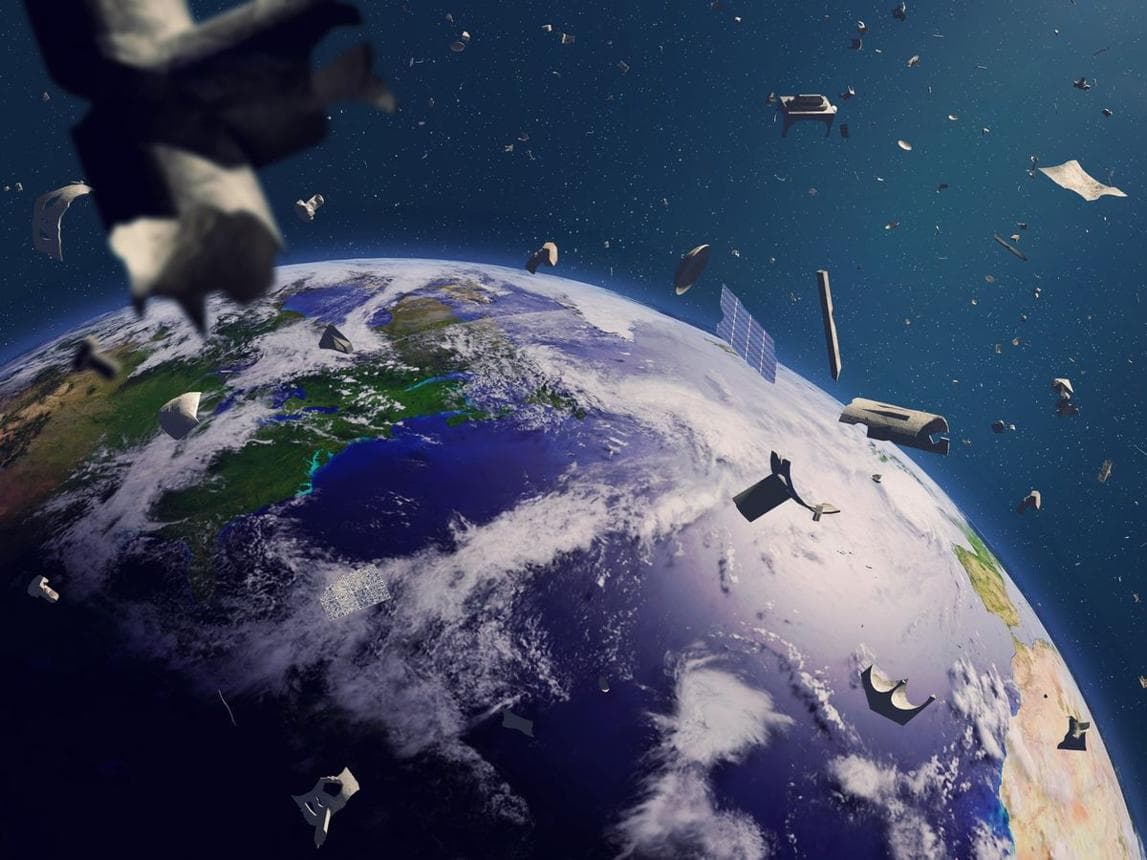
The proposal rests on three pillars its drafters summarise as safety, resilience and sustainability. On safety, the act would harmonise the patchwork of national licences that operators currently navigate and impose common requirements for tracking objects in orbit, mitigating new debris and disposing of satellites cleanly at the end of their lives. With tens of thousands of trackable fragments already circling the planet, the risk of collision has shifted from theoretical to operational, and a single set of rules is meant to stop the bloc’s own operators from adding to the hazard.

Resilience is the newer preoccupation. Buried in the hundred-page text, articles on cybersecurity would require operators to run risk assessments and management measures across a satellite’s entire life cycle, treating orbital infrastructure as critical infrastructure that can be jammed, spoofed or hacked. The third pillar, sustainability, would oblige operators to measure and calculate the environmental footprint of their activities, extending the Union’s habit of carbon accounting into orbit.

The regulation does not exist in isolation. It is the legal scaffolding for IRIS2, the Union’s flagship constellation, conceived as a sovereign communications network to rival the private mega-constellations that have come to dominate the skies. IRIS2 is designed around 264 satellites in low Earth orbit and a further 18 in medium orbit, a multi-layer architecture meant to deliver secure connectivity to governments and, eventually, commercial users. The concession to build and operate it was awarded to SpaceRISE, a consortium of the established European operators SES, Eutelsat and Hispasat, with initial government services not expected before 2030.

That distant start date is a reminder of how far ambition runs ahead of hardware. Europe is legislating for a space economy it does not yet fully possess, betting that common rules will attract the private capital and launch capacity the continent has historically lacked. Critics within the industry worry that a thick rulebook arriving before the market has matured could burden the very startups the Union hopes to nurture, loading compliance costs onto firms still struggling to reach orbit.

The counterargument is that clarity is itself an asset. An operator that can license once and fly across the whole Union, rather than negotiating twenty-seven regimes, has a reason to base itself in Europe rather than elsewhere. Whether the Space Act strikes that balance, protecting the orbital commons without smothering the sector, will be argued out chapter by chapter as Parliament and the Council work through the text. What is no longer in doubt is that the Union intends to regulate the sky above as deliberately as it regulates the market below.