August 10, 2026
LATEST
Five Joint Defence Projects Launch Europe’s Military ShieldElectrification Plan Aims to Make Europe First Electro ContinentHorizon Europe Budget Fight Heats Up as Ministers Push BackGoogle’s DMA Fine Sets Off a Transatlantic Tariff ClashTwenty New University Alliances Join Erasmus for Two YearsForeign Subsidies Case Puts Temu in the EU’s SightsVan Tachographs Now Mandatory for Cross-Border FleetsStress Test Exposes Gaps in Euro Area Bank DefencesEurope Bets on a Gulf Partnership Before the Riyadh SummitWhy the Atlantic Route Now Runs Through MauritaniaKyiv and Chisinau Advance as the EU Accession Talks Gather PaceEurope’s New Digital Border System Beds In After a Rocky RolloutBrussels Mounts Its Largest Wildfire Response as the Fires SpreadRetail Spending Slipped in June, Wrong-Footing EconomistsHeatwave Warning Puts Brussels on Alert for Vulnerable GroupsKANAL’s 230 Million Euro Museum Sets a November Opening DatePension Savings Rules Get a Reset as the EU Scraps the 1% CapMedicine Shortages Move to the Heart of Europe’s Pharma ResetJapan Becomes Europe’s Closest Security Partner in AsiaCan Europe’s New Zealand Deal Anchor It in the Pacific?Five Joint Defence Projects Launch Europe’s Military ShieldElectrification Plan Aims to Make Europe First Electro ContinentHorizon Europe Budget Fight Heats Up as Ministers Push BackGoogle’s DMA Fine Sets Off a Transatlantic Tariff ClashTwenty New University Alliances Join Erasmus for Two YearsForeign Subsidies Case Puts Temu in the EU’s SightsVan Tachographs Now Mandatory for Cross-Border FleetsStress Test Exposes Gaps in Euro Area Bank DefencesEurope Bets on a Gulf Partnership Before the Riyadh SummitWhy the Atlantic Route Now Runs Through MauritaniaKyiv and Chisinau Advance as the EU Accession Talks Gather PaceEurope’s New Digital Border System Beds In After a Rocky RolloutBrussels Mounts Its Largest Wildfire Response as the Fires SpreadRetail Spending Slipped in June, Wrong-Footing EconomistsHeatwave Warning Puts Brussels on Alert for Vulnerable GroupsKANAL’s 230 Million Euro Museum Sets a November Opening DatePension Savings Rules Get a Reset as the EU Scraps the 1% CapMedicine Shortages Move to the Heart of Europe’s Pharma ResetJapan Becomes Europe’s Closest Security Partner in AsiaCan Europe’s New Zealand Deal Anchor It in the Pacific?
August 10, 2026
LATEST
Five Joint Defence Projects Launch Europe’s Military ShieldElectrification Plan Aims to Make Europe First Electro ContinentHorizon Europe Budget Fight Heats Up as Ministers Push BackGoogle’s DMA Fine Sets Off a Transatlantic Tariff ClashTwenty New University Alliances Join Erasmus for Two YearsForeign Subsidies Case Puts Temu in the EU’s SightsVan Tachographs Now Mandatory for Cross-Border FleetsStress Test Exposes Gaps in Euro Area Bank DefencesEurope Bets on a Gulf Partnership Before the Riyadh SummitWhy the Atlantic Route Now Runs Through MauritaniaKyiv and Chisinau Advance as the EU Accession Talks Gather PaceEurope’s New Digital Border System Beds In After a Rocky RolloutBrussels Mounts Its Largest Wildfire Response as the Fires SpreadRetail Spending Slipped in June, Wrong-Footing EconomistsHeatwave Warning Puts Brussels on Alert for Vulnerable GroupsKANAL’s 230 Million Euro Museum Sets a November Opening DatePension Savings Rules Get a Reset as the EU Scraps the 1% CapMedicine Shortages Move to the Heart of Europe’s Pharma ResetJapan Becomes Europe’s Closest Security Partner in AsiaCan Europe’s New Zealand Deal Anchor It in the Pacific?Five Joint Defence Projects Launch Europe’s Military ShieldElectrification Plan Aims to Make Europe First Electro ContinentHorizon Europe Budget Fight Heats Up as Ministers Push BackGoogle’s DMA Fine Sets Off a Transatlantic Tariff ClashTwenty New University Alliances Join Erasmus for Two YearsForeign Subsidies Case Puts Temu in the EU’s SightsVan Tachographs Now Mandatory for Cross-Border FleetsStress Test Exposes Gaps in Euro Area Bank DefencesEurope Bets on a Gulf Partnership Before the Riyadh SummitWhy the Atlantic Route Now Runs Through MauritaniaKyiv and Chisinau Advance as the EU Accession Talks Gather PaceEurope’s New Digital Border System Beds In After a Rocky RolloutBrussels Mounts Its Largest Wildfire Response as the Fires SpreadRetail Spending Slipped in June, Wrong-Footing EconomistsHeatwave Warning Puts Brussels on Alert for Vulnerable GroupsKANAL’s 230 Million Euro Museum Sets a November Opening DatePension Savings Rules Get a Reset as the EU Scraps the 1% CapMedicine Shortages Move to the Heart of Europe’s Pharma ResetJapan Becomes Europe’s Closest Security Partner in AsiaCan Europe’s New Zealand Deal Anchor It in the Pacific?

Can Europe’s Wildfire Fleet Cope With Another Record-Hot Summer

Athens: With forecasters warning of another punishing summer, Europe is racing to position the aircraft, crews and supplies it will need before the first major wildfires break out. The Union’s civil protection machinery has spent the spring pre-deploying firefighting planes and ground teams across the southern member states most exposed to drought and heat, an attempt to learn from seasons in which fires outran the resources sent to fight them.

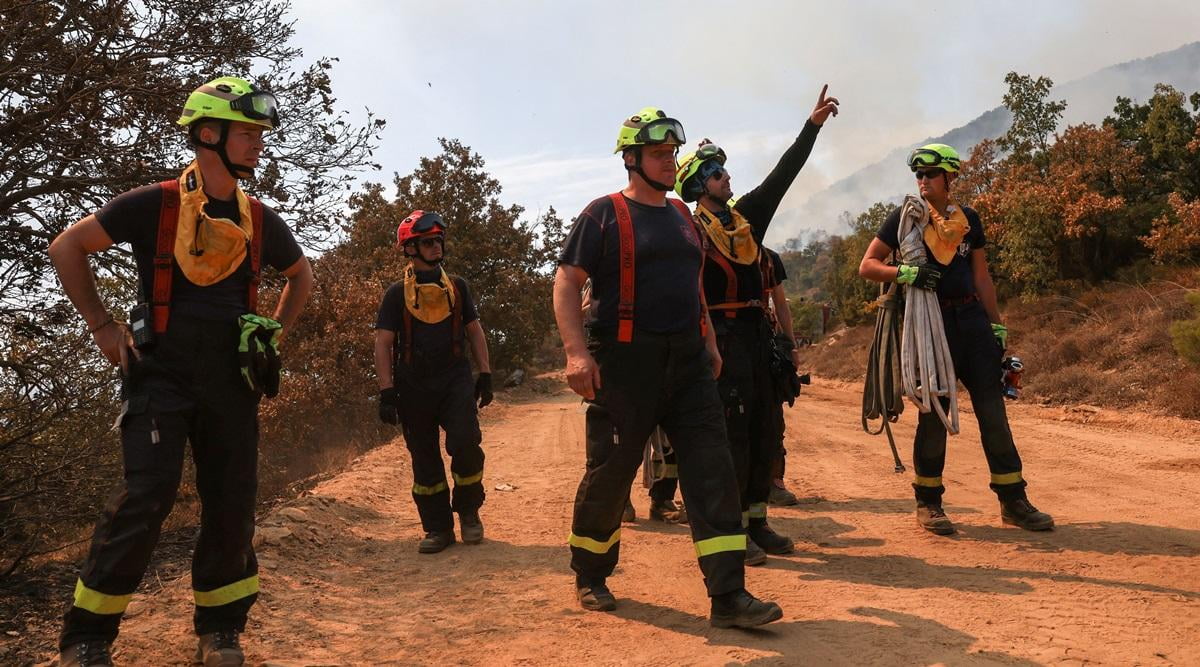
The backbone of the effort is rescEU, the reserve of assets the bloc owns or funds directly so that no single country has to face a catastrophe alone. The fleet of water-bombing aeroplanes and helicopters has been stationed at hubs around the Mediterranean, ready to cross borders within hours when a national government’s own capacity is overwhelmed and it triggers the Civil Protection Mechanism. Alongside the aircraft, hundreds of firefighters from across the continent have been hosted in the highest-risk regions for the season, a standing pool that can be activated without the delay of assembling help from scratch.

The strategy reflects a hard lesson. In recent years fires have grown longer, hotter and more simultaneous, striking several countries at once and leaving little spare capacity to share. Pre-positioning assets before the danger peaks is meant to shave critical hours off the response, the window in which a manageable blaze becomes an uncontrollable one. It also signals a shift in thinking, from reacting to disasters toward anticipating them, as a warming climate turns what were once exceptional summers into the baseline.

Why it matters is measured in more than scorched hectares. Wildfires kill, displace families, choke cities in smoke and inflict economic damage that lingers for years, while the carbon they release feeds the very warming that makes them worse. A coordinated European response also carries a quieter political weight, demonstrating solidarity to citizens who increasingly judge the Union by whether it shows up when their homes are threatened.

The model is not without strain. The fleet remains too small for the worst scenarios, much of it leased rather than owned, and member states have been slow to invest in the new aircraft that a permanent European capability would require. Procurement of purpose-built planes runs years behind the rising need, leaving the bloc reliant on ageing equipment and the goodwill of countries willing to lend their own.

What happens next depends partly on the weather and partly on politics. If the summer turns severe, expect renewed calls to expand the shared fleet and to speed the slow build-up of a standing European force rather than a borrowed one. Officials also point to prevention, arguing that better land management and early-warning systems would do more over time than any number of water bombers. For the communities watching the thermometer climb, though, the immediate reassurance is simpler: this year, more of the help is already in place before the smoke appears.