Member states this week signed off on a European Commission plan to release more than 56 million euros from the agricultural reserve, channelling emergency cash to growers in Portugal, Romania, Cyprus, Croatia and Slovenia who lost crops to a run of violent weather. The endorsement turns a proposal floated earlier in June into money that national authorities can now start paying out.
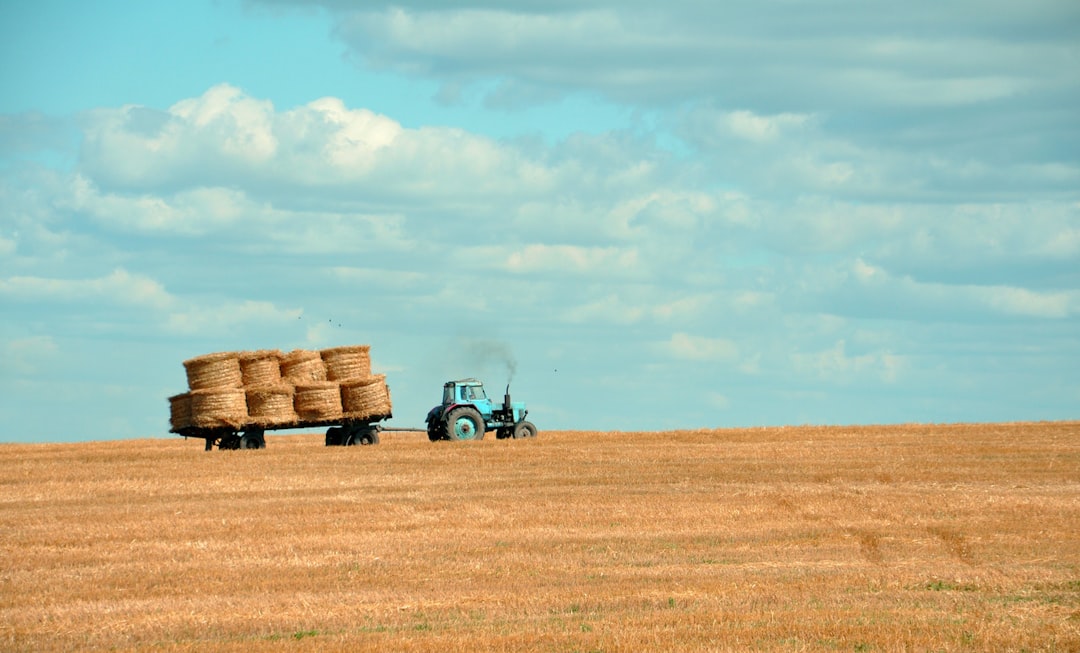
The distribution is sharply weighted toward the worst-hit. Portugal takes the largest share at 30 million euros after Storm Kristin battered the country in January and February, flooding fields and wrecking farm infrastructure with heavy rain and high winds. Romania receives 14.8 million euros for losses tied to a punishing run of drought and heatwaves between June and August 2025 that shrivelled maize and sunflower yields. Cyprus is allocated 4.6 million euros, Croatia 4.4 million and Slovenia 2.8 million. The Commission says the support targets fruit, nut, vine, olive and arable producers, along with mixed livestock farmers caught in the same shocks.
The agricultural reserve exists precisely for moments like this. Funded within the Common Agricultural Policy, it is a standing pot designed to be tapped when markets are disrupted or disasters strike, sparing the Commission from having to find fresh money each time the weather turns destructive. National governments can top up the EU contribution from their own budgets, which means the headline figure often understates what eventually reaches farm gates.
What stands out is the rhythm of these payouts. Emergency releases from the reserve were meant to be exceptional, yet adverse climatic events have become a near-permanent line item, raising an awkward question about whether a fund built for rare crises is quietly becoming an annual subsidy for a warming continent. Each storm and drought that triggers a fresh tranche chips away at the reserve’s capacity to respond to the next one, and farm groups have long argued the pot is too small for the scale of risk now baked into European agriculture.
The relief also lands alongside a separate, larger effort. The Commission has proposed mobilising up to 540 million euros in the coming weeks to help farmers cover the cost of fertiliser, a response to price pressures that have squeezed margins across the bloc. Taken together, the two measures sketch a sector leaning ever more heavily on Brussels to absorb shocks it cannot control, from the sky above the fields to the global markets that set input costs.
For the farmers receiving the cheques, the immediate value is obvious: cash to replant, repair and survive until the next harvest. The harder conversation, which the reserve’s growing workload keeps forcing back onto the agenda, is whether emergency aid can substitute for the longer adaptation, insurance and resilience measures that recurring disasters now demand. Until that debate produces firmer answers, the agricultural reserve looks set to keep doing the work of a climate-adjustment fund under another name.