August 10, 2026
LATEST
One Year On, the EU-Japan Alliance Faces Its First TestEurope’s Chip Ambitions Still Run Through Taiwan’s FabsWhy South Korea Bet Its Research Future on Europe’s ProgrammeEurope and Japan Deepen Their Economic Alliance as Rivals CircleFive Joint Defence Projects Launch Europe’s Military ShieldElectrification Plan Aims to Make Europe First Electro ContinentHorizon Europe Budget Fight Heats Up as Ministers Push BackGoogle’s DMA Fine Sets Off a Transatlantic Tariff ClashTwenty New University Alliances Join Erasmus for Two YearsForeign Subsidies Case Puts Temu in the EU’s SightsVan Tachographs Now Mandatory for Cross-Border FleetsStress Test Exposes Gaps in Euro Area Bank DefencesEurope Bets on a Gulf Partnership Before the Riyadh SummitWhy the Atlantic Route Now Runs Through MauritaniaKyiv and Chisinau Advance as the EU Accession Talks Gather PaceEurope’s New Digital Border System Beds In After a Rocky RolloutBrussels Mounts Its Largest Wildfire Response as the Fires SpreadRetail Spending Slipped in June, Wrong-Footing EconomistsHeatwave Warning Puts Brussels on Alert for Vulnerable GroupsKANAL’s 230 Million Euro Museum Sets a November Opening DateOne Year On, the EU-Japan Alliance Faces Its First TestEurope’s Chip Ambitions Still Run Through Taiwan’s FabsWhy South Korea Bet Its Research Future on Europe’s ProgrammeEurope and Japan Deepen Their Economic Alliance as Rivals CircleFive Joint Defence Projects Launch Europe’s Military ShieldElectrification Plan Aims to Make Europe First Electro ContinentHorizon Europe Budget Fight Heats Up as Ministers Push BackGoogle’s DMA Fine Sets Off a Transatlantic Tariff ClashTwenty New University Alliances Join Erasmus for Two YearsForeign Subsidies Case Puts Temu in the EU’s SightsVan Tachographs Now Mandatory for Cross-Border FleetsStress Test Exposes Gaps in Euro Area Bank DefencesEurope Bets on a Gulf Partnership Before the Riyadh SummitWhy the Atlantic Route Now Runs Through MauritaniaKyiv and Chisinau Advance as the EU Accession Talks Gather PaceEurope’s New Digital Border System Beds In After a Rocky RolloutBrussels Mounts Its Largest Wildfire Response as the Fires SpreadRetail Spending Slipped in June, Wrong-Footing EconomistsHeatwave Warning Puts Brussels on Alert for Vulnerable GroupsKANAL’s 230 Million Euro Museum Sets a November Opening Date
August 10, 2026
LATEST
One Year On, the EU-Japan Alliance Faces Its First TestEurope’s Chip Ambitions Still Run Through Taiwan’s FabsWhy South Korea Bet Its Research Future on Europe’s ProgrammeEurope and Japan Deepen Their Economic Alliance as Rivals CircleFive Joint Defence Projects Launch Europe’s Military ShieldElectrification Plan Aims to Make Europe First Electro ContinentHorizon Europe Budget Fight Heats Up as Ministers Push BackGoogle’s DMA Fine Sets Off a Transatlantic Tariff ClashTwenty New University Alliances Join Erasmus for Two YearsForeign Subsidies Case Puts Temu in the EU’s SightsVan Tachographs Now Mandatory for Cross-Border FleetsStress Test Exposes Gaps in Euro Area Bank DefencesEurope Bets on a Gulf Partnership Before the Riyadh SummitWhy the Atlantic Route Now Runs Through MauritaniaKyiv and Chisinau Advance as the EU Accession Talks Gather PaceEurope’s New Digital Border System Beds In After a Rocky RolloutBrussels Mounts Its Largest Wildfire Response as the Fires SpreadRetail Spending Slipped in June, Wrong-Footing EconomistsHeatwave Warning Puts Brussels on Alert for Vulnerable GroupsKANAL’s 230 Million Euro Museum Sets a November Opening DateOne Year On, the EU-Japan Alliance Faces Its First TestEurope’s Chip Ambitions Still Run Through Taiwan’s FabsWhy South Korea Bet Its Research Future on Europe’s ProgrammeEurope and Japan Deepen Their Economic Alliance as Rivals CircleFive Joint Defence Projects Launch Europe’s Military ShieldElectrification Plan Aims to Make Europe First Electro ContinentHorizon Europe Budget Fight Heats Up as Ministers Push BackGoogle’s DMA Fine Sets Off a Transatlantic Tariff ClashTwenty New University Alliances Join Erasmus for Two YearsForeign Subsidies Case Puts Temu in the EU’s SightsVan Tachographs Now Mandatory for Cross-Border FleetsStress Test Exposes Gaps in Euro Area Bank DefencesEurope Bets on a Gulf Partnership Before the Riyadh SummitWhy the Atlantic Route Now Runs Through MauritaniaKyiv and Chisinau Advance as the EU Accession Talks Gather PaceEurope’s New Digital Border System Beds In After a Rocky RolloutBrussels Mounts Its Largest Wildfire Response as the Fires SpreadRetail Spending Slipped in June, Wrong-Footing EconomistsHeatwave Warning Puts Brussels on Alert for Vulnerable GroupsKANAL’s 230 Million Euro Museum Sets a November Opening Date

Beijing Hosts Pivotal EU Conference on Inflection Point Ties

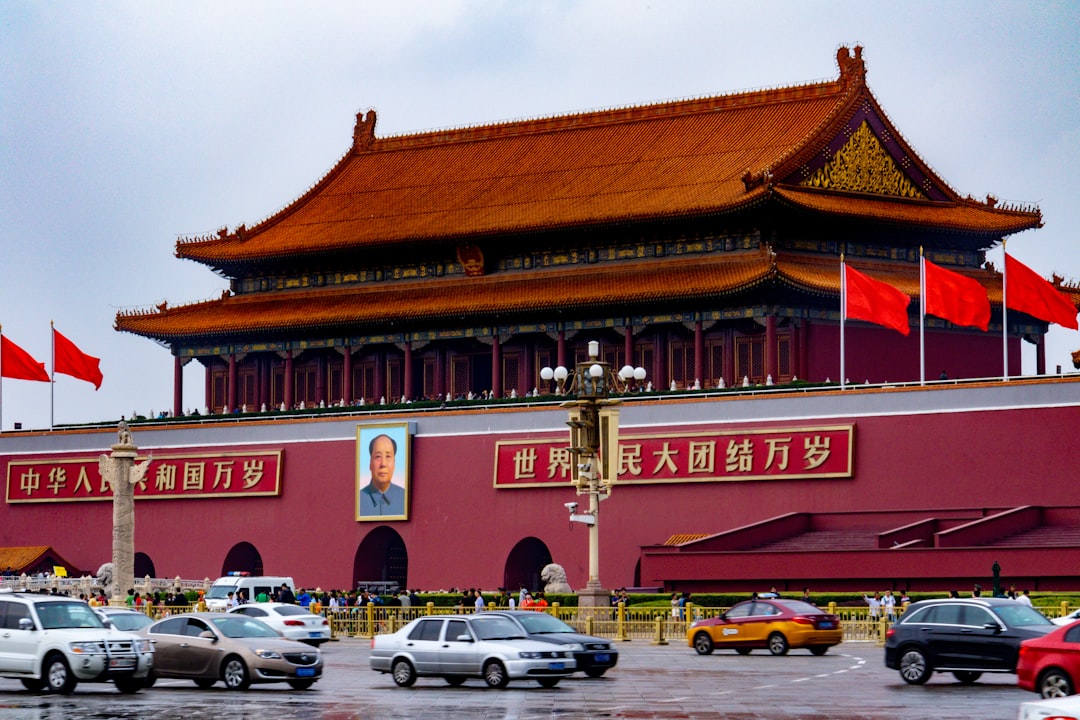
Beijing: The second EU-China Conference convened in the Chinese capital on 12 May 2026 under a banner that captured Brussels’ increasingly cautious posture toward its largest trading partner — “navigating beyond the inflection point.” The phrasing was neither incidental nor decorative. It signalled an acknowledgement, rare in formal diplomatic settings, that the relationship has crossed a threshold from which a simple return to the cooperative architecture of the 2010s is no longer plausible.

Hosted by the EU Delegation in Beijing, the gathering drew more than five hundred participants to the venue and reached nearly fifty thousand online viewers across Weibo and Zoom. Forty-one panellists from European institutions, Chinese ministries, academia and the business community took the floor across panels on trade, peace and security, digital governance, climate cooperation, development financing, and the contested terrain of geographical indications and intellectual property enforcement.

What emerged was less a manifesto than a careful inventory. European speakers stressed that the bloc continues to value cooperation on transnational challenges — climate transition, global health, debt sustainability for vulnerable economies — while simultaneously sharpening tools designed to discipline state-backed competition and protect strategic supply chains. The Industrial Accelerator Act, introduced in March, was repeatedly invoked as the operational expression of that doctrine: a single framework absorbing the Critical Raw Materials Act, Net-Zero Industry Act, and foreign-subsidies instrument.

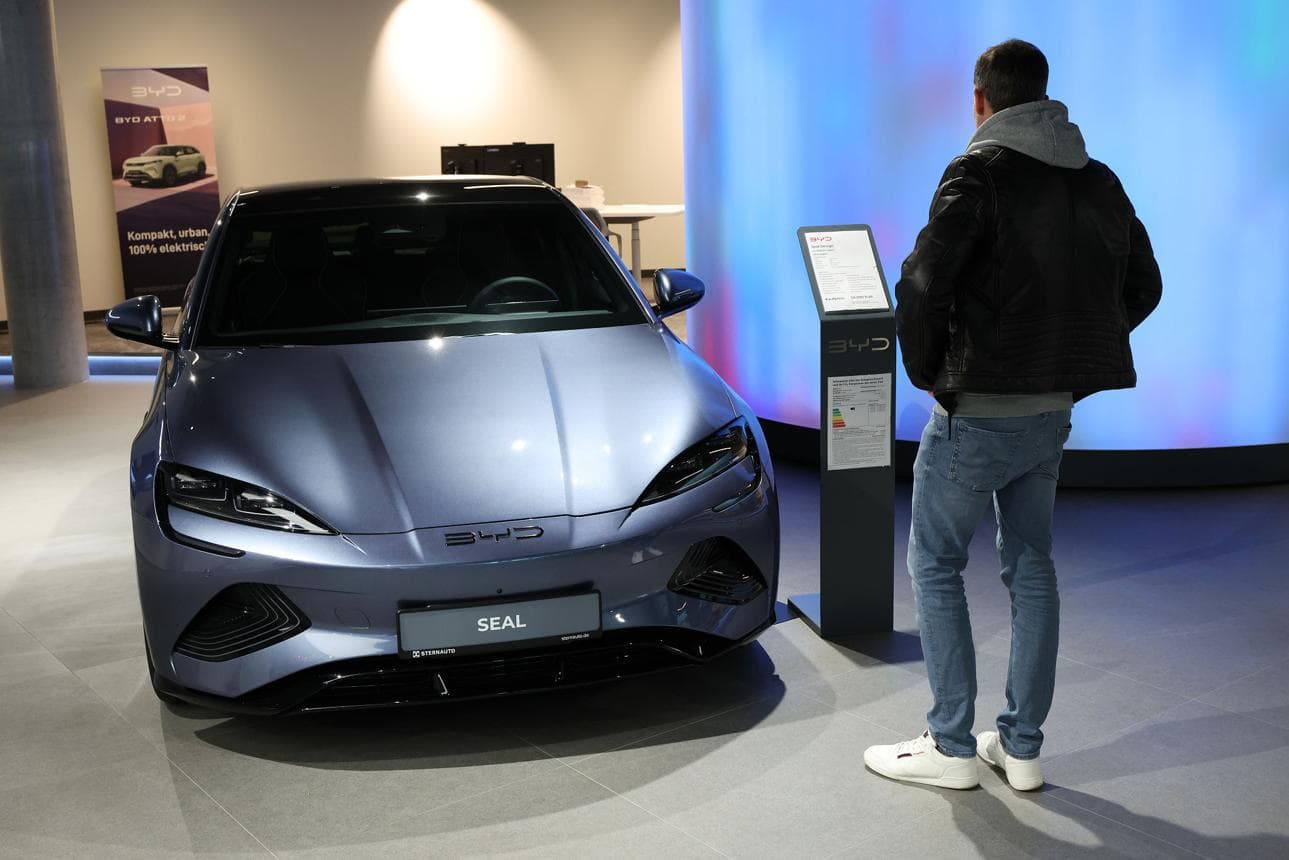
Chinese interlocutors pressed back on what they characterised as discriminatory framings. Officials argued that the Made in Europe orientation risks foreclosing legitimate market access for Chinese firms in electric mobility, solar, and battery storage — sectors where Chinese manufacturers retain decisive cost advantages. They also flagged the Commission’s countervailing duties on electric vehicles, a measure that remains a litmus test for Beijing’s willingness to retaliate in domains where European exporters are exposed.

Underneath the choreography, two structural realities defined the conversation. First, the bilateral trade deficit, which exceeded €350 billion in 2025, has eroded the political coalition inside the EU that once favoured constructive engagement. Member states from Berlin to Rome that historically resisted confrontational instruments have moved toward the more sceptical positions long held by Paris, Stockholm and The Hague. Second, the wider geopolitical environment — including renewed uncertainty over Washington’s tariff regime and Beijing’s tightening grip on rare-earth exports — has compressed the space for incremental, low-stakes diplomacy.

The conference therefore functioned as a calibration exercise rather than a breakthrough event. Diplomats described the tone as candid and at times sharp, but disciplined. The European External Action Service framed the day as evidence that constructive dialogue remains possible even amid escalating frictions. Chinese commentary emphasised the need for what officials termed “mutual respect” — a phrase that in Beijing’s lexicon often signals expectations of restraint on sanctions, export controls, and rhetoric concerning Taiwan and the South China Sea.

For Brussels, the inflection point is no longer a contested diagnosis. The strategic challenge is now operational. How does the bloc sustain climate cooperation, multilateral coordination on debt and pandemic preparedness, and selective economic exchange, while simultaneously implementing de-risking instruments that bite into precisely the sectors where Chinese state capacity is most concentrated? The Beijing meeting did not answer that question. It made plain that European policymakers no longer expect a clean answer to emerge.