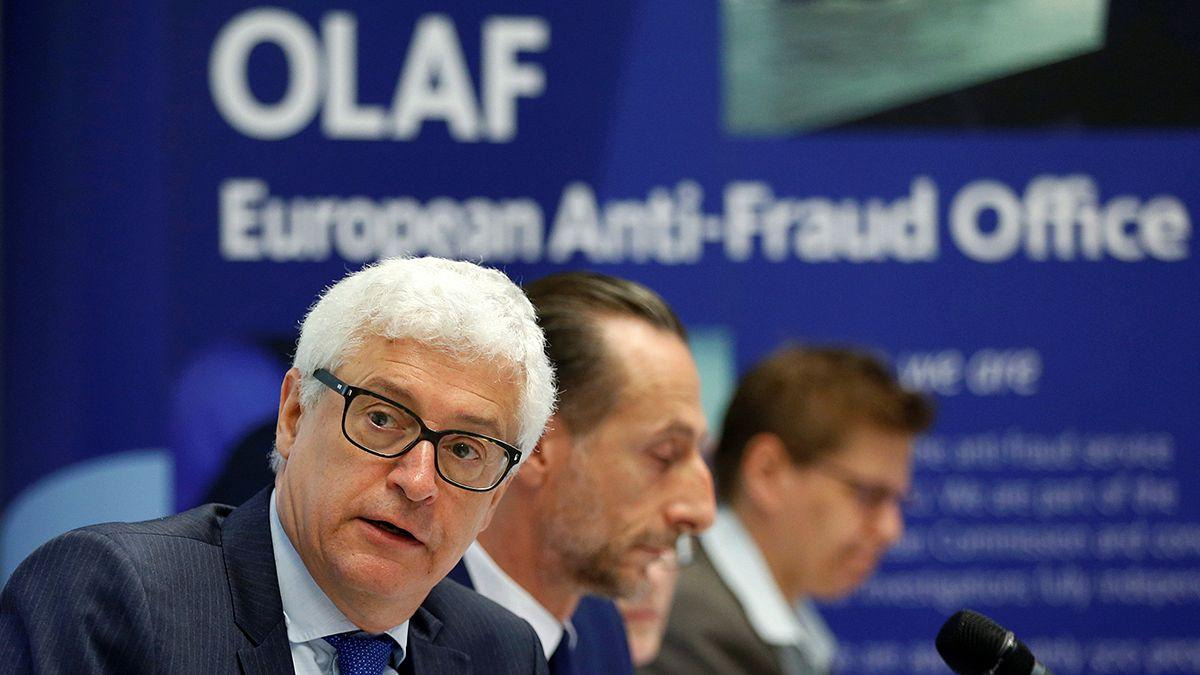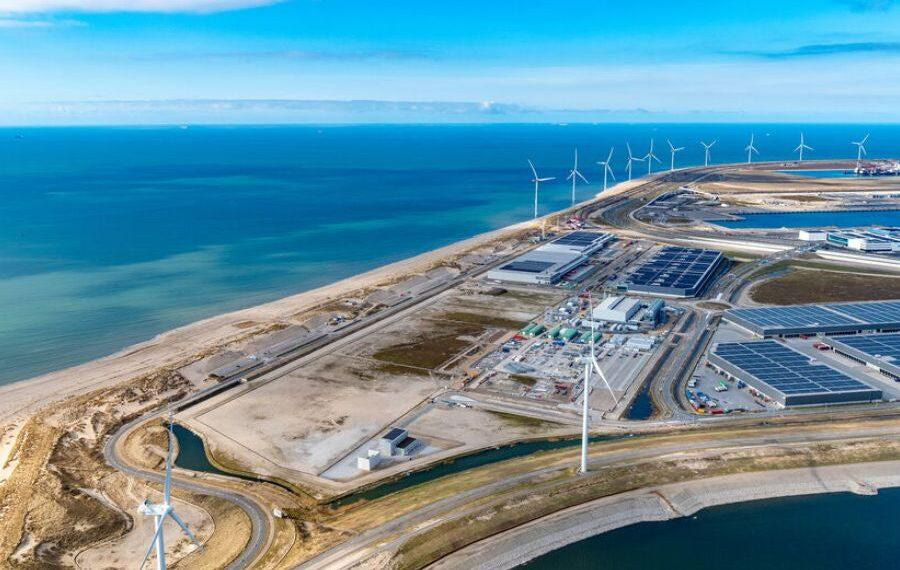
Antwerp: The container terminals that fan out along the Scheldt handle a volume of trade that makes Europe’s anti-fraud investigators nervous, and for good reason. Much of the work documented in the European Anti-Fraud Office’s latest annual review passed through ports like this one, where the gap between a declared cargo and its true contents can translate into millions in evaded duties or diverted subsidies.
The report, covering the office’s activity last year, recommended the recovery of almost 600 million euros in misused European funds, a figure that captures both money already spent improperly and resources clawed back before they could be lost. Investigators put the precise recommendation at 597 million euros and noted that their work prevented a further 18 million from being unduly disbursed. Over the course of the year the office closed 209 investigations while opening 254 new ones, a caseload that has kept its analysts busy across customs, agriculture and structural spending.
Antwerp features in the kind of cases that dominate the customs chapter. The office has spent considerable effort tracing schemes that route goods through misdescription or undervaluation, and a parallel strand of work has targeted the circumvention of sanctions. One coordinated international investigation examined the suspected illicit movement of more than 760 transport vehicles, the sort of operation that relies on falsified paperwork and shell intermediaries to slip restricted goods past controls. Ports remain the chokepoint where such schemes are most often caught, and where the financial stakes are highest.
The longer arc of the numbers is what officials emphasise when they defend the office’s budget. Over the past decade its recommendations have helped retrieve or protect roughly 6.8 billion euros, a return that dwarfs the cost of running the service. That argument matters because the office occupies an unusual position: it can investigate and recommend, but the actual recovery of money depends on national authorities and prosecutors acting on its findings. A recommendation is not a recovered euro until a member state or the European Public Prosecutor’s Office follows through, and the lag between the two can stretch across years.
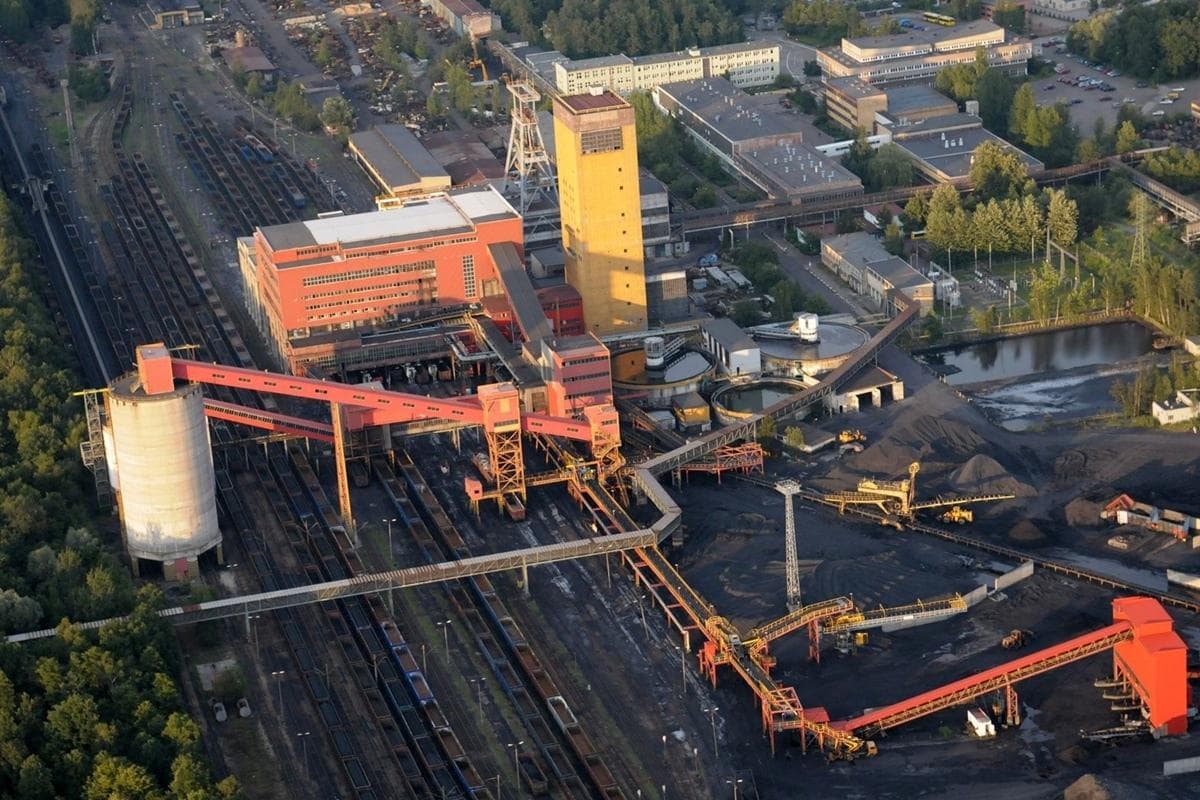
Last year’s cases ranged across familiar fault lines. Conflict of interest in the awarding of contracts, manipulation of procurement procedures and the inflation of project costs accounted for a large share of the financial irregularities, while environmental fraud and cross-border illicit trade rounded out the picture. The agricultural funds that flow to rural development remain a recurring target, with one investigation uncovering the misuse of such money in central Europe.
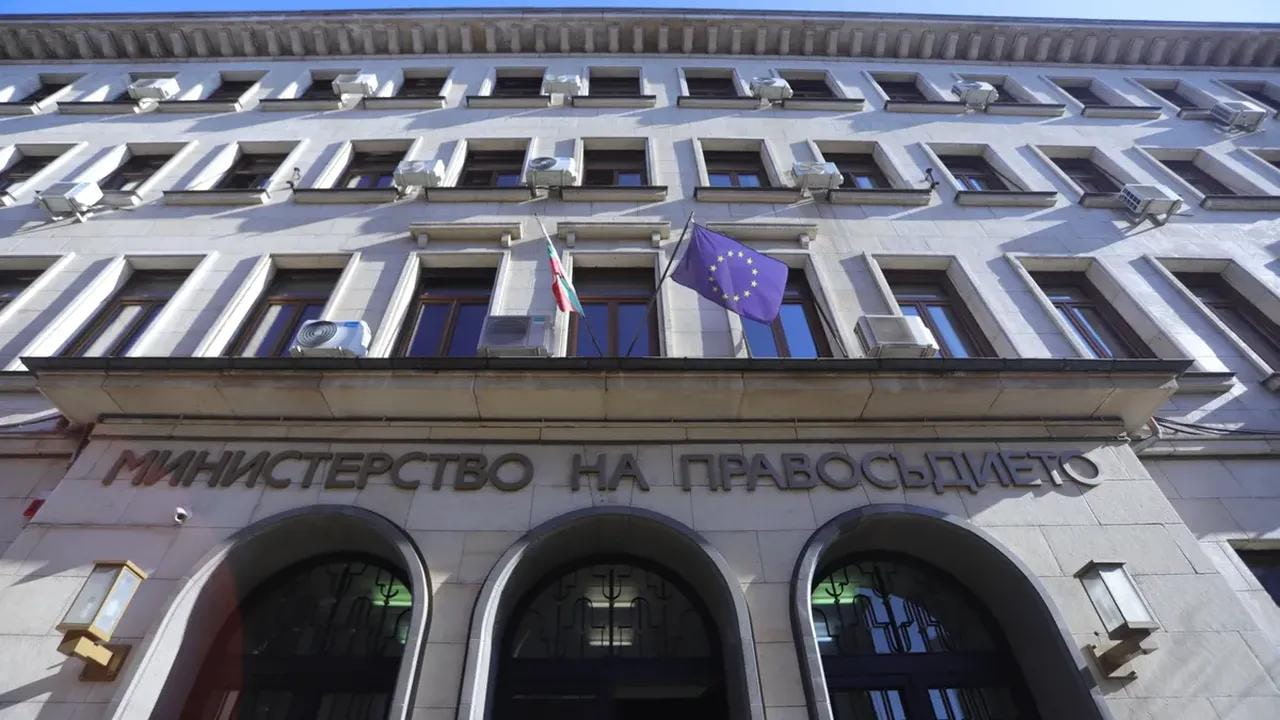
The office is not without its critics, and a court ruling that ordered it to pay damages to a researcher over a press release it had to withdraw is a reminder that its powers carry obligations. Yet the headline figure does its political work. In a year when budget negotiators are demanding that every euro be justified, a report showing hundreds of millions flagged for return offers a tidy answer to those who ask whether the bloc takes the protection of its own money seriously. Whether the recommended sums are actually recovered will be settled far from the quaysides where the fraud was first detected.