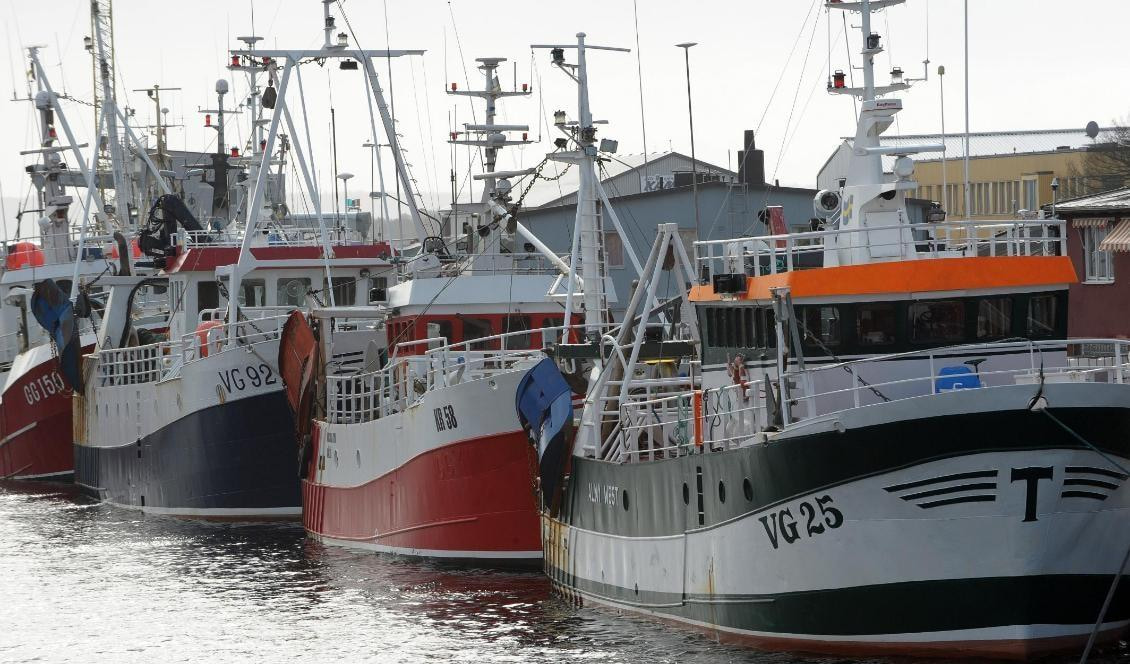
Peniche: The boats that leave this Portuguese port before dawn mostly measure under nine metres. Their skippers have never carried a monitoring device, never filed an electronic logbook and never expected to. By January 2028 every one of them will transmit its position to a fisheries authority.
The rule arrives through the overhauled fisheries control framework, which replaced the 2011 implementing regulation and started applying on 10 January this year. It rewrites how the Union tracks vessels, exchanges data, runs inspections and records catches. The change that reaches furthest down the fleet is the extension of tracking to boats that were previously exempt.
Larger vessels already transmit. Under the new rules they report position at least every two hours, and every thirty minutes inside a restricted area such as a Natura 2000 site or a biologically sensitive zone, or within five nautical miles of one. That last provision matters more than the headline interval, because it makes the boundary of a protected area enforceable rather than aspirational.
For the small-scale fleet the Commission chose a lighter instrument. Vessels under twelve metres will use mobile applications running over land-based networks rather than satellite terminals, which cost more than some of these boats are worth. The approach is pragmatic and untested at scale. Coverage gaps offshore are the obvious weakness, and coastal authorities will discover them the hard way.
Remote electronic monitoring is the other phased obligation. Vessels above eighteen metres assessed as carrying a high risk of non-compliance must install onboard cameras, with adjustments to gear marking and camera requirements landing across 2027 and 2028. Camera monitoring exists to verify the landing obligation, which member states have enforced unevenly since it took full effect.
Fishing organisations have argued that the burden lands unevenly. A twenty-metre trawler with cameras and a compliance officer absorbs the cost as overhead. A family boat with two crew absorbs it as a share of income. Conservation groups counter that untracked capacity is exactly where illegal effort concentrates, and that Oceana and others welcomed universal tracking precisely because it removes the blind spot.
Both arguments are correct, which is why the phase-in runs to 2029 rather than arriving at once. The staging gives national administrations time to build the systems that receive all this data, and that is the part most likely to fail. Position reports every thirty minutes from thousands of additional vessels generate a volume that several member states currently cannot process, let alone analyse.
Data without analysis produces compliance theatre. An authority that receives tracks and never cross-checks them against logbook entries or landing declarations has bought expensive storage. The regulation’s value depends on inspection services having the staff and software to turn positions into cases, and staffing levels in national fisheries control have not risen to match.
The 2028 deadline for the under-twelve-metre fleet is the one to watch. It affects the largest number of vessels, the least prepared operators and the administrations with the thinnest resources. If the mobile application approach works there, the Union will have closed a monitoring gap that has existed since the common fisheries policy began. If it does not, the exemption will return under another name.