August 10, 2026
LATEST
Europe Finally Locks In Its 348-Satellite Answer to StarlinkPlatform Work Rules Face a National Scramble Before DecemberDuty-Free Parcels Reach the End of the Line for EU ShoppersAfter Nine Years, Europe and Australia Seal a Trade PactBeijing Answers Europe’s Russia Sanctions in KindOne Year On, the EU-Japan Alliance Faces Its First TestEurope’s Chip Ambitions Still Run Through Taiwan’s FabsWhy South Korea Bet Its Research Future on Europe’s ProgrammeEurope and Japan Deepen Their Economic Alliance as Rivals CircleFive Joint Defence Projects Launch Europe’s Military ShieldElectrification Plan Aims to Make Europe First Electro ContinentHorizon Europe Budget Fight Heats Up as Ministers Push BackGoogle’s DMA Fine Sets Off a Transatlantic Tariff ClashTwenty New University Alliances Join Erasmus for Two YearsForeign Subsidies Case Puts Temu in the EU’s SightsVan Tachographs Now Mandatory for Cross-Border FleetsStress Test Exposes Gaps in Euro Area Bank DefencesEurope Bets on a Gulf Partnership Before the Riyadh SummitWhy the Atlantic Route Now Runs Through MauritaniaKyiv and Chisinau Advance as the EU Accession Talks Gather PaceEurope Finally Locks In Its 348-Satellite Answer to StarlinkPlatform Work Rules Face a National Scramble Before DecemberDuty-Free Parcels Reach the End of the Line for EU ShoppersAfter Nine Years, Europe and Australia Seal a Trade PactBeijing Answers Europe’s Russia Sanctions in KindOne Year On, the EU-Japan Alliance Faces Its First TestEurope’s Chip Ambitions Still Run Through Taiwan’s FabsWhy South Korea Bet Its Research Future on Europe’s ProgrammeEurope and Japan Deepen Their Economic Alliance as Rivals CircleFive Joint Defence Projects Launch Europe’s Military ShieldElectrification Plan Aims to Make Europe First Electro ContinentHorizon Europe Budget Fight Heats Up as Ministers Push BackGoogle’s DMA Fine Sets Off a Transatlantic Tariff ClashTwenty New University Alliances Join Erasmus for Two YearsForeign Subsidies Case Puts Temu in the EU’s SightsVan Tachographs Now Mandatory for Cross-Border FleetsStress Test Exposes Gaps in Euro Area Bank DefencesEurope Bets on a Gulf Partnership Before the Riyadh SummitWhy the Atlantic Route Now Runs Through MauritaniaKyiv and Chisinau Advance as the EU Accession Talks Gather Pace
August 10, 2026
LATEST
Europe Finally Locks In Its 348-Satellite Answer to StarlinkPlatform Work Rules Face a National Scramble Before DecemberDuty-Free Parcels Reach the End of the Line for EU ShoppersAfter Nine Years, Europe and Australia Seal a Trade PactBeijing Answers Europe’s Russia Sanctions in KindOne Year On, the EU-Japan Alliance Faces Its First TestEurope’s Chip Ambitions Still Run Through Taiwan’s FabsWhy South Korea Bet Its Research Future on Europe’s ProgrammeEurope and Japan Deepen Their Economic Alliance as Rivals CircleFive Joint Defence Projects Launch Europe’s Military ShieldElectrification Plan Aims to Make Europe First Electro ContinentHorizon Europe Budget Fight Heats Up as Ministers Push BackGoogle’s DMA Fine Sets Off a Transatlantic Tariff ClashTwenty New University Alliances Join Erasmus for Two YearsForeign Subsidies Case Puts Temu in the EU’s SightsVan Tachographs Now Mandatory for Cross-Border FleetsStress Test Exposes Gaps in Euro Area Bank DefencesEurope Bets on a Gulf Partnership Before the Riyadh SummitWhy the Atlantic Route Now Runs Through MauritaniaKyiv and Chisinau Advance as the EU Accession Talks Gather PaceEurope Finally Locks In Its 348-Satellite Answer to StarlinkPlatform Work Rules Face a National Scramble Before DecemberDuty-Free Parcels Reach the End of the Line for EU ShoppersAfter Nine Years, Europe and Australia Seal a Trade PactBeijing Answers Europe’s Russia Sanctions in KindOne Year On, the EU-Japan Alliance Faces Its First TestEurope’s Chip Ambitions Still Run Through Taiwan’s FabsWhy South Korea Bet Its Research Future on Europe’s ProgrammeEurope and Japan Deepen Their Economic Alliance as Rivals CircleFive Joint Defence Projects Launch Europe’s Military ShieldElectrification Plan Aims to Make Europe First Electro ContinentHorizon Europe Budget Fight Heats Up as Ministers Push BackGoogle’s DMA Fine Sets Off a Transatlantic Tariff ClashTwenty New University Alliances Join Erasmus for Two YearsForeign Subsidies Case Puts Temu in the EU’s SightsVan Tachographs Now Mandatory for Cross-Border FleetsStress Test Exposes Gaps in Euro Area Bank DefencesEurope Bets on a Gulf Partnership Before the Riyadh SummitWhy the Atlantic Route Now Runs Through MauritaniaKyiv and Chisinau Advance as the EU Accession Talks Gather Pace

Lawmakers postpone AI Act deadlines as Omnibus deal lands in May

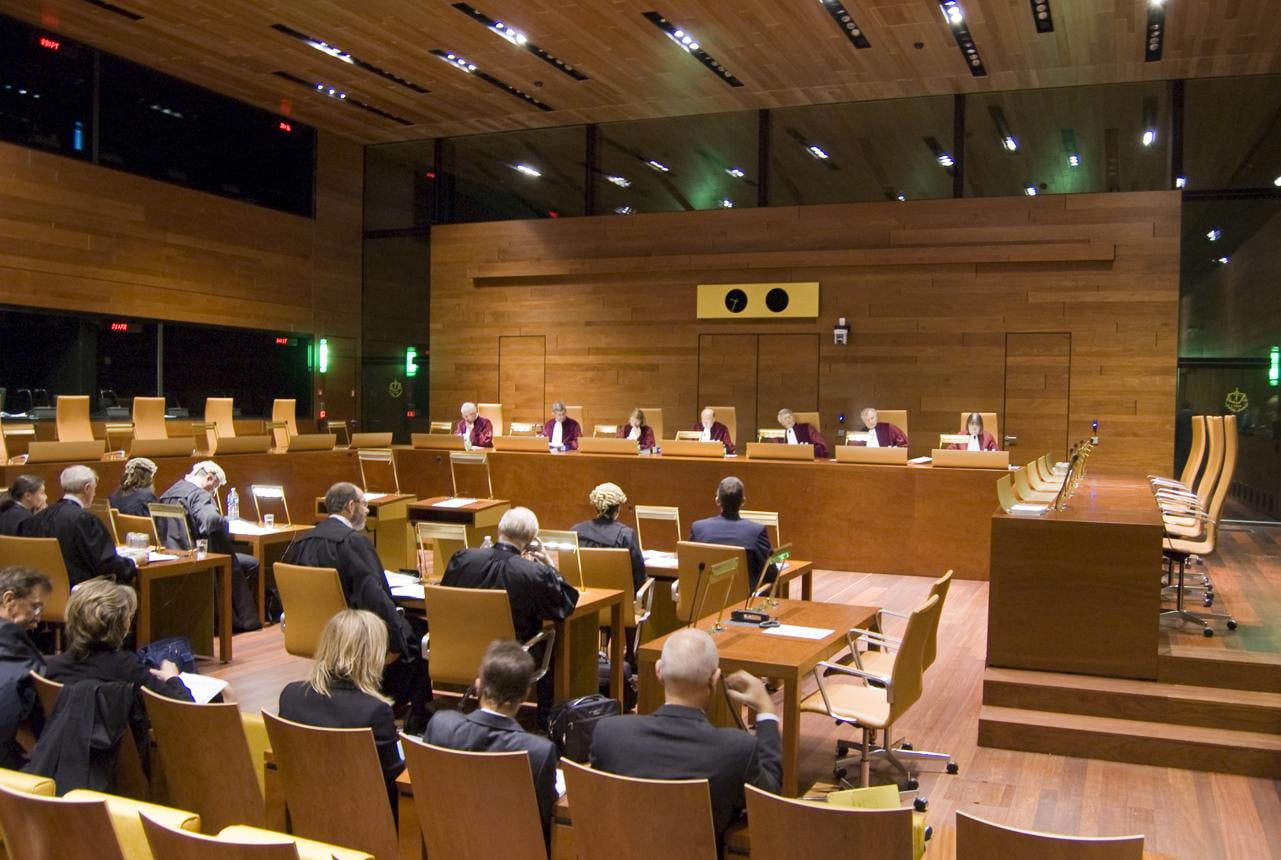
Luxembourg: Co-legislators meeting under the EU’s rotating presidency finalised a political agreement on 7 May to amend the Artificial Intelligence Act, postponing the most consequential compliance deadlines for high-risk systems and extending the prohibition list to cover so-called “nudifier” applications. The deal, formally part of the Commission’s Digital Omnibus simplification package introduced in November 2025, sits with technical teams for legal scrubbing and is expected to receive plenary endorsement before the summer recess.

The most operationally significant change concerns high-risk AI systems, the category that captures employment-screening tools, biometric identification, critical-infrastructure controls and educational assessment software. The amended text postpones the deadline for Member States to establish national regulatory sandboxes to 2 August 2027, twelve months later than under the original timetable, and adjusts the grace period for transparency obligations on artificially generated content. Providers will now have three months rather than six to roll out watermarking after a model is placed on the market, with the watermarking requirement itself taking effect on 2 December 2026 for systems already in circulation before August.

Industry response in the Grand Duchy and elsewhere has been mixed. Smaller European model providers, who lobbied through DigitalEurope for longer runway, welcomed the postponements as a necessary correction to a timeline they argued was impossible to meet without paralysing innovation. Civil-society groups including European Digital Rights pushed back, particularly on the centralisation of enforcement against AI built into very large online platforms and very large search engines under the Digital Services Act. Under the new architecture, the AI Office will assume direct supervisory authority over such systems when the AI model and the platform belong to the same provider, a clause widely understood to be aimed at a small number of US technology groups.

The expansion of the prohibition list also drew notice. From 2 December 2026, generative AI tools designed primarily to produce non-consensual intimate imagery, the nudifier category, will be banned outright. The amendment is the first explicit prohibition tied to a specific generative use case rather than to a risk class, and it follows complaints from prosecutors in several Member States, particularly in the Nordics, about the limits of existing criminal-law tools against image-based abuse.

What remains contested is the treatment of general-purpose AI. The original AI Act imposes systemic-risk obligations on the largest foundation models. Under the Omnibus draft, those obligations are clarified rather than diluted, but the threshold for being designated a systemic-risk model has been re-anchored to a combination of compute used at training and observed downstream deployment, replacing the cruder floating-point operations threshold of the 2024 text. Compliance officers at major model providers have privately welcomed the change. Academic researchers warn that the new threshold may exempt models that nonetheless cause material harm.

Enforcement capacity is the elephant in the agreement. The AI Office currently has fewer than 140 staff. By 2 August 2026, when high-risk obligations kick in, the office is meant to be conducting compliance dialogues with at least seventy designated providers, coordinating with twenty-seven national competent authorities, and preparing first-instance findings in any cross-border enforcement action. Member State delegations to the Council Working Party on Telecommunications have begun asking, increasingly insistently, where the additional headcount and budget will come from. The Commission has not yet provided a public answer.

A formal Council position is expected in June, with European Parliament endorsement scheduled before the July plenary. Should the timetable hold, the amended Act will be in force well before its operationally most demanding provisions take effect. Compliance leads at major European banks, insurers and recruitment platforms, all of whom operate high-risk AI under the original text, are recalibrating internal roadmaps accordingly.