August 10, 2026
LATEST
Five Joint Defence Projects Launch Europe’s Military ShieldElectrification Plan Aims to Make Europe First Electro ContinentHorizon Europe Budget Fight Heats Up as Ministers Push BackGoogle’s DMA Fine Sets Off a Transatlantic Tariff ClashTwenty New University Alliances Join Erasmus for Two YearsForeign Subsidies Case Puts Temu in the EU’s SightsVan Tachographs Now Mandatory for Cross-Border FleetsStress Test Exposes Gaps in Euro Area Bank DefencesEurope Bets on a Gulf Partnership Before the Riyadh SummitWhy the Atlantic Route Now Runs Through MauritaniaKyiv and Chisinau Advance as the EU Accession Talks Gather PaceEurope’s New Digital Border System Beds In After a Rocky RolloutBrussels Mounts Its Largest Wildfire Response as the Fires SpreadRetail Spending Slipped in June, Wrong-Footing EconomistsHeatwave Warning Puts Brussels on Alert for Vulnerable GroupsKANAL’s 230 Million Euro Museum Sets a November Opening DatePension Savings Rules Get a Reset as the EU Scraps the 1% CapMedicine Shortages Move to the Heart of Europe’s Pharma ResetJapan Becomes Europe’s Closest Security Partner in AsiaCan Europe’s New Zealand Deal Anchor It in the Pacific?Five Joint Defence Projects Launch Europe’s Military ShieldElectrification Plan Aims to Make Europe First Electro ContinentHorizon Europe Budget Fight Heats Up as Ministers Push BackGoogle’s DMA Fine Sets Off a Transatlantic Tariff ClashTwenty New University Alliances Join Erasmus for Two YearsForeign Subsidies Case Puts Temu in the EU’s SightsVan Tachographs Now Mandatory for Cross-Border FleetsStress Test Exposes Gaps in Euro Area Bank DefencesEurope Bets on a Gulf Partnership Before the Riyadh SummitWhy the Atlantic Route Now Runs Through MauritaniaKyiv and Chisinau Advance as the EU Accession Talks Gather PaceEurope’s New Digital Border System Beds In After a Rocky RolloutBrussels Mounts Its Largest Wildfire Response as the Fires SpreadRetail Spending Slipped in June, Wrong-Footing EconomistsHeatwave Warning Puts Brussels on Alert for Vulnerable GroupsKANAL’s 230 Million Euro Museum Sets a November Opening DatePension Savings Rules Get a Reset as the EU Scraps the 1% CapMedicine Shortages Move to the Heart of Europe’s Pharma ResetJapan Becomes Europe’s Closest Security Partner in AsiaCan Europe’s New Zealand Deal Anchor It in the Pacific?
August 10, 2026
LATEST
Five Joint Defence Projects Launch Europe’s Military ShieldElectrification Plan Aims to Make Europe First Electro ContinentHorizon Europe Budget Fight Heats Up as Ministers Push BackGoogle’s DMA Fine Sets Off a Transatlantic Tariff ClashTwenty New University Alliances Join Erasmus for Two YearsForeign Subsidies Case Puts Temu in the EU’s SightsVan Tachographs Now Mandatory for Cross-Border FleetsStress Test Exposes Gaps in Euro Area Bank DefencesEurope Bets on a Gulf Partnership Before the Riyadh SummitWhy the Atlantic Route Now Runs Through MauritaniaKyiv and Chisinau Advance as the EU Accession Talks Gather PaceEurope’s New Digital Border System Beds In After a Rocky RolloutBrussels Mounts Its Largest Wildfire Response as the Fires SpreadRetail Spending Slipped in June, Wrong-Footing EconomistsHeatwave Warning Puts Brussels on Alert for Vulnerable GroupsKANAL’s 230 Million Euro Museum Sets a November Opening DatePension Savings Rules Get a Reset as the EU Scraps the 1% CapMedicine Shortages Move to the Heart of Europe’s Pharma ResetJapan Becomes Europe’s Closest Security Partner in AsiaCan Europe’s New Zealand Deal Anchor It in the Pacific?Five Joint Defence Projects Launch Europe’s Military ShieldElectrification Plan Aims to Make Europe First Electro ContinentHorizon Europe Budget Fight Heats Up as Ministers Push BackGoogle’s DMA Fine Sets Off a Transatlantic Tariff ClashTwenty New University Alliances Join Erasmus for Two YearsForeign Subsidies Case Puts Temu in the EU’s SightsVan Tachographs Now Mandatory for Cross-Border FleetsStress Test Exposes Gaps in Euro Area Bank DefencesEurope Bets on a Gulf Partnership Before the Riyadh SummitWhy the Atlantic Route Now Runs Through MauritaniaKyiv and Chisinau Advance as the EU Accession Talks Gather PaceEurope’s New Digital Border System Beds In After a Rocky RolloutBrussels Mounts Its Largest Wildfire Response as the Fires SpreadRetail Spending Slipped in June, Wrong-Footing EconomistsHeatwave Warning Puts Brussels on Alert for Vulnerable GroupsKANAL’s 230 Million Euro Museum Sets a November Opening DatePension Savings Rules Get a Reset as the EU Scraps the 1% CapMedicine Shortages Move to the Heart of Europe’s Pharma ResetJapan Becomes Europe’s Closest Security Partner in AsiaCan Europe’s New Zealand Deal Anchor It in the Pacific?

Mercosur Splits Europe as a Court Weighs the Trade Pact

Brussels: The European Union’s long and contested agreement with the Mercosur bloc is now technically alive and politically unsettled at the same time. The interim trade agreement has been provisionally applied since the start of May, meaning European and South American exporters are already trading under its terms, even as the question of whether the deal was applied lawfully sits before the bloc’s highest court. It is an unusual posture: a pact in force and on trial at once.

On the South American side the matter is largely settled. After the agreement was signed early this year, Argentina, Uruguay, Brazil and Paraguay all completed ratification within weeks, clearing the deal through their national legislatures with comparatively little drama. The drag is European. The Council gave its green light despite open opposition from France, Poland, Ireland, Austria and Hungary, with Belgium abstaining, an unusually broad coalition of discontent for a flagship trade file.

The legal question is procedural but consequential. Members of the European Parliament voted, by a razor-thin margin, to ask the European Court of Justice whether an agreement of this kind may be provisionally applied before every member state has ratified it. The Court’s opinion process typically runs a year or more, which means a definitive answer before 2027 is unlikely and the deal’s legitimacy will hang in legal limbo throughout.

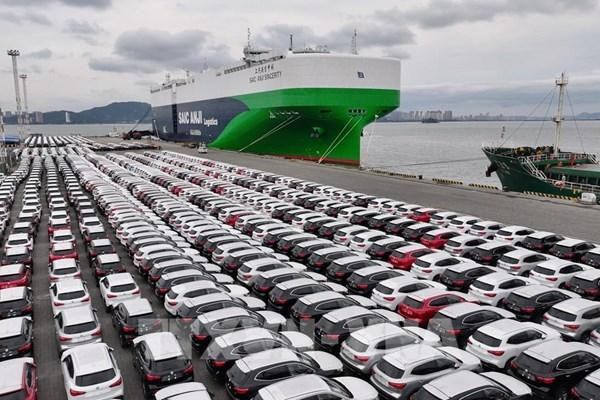
Beneath the procedure lies an old fight. French and Irish farmers warn that South American beef, poultry and sugar produced under looser environmental and animal-welfare rules will undercut European producers, while green groups argue the agreement rewards agricultural expansion into sensitive ecosystems. Supporters counter that the deal opens a market of hundreds of millions to European cars, machinery, chemicals and wine, and binds a strategically important region to Europe at a moment when others are competing for its loyalty.

The deeper tension is constitutional. Provisional application lets Brussels deliver commercial benefits quickly, but it also lets the Commission move ahead of national parliaments, and critics see in that a democratic shortcut that breeds resentment. Defenders reply that without such tools the EU would be unable to conclude any major trade agreement in a reasonable timeframe, given how many veto points its own structure contains.

Both readings carry weight. A bloc that cannot ratify deals promptly will struggle to be taken seriously as a trade power, yet a bloc that bypasses its own members invites the backlash now playing out in five capitals. The Mercosur agreement has become the case study in which that trade-off is argued in public.

For exporters on both sides of the Atlantic the practical effect is uncertainty. Tariff reductions are real today but could be suspended or unwound depending on how the Court rules and how member states respond. Europe wanted this agreement as proof that it could still deliver ambitious openings to the wider world. Instead it has produced a test of whether the Union can hold together long enough to keep the deals it makes.