August 10, 2026
LATEST
Five Joint Defence Projects Launch Europe’s Military ShieldElectrification Plan Aims to Make Europe First Electro ContinentHorizon Europe Budget Fight Heats Up as Ministers Push BackGoogle’s DMA Fine Sets Off a Transatlantic Tariff ClashTwenty New University Alliances Join Erasmus for Two YearsForeign Subsidies Case Puts Temu in the EU’s SightsVan Tachographs Now Mandatory for Cross-Border FleetsStress Test Exposes Gaps in Euro Area Bank DefencesEurope Bets on a Gulf Partnership Before the Riyadh SummitWhy the Atlantic Route Now Runs Through MauritaniaKyiv and Chisinau Advance as the EU Accession Talks Gather PaceEurope’s New Digital Border System Beds In After a Rocky RolloutBrussels Mounts Its Largest Wildfire Response as the Fires SpreadRetail Spending Slipped in June, Wrong-Footing EconomistsHeatwave Warning Puts Brussels on Alert for Vulnerable GroupsKANAL’s 230 Million Euro Museum Sets a November Opening DatePension Savings Rules Get a Reset as the EU Scraps the 1% CapMedicine Shortages Move to the Heart of Europe’s Pharma ResetJapan Becomes Europe’s Closest Security Partner in AsiaCan Europe’s New Zealand Deal Anchor It in the Pacific?Five Joint Defence Projects Launch Europe’s Military ShieldElectrification Plan Aims to Make Europe First Electro ContinentHorizon Europe Budget Fight Heats Up as Ministers Push BackGoogle’s DMA Fine Sets Off a Transatlantic Tariff ClashTwenty New University Alliances Join Erasmus for Two YearsForeign Subsidies Case Puts Temu in the EU’s SightsVan Tachographs Now Mandatory for Cross-Border FleetsStress Test Exposes Gaps in Euro Area Bank DefencesEurope Bets on a Gulf Partnership Before the Riyadh SummitWhy the Atlantic Route Now Runs Through MauritaniaKyiv and Chisinau Advance as the EU Accession Talks Gather PaceEurope’s New Digital Border System Beds In After a Rocky RolloutBrussels Mounts Its Largest Wildfire Response as the Fires SpreadRetail Spending Slipped in June, Wrong-Footing EconomistsHeatwave Warning Puts Brussels on Alert for Vulnerable GroupsKANAL’s 230 Million Euro Museum Sets a November Opening DatePension Savings Rules Get a Reset as the EU Scraps the 1% CapMedicine Shortages Move to the Heart of Europe’s Pharma ResetJapan Becomes Europe’s Closest Security Partner in AsiaCan Europe’s New Zealand Deal Anchor It in the Pacific?
August 10, 2026
LATEST
Five Joint Defence Projects Launch Europe’s Military ShieldElectrification Plan Aims to Make Europe First Electro ContinentHorizon Europe Budget Fight Heats Up as Ministers Push BackGoogle’s DMA Fine Sets Off a Transatlantic Tariff ClashTwenty New University Alliances Join Erasmus for Two YearsForeign Subsidies Case Puts Temu in the EU’s SightsVan Tachographs Now Mandatory for Cross-Border FleetsStress Test Exposes Gaps in Euro Area Bank DefencesEurope Bets on a Gulf Partnership Before the Riyadh SummitWhy the Atlantic Route Now Runs Through MauritaniaKyiv and Chisinau Advance as the EU Accession Talks Gather PaceEurope’s New Digital Border System Beds In After a Rocky RolloutBrussels Mounts Its Largest Wildfire Response as the Fires SpreadRetail Spending Slipped in June, Wrong-Footing EconomistsHeatwave Warning Puts Brussels on Alert for Vulnerable GroupsKANAL’s 230 Million Euro Museum Sets a November Opening DatePension Savings Rules Get a Reset as the EU Scraps the 1% CapMedicine Shortages Move to the Heart of Europe’s Pharma ResetJapan Becomes Europe’s Closest Security Partner in AsiaCan Europe’s New Zealand Deal Anchor It in the Pacific?Five Joint Defence Projects Launch Europe’s Military ShieldElectrification Plan Aims to Make Europe First Electro ContinentHorizon Europe Budget Fight Heats Up as Ministers Push BackGoogle’s DMA Fine Sets Off a Transatlantic Tariff ClashTwenty New University Alliances Join Erasmus for Two YearsForeign Subsidies Case Puts Temu in the EU’s SightsVan Tachographs Now Mandatory for Cross-Border FleetsStress Test Exposes Gaps in Euro Area Bank DefencesEurope Bets on a Gulf Partnership Before the Riyadh SummitWhy the Atlantic Route Now Runs Through MauritaniaKyiv and Chisinau Advance as the EU Accession Talks Gather PaceEurope’s New Digital Border System Beds In After a Rocky RolloutBrussels Mounts Its Largest Wildfire Response as the Fires SpreadRetail Spending Slipped in June, Wrong-Footing EconomistsHeatwave Warning Puts Brussels on Alert for Vulnerable GroupsKANAL’s 230 Million Euro Museum Sets a November Opening DatePension Savings Rules Get a Reset as the EU Scraps the 1% CapMedicine Shortages Move to the Heart of Europe’s Pharma ResetJapan Becomes Europe’s Closest Security Partner in AsiaCan Europe’s New Zealand Deal Anchor It in the Pacific?

Lawmakers Clear the Path Toward a Cash-Like Digital Euro Wallet

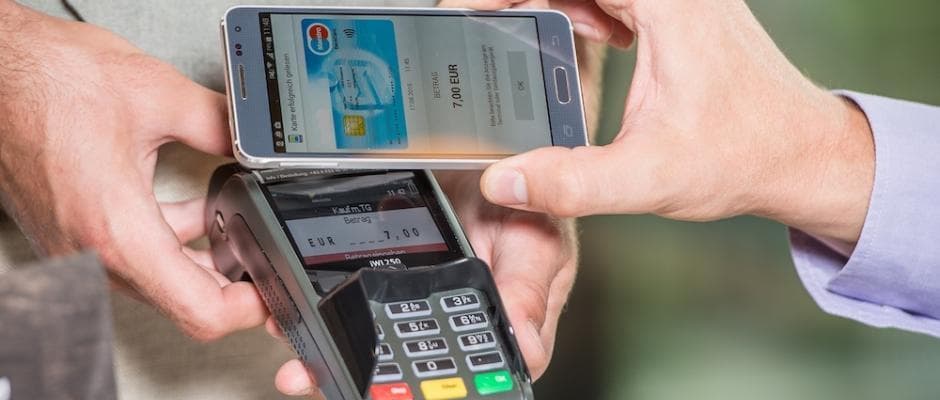
Brussels: In a city where contactless taps long ago displaced coins in most shops, the prospect of a central-bank currency that lives on a phone has moved a step closer to reality. The European Parliament’s economic and monetary affairs committee adopted its position on the single-currency package on 23 June, backing the file that would establish a digital euro by forty-three votes to fourteen, with one abstention.

The vote does not create the currency, but it unlocks the next stage. Provided the plenary raises no objection, lawmakers expect to open negotiations with the member states and the Commission within weeks, with the institutions aiming to agree final legislation before the end of the year. Only after that legal foundation is laid could the European Central Bank move to a pilot, tentatively pencilled in for 2027, with any first issuance not envisaged before the end of the decade.

The design that emerged from the committee tries to answer the criticism that has dogged the project since the central bank began studying it. The digital euro would exist in two forms. An online version, account-based and distributed through banks and licensed fintech firms, would handle everyday payments much like a card. An offline version, stored locally on a device, is meant to behave like cash, settling directly between two parties without an intermediary and carrying stronger privacy guarantees for the smallest transactions.

That offline mode is the political heart of the proposal. Privacy campaigners and some lawmakers have warned that a state-issued digital currency could become a tool for surveillance, logging every purchase a citizen makes. By promising that low-value offline payments would leave no central trace, the drafters sought to reassure a public attached to the anonymity of banknotes. Whether the safeguards survive the coming negotiations intact is one of the file’s open questions.

The banking sector harbours a different anxiety. Lenders fear that if households can hold money directly at the central bank, deposits could drain out of commercial banks in a crisis, weakening the institutions that fund the wider economy. To contain that risk the proposal envisages holding limits, caps on how much digital euro any individual could keep, though the precise figures have been left for later calibration. Banks would also retain the customer relationship, distributing the currency rather than being bypassed by it.

Supporters frame the project as a matter of strategic autonomy. Much of Europe’s retail payment infrastructure runs on card networks and platforms headquartered abroad, leaving the continent dependent on systems it does not control. A public digital currency, the argument goes, would give the euro area a sovereign payment rail that works everywhere the single currency circulates, online and in person, available to every resident.

Sceptics question whether citizens who already enjoy fast, free electronic payments will see the point. The central bank counters that resilience, not novelty, is the goal, a fallback that keeps working if private systems fail. With the committee vote secured, that argument now moves from the technical committees into the harder arena of inter-institutional bargaining.