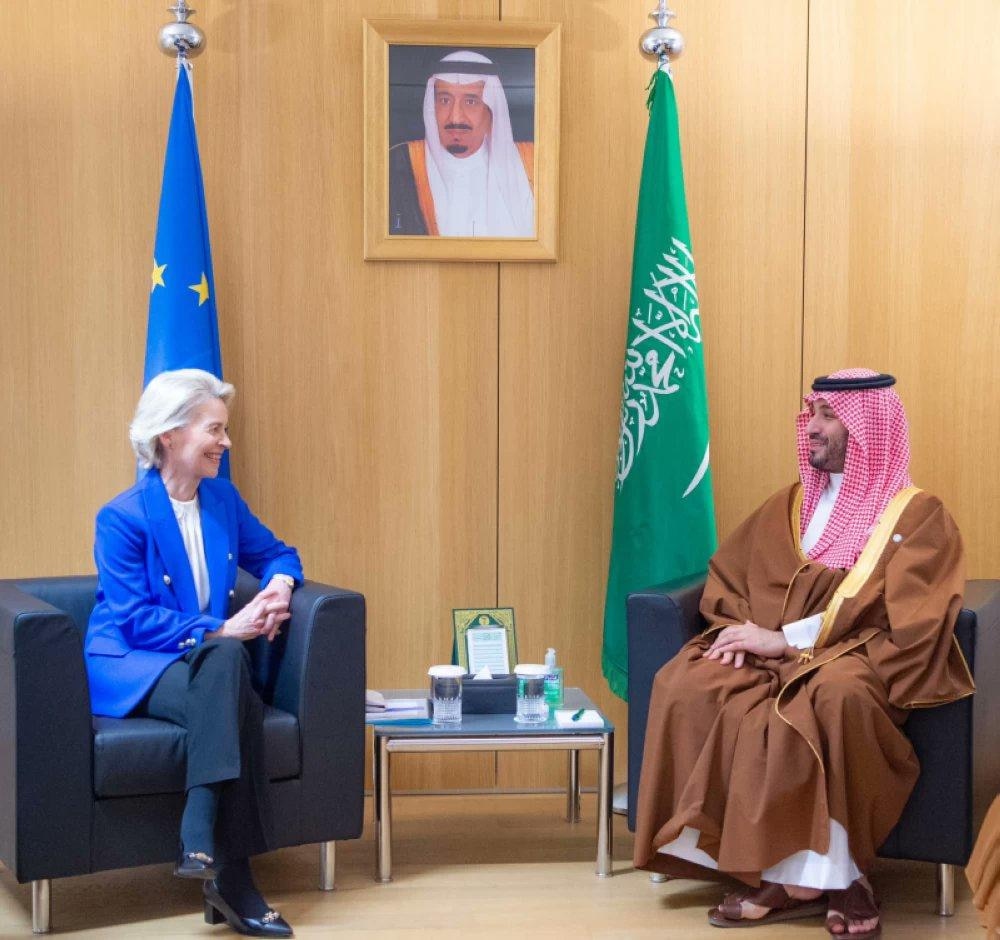
Tokyo: For most of the post-war era, Japan and Europe treated each other as trading partners first and strategic actors a distant second. That assumption is being quietly dismantled. The first meeting of the EU-Japan Defence Industry Dialogue, held in Brussels on 17 April 2026, produced a joint commitment to work together on defence-industrial and dual-use technology, the kind of language that signals intent rather than ceremony.
The architecture has been assembled with unusual speed. The two sides signed a Security and Defence Partnership in November 2024, covering maritime security, cyber defence, hybrid threats, space and crisis management. A Competitiveness Alliance followed at the July 2025 summit, and in January 2026 officials held their seventh Cyber Dialogue in Brussels. Each strand on its own is modest. Stacked together over eighteen months, they describe a relationship moving from polite consultation toward something closer to a working alliance.
Domestic politics in Tokyo has accelerated the shift. Prime Minister Sanae Takaichi’s snap election in February 2026 handed her a two-thirds majority in the lower house, the kind of mandate that lets a Japanese government move on questions long held back by caution. Her administration has signalled faster defence spending and a loosening of the export controls that, for decades, kept Japanese weapons technology at home. For European firms hungry for advanced components, a Japan willing to sell is a strategic gift.
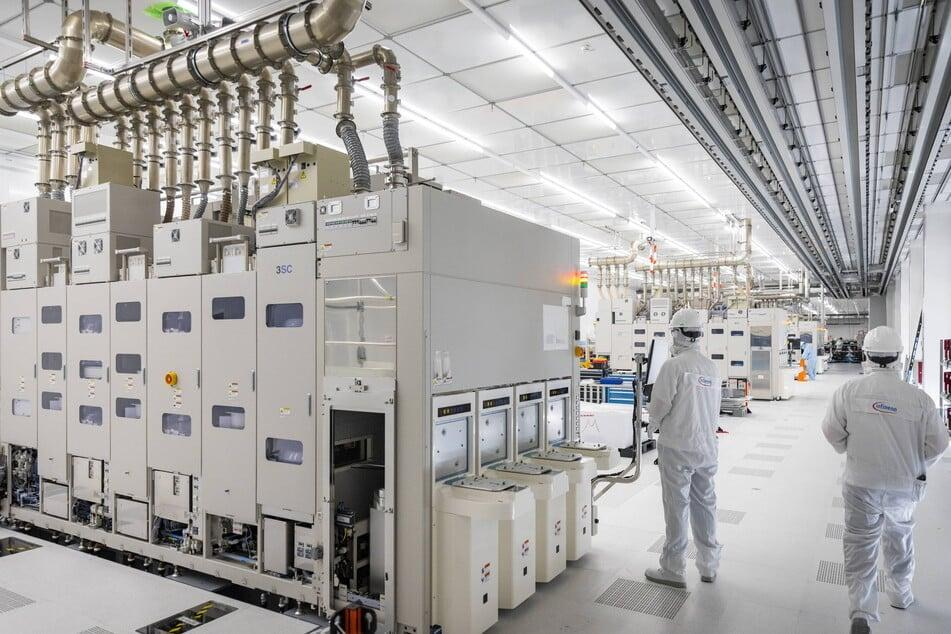
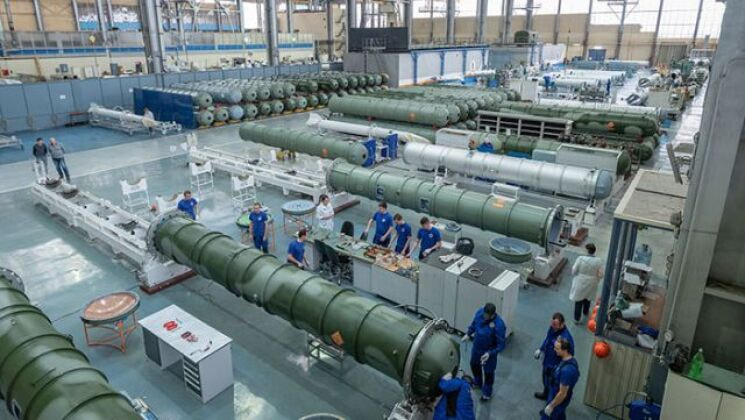
The mutual interest is concrete. Japan possesses world-class capabilities in sensors, materials and naval systems; Europe brings missiles, propulsion and a defence-industrial base now expanding under wartime pressure. Dual-use technology, where civilian research feeds military capability, is the obvious meeting point, and both sides face the same adversaries in the same domains, from cyber intrusion to the militarisation of space.
There are limits worth naming. The European Union is not a military alliance, and its defence-industrial cooperation runs through member states that guard their procurement jealously. Japan’s pacifist constitution and export rules, even loosened, still constrain how far Tokyo can go. Geography means neither side can defend the other; what they can do is share technology, harden supply chains and complicate the calculations of any power that assumes Europe and the Indo-Pacific are separate theatres.
That last point is the strategic core. By linking their defence industries, Brussels and Tokyo are betting that deterrence in one region reinforces deterrence in the other. A China weighing pressure in the East China Sea, or a Russia testing Europe’s resolve, now has to factor in partners who exchange technology and intelligence across the Eurasian landmass. The partnership will not put European troops in the Pacific or Japanese ships in the Baltic. It is meant instead to make both democracies harder to coerce, one shared programme at a time.