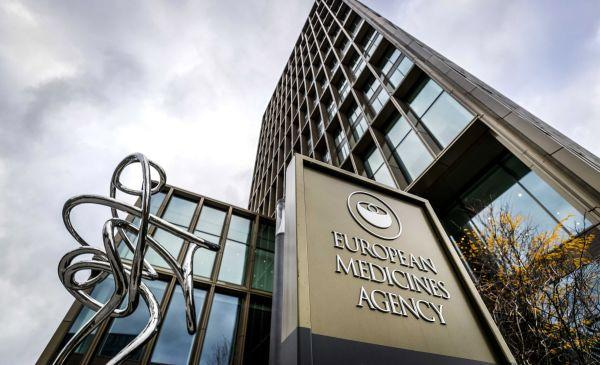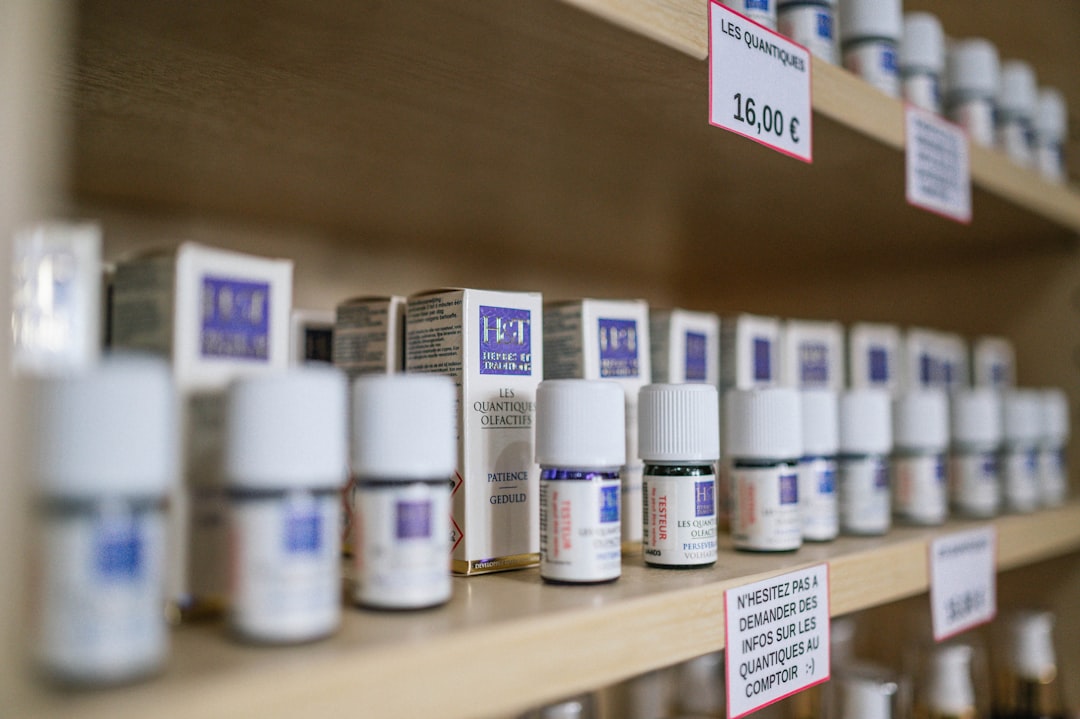
Prague: When pharmacists across the continent ran short of basic antibiotics and children’s painkillers during recent winters, the scramble exposed an uncomfortable truth about a wealthy bloc: Europe no longer makes much of the medicine it depends on, and the active ingredients are largely sourced from a handful of plants in Asia.
The European Union’s answer is taking firmer shape this summer. The Critical Medicines Act, proposed by the Commission in spring 2025, would build a Union list of medicines deemed too important to run out, from insulin to common anaesthetics. Suppliers of those products would be required to map their own supply chains, hold larger reserves and flag looming gaps earlier, while public money would steer manufacturing of both finished drugs and the chemical precursors back onto European soil.
The logic is part health policy, part industrial strategy. Officials argue that a continent capable of designing vaccines at speed should not find itself rationing decades-old generics whose margins are so thin that producers have quietly exited the market. Reserve requirements and joint procurement are meant to make staying in that low-margin business worthwhile, or at least less precarious.
Running alongside the shortage push is the broader pharmaceutical package, the largest rewrite of the bloc’s medicines law in over two decades, which Parliament and the Council have now both signed off in principle. It recalibrates the exclusivity incentives that reward companies for launching products quickly and widely, ties some protections to genuine availability across all member states, and promises faster routes to market. Most of its provisions will not bite until 2028, with the intervening period given over to guidance and the unglamorous work of implementation.
Patients with rarer conditions are watching a third strand closely. A blueprint for a European action plan on rare diseases was presented at a conference in this city in early June, an attempt to coordinate research, diagnosis and access for the millions of Europeans whose illnesses are individually obscure but collectively common. Advocacy groups broadly welcomed the final shape of the pharma deal, while cautioning that incentives on paper mean little without budgets behind them.
The tensions are real. Industry warns that tougher availability obligations and trimmed exclusivity could make Europe a less attractive place to launch, sending innovation toward the United States. Health campaigners counter that the current model already fails patients in smaller and poorer markets, where new treatments arrive late or never. Generic makers, for their part, want the reserve rules paired with prices that reflect the cost of holding stock.
What is striking is how far the framing has shifted. A decade ago, medicines policy in Brussels was largely about safety approvals and the single market. The pandemic, followed by the energy and supply shocks that came after it, recast pills and vials as a question of strategic autonomy, sitting alongside semiconductors and rare earths. Whether the new architecture actually keeps pharmacy shelves stocked will be judged not in committee rooms but in the ordinary moment when a parent is told the prescription cannot be filled.