August 10, 2026
LATEST
Five Joint Defence Projects Launch Europe’s Military ShieldElectrification Plan Aims to Make Europe First Electro ContinentHorizon Europe Budget Fight Heats Up as Ministers Push BackGoogle’s DMA Fine Sets Off a Transatlantic Tariff ClashTwenty New University Alliances Join Erasmus for Two YearsForeign Subsidies Case Puts Temu in the EU’s SightsVan Tachographs Now Mandatory for Cross-Border FleetsStress Test Exposes Gaps in Euro Area Bank DefencesEurope Bets on a Gulf Partnership Before the Riyadh SummitWhy the Atlantic Route Now Runs Through MauritaniaKyiv and Chisinau Advance as the EU Accession Talks Gather PaceEurope’s New Digital Border System Beds In After a Rocky RolloutBrussels Mounts Its Largest Wildfire Response as the Fires SpreadRetail Spending Slipped in June, Wrong-Footing EconomistsHeatwave Warning Puts Brussels on Alert for Vulnerable GroupsKANAL’s 230 Million Euro Museum Sets a November Opening DatePension Savings Rules Get a Reset as the EU Scraps the 1% CapMedicine Shortages Move to the Heart of Europe’s Pharma ResetJapan Becomes Europe’s Closest Security Partner in AsiaCan Europe’s New Zealand Deal Anchor It in the Pacific?Five Joint Defence Projects Launch Europe’s Military ShieldElectrification Plan Aims to Make Europe First Electro ContinentHorizon Europe Budget Fight Heats Up as Ministers Push BackGoogle’s DMA Fine Sets Off a Transatlantic Tariff ClashTwenty New University Alliances Join Erasmus for Two YearsForeign Subsidies Case Puts Temu in the EU’s SightsVan Tachographs Now Mandatory for Cross-Border FleetsStress Test Exposes Gaps in Euro Area Bank DefencesEurope Bets on a Gulf Partnership Before the Riyadh SummitWhy the Atlantic Route Now Runs Through MauritaniaKyiv and Chisinau Advance as the EU Accession Talks Gather PaceEurope’s New Digital Border System Beds In After a Rocky RolloutBrussels Mounts Its Largest Wildfire Response as the Fires SpreadRetail Spending Slipped in June, Wrong-Footing EconomistsHeatwave Warning Puts Brussels on Alert for Vulnerable GroupsKANAL’s 230 Million Euro Museum Sets a November Opening DatePension Savings Rules Get a Reset as the EU Scraps the 1% CapMedicine Shortages Move to the Heart of Europe’s Pharma ResetJapan Becomes Europe’s Closest Security Partner in AsiaCan Europe’s New Zealand Deal Anchor It in the Pacific?
August 10, 2026
LATEST
Five Joint Defence Projects Launch Europe’s Military ShieldElectrification Plan Aims to Make Europe First Electro ContinentHorizon Europe Budget Fight Heats Up as Ministers Push BackGoogle’s DMA Fine Sets Off a Transatlantic Tariff ClashTwenty New University Alliances Join Erasmus for Two YearsForeign Subsidies Case Puts Temu in the EU’s SightsVan Tachographs Now Mandatory for Cross-Border FleetsStress Test Exposes Gaps in Euro Area Bank DefencesEurope Bets on a Gulf Partnership Before the Riyadh SummitWhy the Atlantic Route Now Runs Through MauritaniaKyiv and Chisinau Advance as the EU Accession Talks Gather PaceEurope’s New Digital Border System Beds In After a Rocky RolloutBrussels Mounts Its Largest Wildfire Response as the Fires SpreadRetail Spending Slipped in June, Wrong-Footing EconomistsHeatwave Warning Puts Brussels on Alert for Vulnerable GroupsKANAL’s 230 Million Euro Museum Sets a November Opening DatePension Savings Rules Get a Reset as the EU Scraps the 1% CapMedicine Shortages Move to the Heart of Europe’s Pharma ResetJapan Becomes Europe’s Closest Security Partner in AsiaCan Europe’s New Zealand Deal Anchor It in the Pacific?Five Joint Defence Projects Launch Europe’s Military ShieldElectrification Plan Aims to Make Europe First Electro ContinentHorizon Europe Budget Fight Heats Up as Ministers Push BackGoogle’s DMA Fine Sets Off a Transatlantic Tariff ClashTwenty New University Alliances Join Erasmus for Two YearsForeign Subsidies Case Puts Temu in the EU’s SightsVan Tachographs Now Mandatory for Cross-Border FleetsStress Test Exposes Gaps in Euro Area Bank DefencesEurope Bets on a Gulf Partnership Before the Riyadh SummitWhy the Atlantic Route Now Runs Through MauritaniaKyiv and Chisinau Advance as the EU Accession Talks Gather PaceEurope’s New Digital Border System Beds In After a Rocky RolloutBrussels Mounts Its Largest Wildfire Response as the Fires SpreadRetail Spending Slipped in June, Wrong-Footing EconomistsHeatwave Warning Puts Brussels on Alert for Vulnerable GroupsKANAL’s 230 Million Euro Museum Sets a November Opening DatePension Savings Rules Get a Reset as the EU Scraps the 1% CapMedicine Shortages Move to the Heart of Europe’s Pharma ResetJapan Becomes Europe’s Closest Security Partner in AsiaCan Europe’s New Zealand Deal Anchor It in the Pacific?

Light Vans Will Soon Face the Same Road Rules as Heavy Lorries

Rotterdam: The white van has been the quiet workhorse of the booming parcel economy, and for years it enjoyed a quiet advantage. While heavy lorries were bound by strict European rules on how long their drivers could work, when they had to rest, and how their hours were recorded, lighter commercial vehicles slipped beneath the threshold. From the first of July, that gap begins to close.

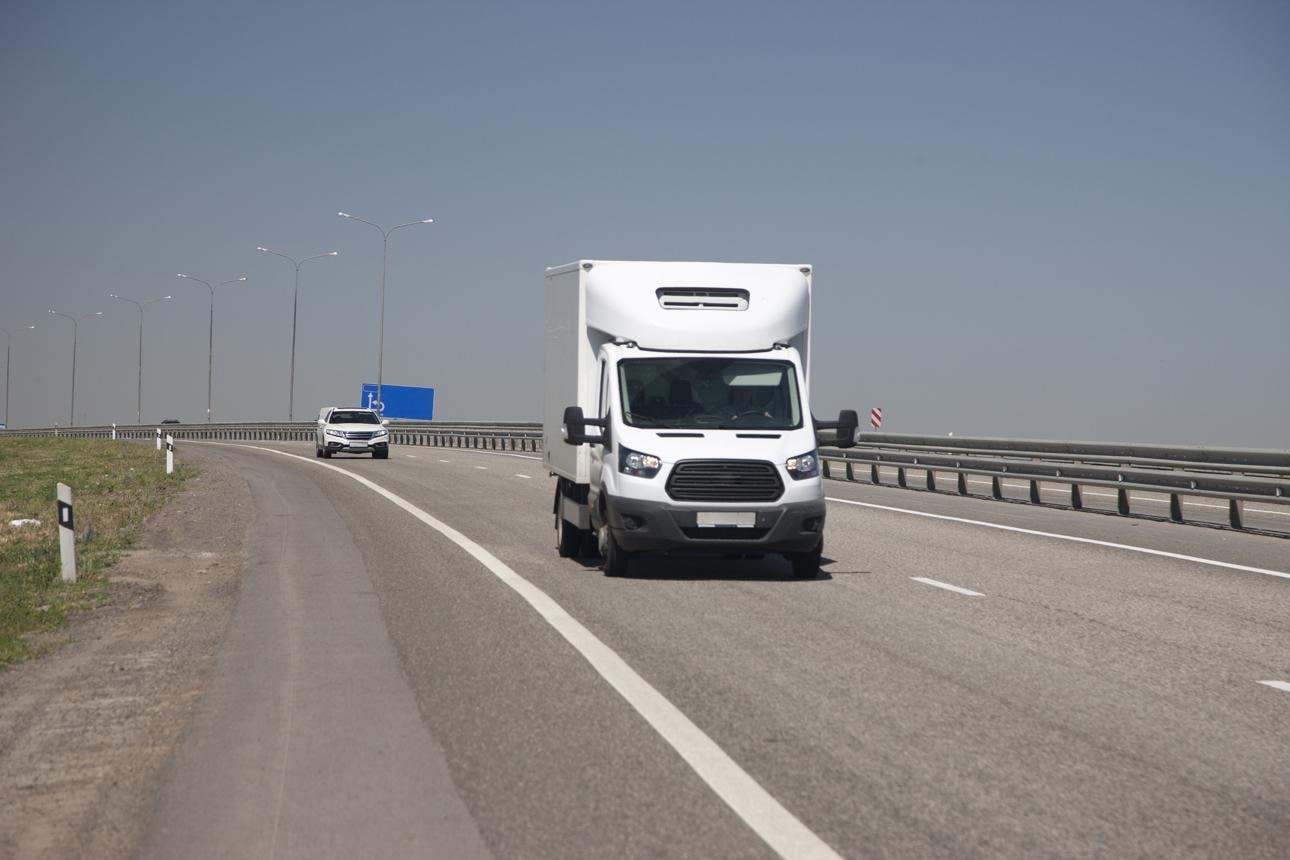
Under the Union’s Mobility Package, the rules on working hours, rest periods, tachographs and minimum-wage protections that already govern large trucks will extend to light commercial vehicles weighing between 2.5 and 3.5 tonnes when they operate in international transport or carry out cabotage, the practice of picking up and dropping off loads inside another member state. Operators of these vans will have to fit tachographs to record driving time and ensure their drivers take the mandated breaks.

The change is aimed at a loophole that grew as e-commerce reshaped European freight. As demand for fast cross-border delivery exploded, some firms shifted work onto smaller vehicles precisely because they fell outside the heavier regime. That allowed longer hours, thinner margins and, regulators argue, a race to the bottom on pay and safety that undercut companies playing by the rules. Drivers of these vans were sometimes on the road far longer than their counterparts in articulated lorries, with none of the same safeguards.

For compliant operators, the new obligations mean cost. Tachographs must be installed and maintained, schedules redrawn around enforced rest, and pay aligned with the posting rules that apply when a driver works in another country. Industry groups representing smaller hauliers have warned that the administrative burden falls hardest on exactly the modest firms least able to absorb it, and that enforcement will be uneven across a continent where roadside checks vary widely in intensity.

Labour advocates see the matter differently. For them the reform corrects an anomaly that allowed two drivers doing essentially the same cross-border job to be treated under different rules simply because of the weight of their vehicle. Bringing vans into the fold, they argue, is a question of basic fairness and of road safety, since fatigue does not respect a 3.5-tonne line.

The practical effect will depend, as ever, on enforcement. Tachograph data is only useful if authorities read it, and cabotage rules are notoriously hard to police when a vehicle may cross several borders in a day. National inspectorates will need both the appetite and the resources to check the smaller vehicles now within their remit.

The shift is part of a steady tightening of the rules that govern who may drive what, and under what conditions, across the single market. For the parcel firms whose vans crisscross Europe each morning, the message is that the regulatory advantage of staying small is, slowly, being taken away.