August 10, 2026
LATEST
Five Joint Defence Projects Launch Europe’s Military ShieldElectrification Plan Aims to Make Europe First Electro ContinentHorizon Europe Budget Fight Heats Up as Ministers Push BackGoogle’s DMA Fine Sets Off a Transatlantic Tariff ClashTwenty New University Alliances Join Erasmus for Two YearsForeign Subsidies Case Puts Temu in the EU’s SightsVan Tachographs Now Mandatory for Cross-Border FleetsStress Test Exposes Gaps in Euro Area Bank DefencesEurope Bets on a Gulf Partnership Before the Riyadh SummitWhy the Atlantic Route Now Runs Through MauritaniaKyiv and Chisinau Advance as the EU Accession Talks Gather PaceEurope’s New Digital Border System Beds In After a Rocky RolloutBrussels Mounts Its Largest Wildfire Response as the Fires SpreadRetail Spending Slipped in June, Wrong-Footing EconomistsHeatwave Warning Puts Brussels on Alert for Vulnerable GroupsKANAL’s 230 Million Euro Museum Sets a November Opening DatePension Savings Rules Get a Reset as the EU Scraps the 1% CapMedicine Shortages Move to the Heart of Europe’s Pharma ResetJapan Becomes Europe’s Closest Security Partner in AsiaCan Europe’s New Zealand Deal Anchor It in the Pacific?Five Joint Defence Projects Launch Europe’s Military ShieldElectrification Plan Aims to Make Europe First Electro ContinentHorizon Europe Budget Fight Heats Up as Ministers Push BackGoogle’s DMA Fine Sets Off a Transatlantic Tariff ClashTwenty New University Alliances Join Erasmus for Two YearsForeign Subsidies Case Puts Temu in the EU’s SightsVan Tachographs Now Mandatory for Cross-Border FleetsStress Test Exposes Gaps in Euro Area Bank DefencesEurope Bets on a Gulf Partnership Before the Riyadh SummitWhy the Atlantic Route Now Runs Through MauritaniaKyiv and Chisinau Advance as the EU Accession Talks Gather PaceEurope’s New Digital Border System Beds In After a Rocky RolloutBrussels Mounts Its Largest Wildfire Response as the Fires SpreadRetail Spending Slipped in June, Wrong-Footing EconomistsHeatwave Warning Puts Brussels on Alert for Vulnerable GroupsKANAL’s 230 Million Euro Museum Sets a November Opening DatePension Savings Rules Get a Reset as the EU Scraps the 1% CapMedicine Shortages Move to the Heart of Europe’s Pharma ResetJapan Becomes Europe’s Closest Security Partner in AsiaCan Europe’s New Zealand Deal Anchor It in the Pacific?
August 10, 2026
LATEST
Five Joint Defence Projects Launch Europe’s Military ShieldElectrification Plan Aims to Make Europe First Electro ContinentHorizon Europe Budget Fight Heats Up as Ministers Push BackGoogle’s DMA Fine Sets Off a Transatlantic Tariff ClashTwenty New University Alliances Join Erasmus for Two YearsForeign Subsidies Case Puts Temu in the EU’s SightsVan Tachographs Now Mandatory for Cross-Border FleetsStress Test Exposes Gaps in Euro Area Bank DefencesEurope Bets on a Gulf Partnership Before the Riyadh SummitWhy the Atlantic Route Now Runs Through MauritaniaKyiv and Chisinau Advance as the EU Accession Talks Gather PaceEurope’s New Digital Border System Beds In After a Rocky RolloutBrussels Mounts Its Largest Wildfire Response as the Fires SpreadRetail Spending Slipped in June, Wrong-Footing EconomistsHeatwave Warning Puts Brussels on Alert for Vulnerable GroupsKANAL’s 230 Million Euro Museum Sets a November Opening DatePension Savings Rules Get a Reset as the EU Scraps the 1% CapMedicine Shortages Move to the Heart of Europe’s Pharma ResetJapan Becomes Europe’s Closest Security Partner in AsiaCan Europe’s New Zealand Deal Anchor It in the Pacific?Five Joint Defence Projects Launch Europe’s Military ShieldElectrification Plan Aims to Make Europe First Electro ContinentHorizon Europe Budget Fight Heats Up as Ministers Push BackGoogle’s DMA Fine Sets Off a Transatlantic Tariff ClashTwenty New University Alliances Join Erasmus for Two YearsForeign Subsidies Case Puts Temu in the EU’s SightsVan Tachographs Now Mandatory for Cross-Border FleetsStress Test Exposes Gaps in Euro Area Bank DefencesEurope Bets on a Gulf Partnership Before the Riyadh SummitWhy the Atlantic Route Now Runs Through MauritaniaKyiv and Chisinau Advance as the EU Accession Talks Gather PaceEurope’s New Digital Border System Beds In After a Rocky RolloutBrussels Mounts Its Largest Wildfire Response as the Fires SpreadRetail Spending Slipped in June, Wrong-Footing EconomistsHeatwave Warning Puts Brussels on Alert for Vulnerable GroupsKANAL’s 230 Million Euro Museum Sets a November Opening DatePension Savings Rules Get a Reset as the EU Scraps the 1% CapMedicine Shortages Move to the Heart of Europe’s Pharma ResetJapan Becomes Europe’s Closest Security Partner in AsiaCan Europe’s New Zealand Deal Anchor It in the Pacific?

Bathing Waters Hold Their Quality as Inland Rivers Fall Short

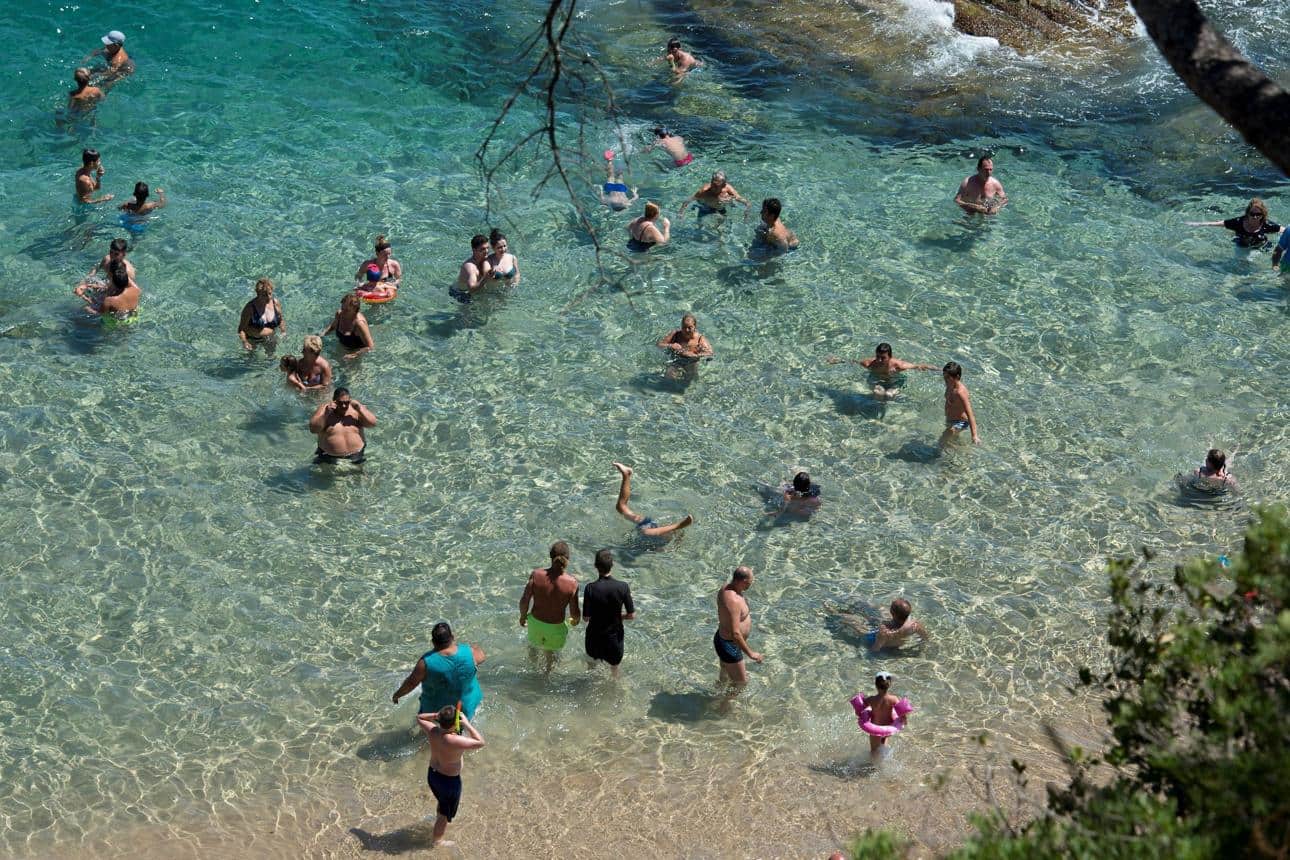
Copenhagen: Europe’s beaches and lakes remain, on the whole, safe to swim in, but the reassuring headline conceals a widening split between the coast and the country’s rivers. The European Environment Agency’s annual survey of bathing water, published in the middle of June, assessed 22,289 sites across the Union and beyond. Eighty-five percent earned the top rating of excellent, ninety-six percent met at least the minimum standard, and only one and a half percent were classified as poor. For a continent where mass tourism concentrates on the shoreline every summer, those are numbers a health minister can live with.

The agency’s verdict rests on a narrow but well-chosen pair of indicators. Under the Bathing Water Directive, waters are graded on concentrations of two faecal bacteria, Escherichia coli and intestinal enterococci, whose presence signals contamination from sewage or agricultural run-off. The directive’s logic is preventive rather than punitive: sites that slip are meant to trigger investigation and, where necessary, closure, so that the classification acts as an early-warning system rather than a scoreboard.

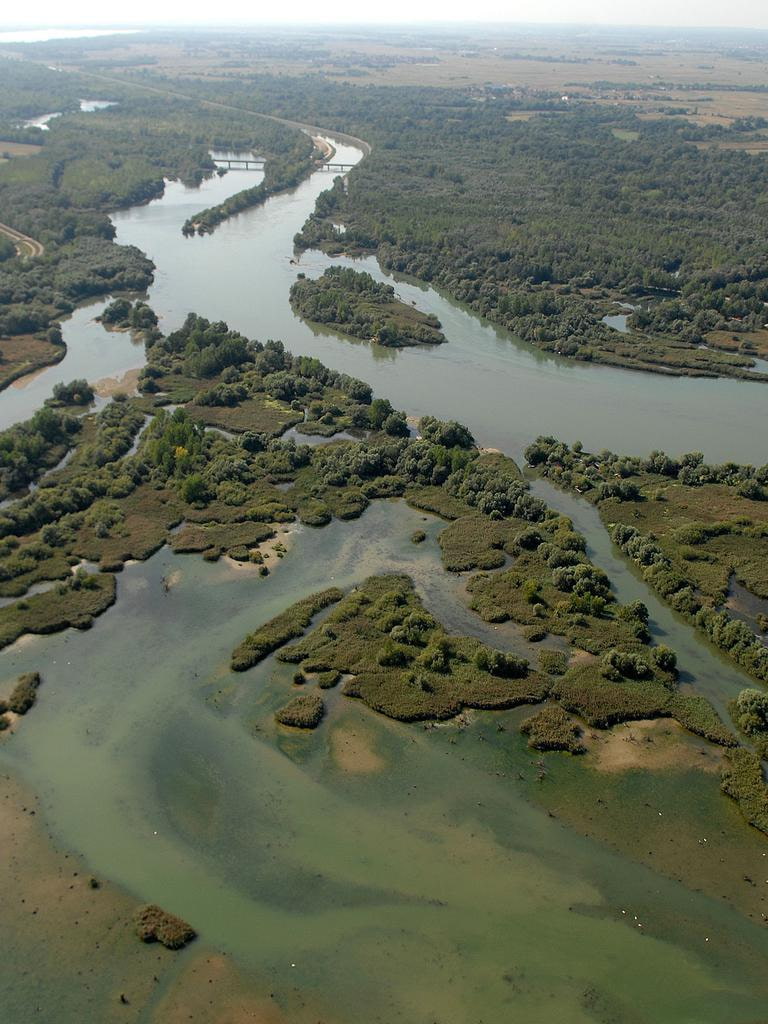
Beneath the aggregate, geography tells the real story. Coastal bathing waters continue to outperform inland ones, with eighty-eight percent of sea sites rated excellent against seventy-eight percent of lakes and rivers. The gap is starkest for rivers, where fewer than half of the roughly twelve hundred designated stretches reached the top grade. Flowing water collects whatever the land upstream releases, and rivers threading through farmland and older urban drainage carry a heavier load than open sea that disperses and dilutes. The result is a two-speed map in which a swimmer’s postcode matters as much as the season.

Some national performances stand out. Cyprus classified every one of its monitored sites as excellent, with Greece, Bulgaria and Austria each clearing ninety-six percent. Warm, salt-heavy Mediterranean waters flatter the statistics, but Austria’s showing, landlocked and lake-dependent, suggests that clean inland bathing is an achievable policy outcome rather than a quirk of climate. Where investment in wastewater treatment and catchment management has been sustained, the grades follow.

The findings land as the Union tightens the wider legal framework around water. A revised urban wastewater directive is pushing treatment plants toward stricter nutrient removal and, for the first time, extended producer responsibility for pharmaceutical and cosmetic residues. Nature restoration obligations, meanwhile, ask member states to rehabilitate degraded freshwater ecosystems over the coming decade. Bathing water quality is a downstream symptom of those upstream choices, and the river data suggest the diagnosis is not yet cured.

For all its polish, the survey measures a deliberately limited thing. It captures bacterial safety at designated sites during the season, not the ecological health of the water body, its chemical pollutants, its temperature or the state of the life within it. A river can be safe to swim in and still be failing under the separate assessments that track its broader condition, where the picture across the continent remains considerably bleaker. The bathing report is best read as a single, reassuring vital sign rather than a full clinical work-up, and the vital sign it flashes most insistently this year is that Europe has largely tamed its coasts while its rivers still lag behind.