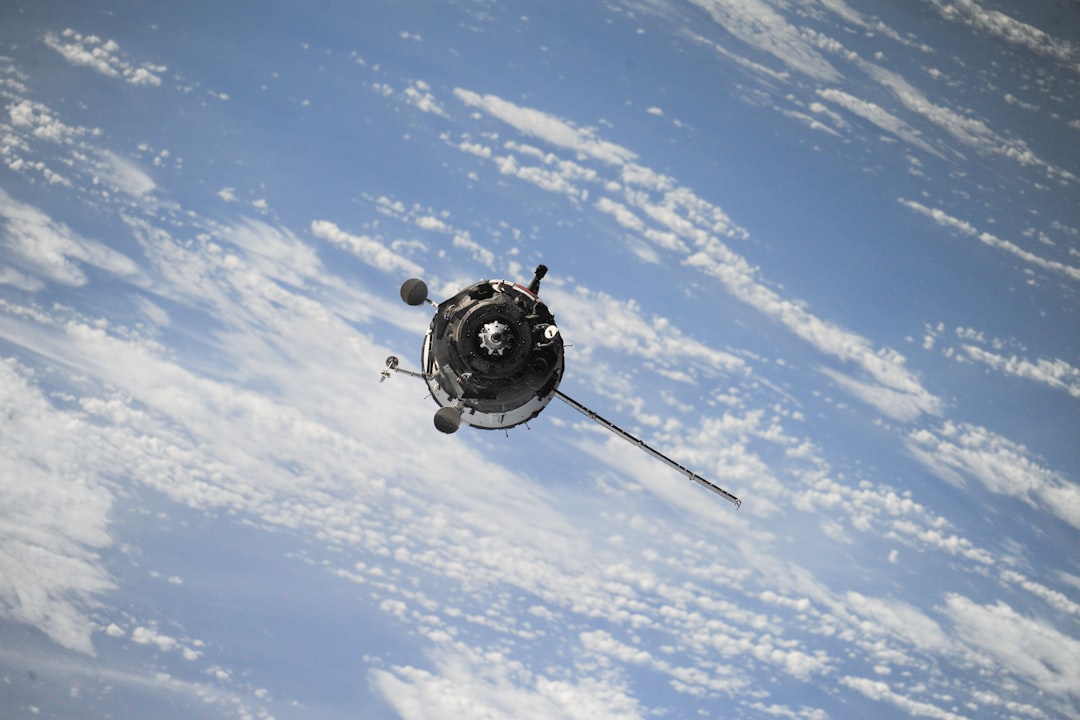
Brussels: Europe’s orbital neighbourhood is filling faster than the rules meant to govern it, and space debris has moved from a scientific curiosity to an operational threat. More than one million tracked fragments larger than a single centimetre now circle the Earth, while industry forecasts point to roughly 20,000 additional satellites reaching orbit over the coming decade. The European Commission has answered with the EU Space Act, a proposal that would place tracking, safety and sustainability duties under one Union framework instead of a patchwork of national licences.
The mathematics of the problem drive the urgency. Each collision scatters new fragments, and every fragment raises the odds of the next impact, a cascading dynamic that specialists have warned about for years. At orbital velocities a shard the width of a fingernail carries the destructive energy of a hand grenade, which is why operators increasingly budget for evasive manoeuvres that burn fuel and shorten mission life.
What the Space Act asks operators to do
The draft regulation, now moving through the ordinary legislative procedure in the European Parliament and the Council, sets obligations across the full life of a mission. Launch operators must coordinate with authorities to limit collision risk during ascent and re-entry, and install flight-safety systems. Spacecraft operators must keep their satellites trackable, subscribe to collision-avoidance services, and draw up space debris mitigation plans before they fly.
Large constellations face the tightest scrutiny. Because a single operator may soon fly thousands of satellites, the text demands higher standards of manoeuvrability, limits on light and radio pollution, and clear plans for removing hardware once it stops working. The intent is to stop the orbital commons from degrading before the next generation of services comes to depend on it.
Why Europe wants to move first
Brussels sees strategic value in setting the standard early. Components such as Galileo, Copernicus and the planned IRIS2 connectivity system already serve millions of users, and their reliability depends on a usable orbit. The EU Space Surveillance and Tracking partnership gives the Union an operational backbone for monitoring objects, and officials argue that binding rules will turn that data into action rather than advice.
The proposal also carries a global edge. Its provisions are drafted to reach non-EU operators that sell services into the European market, echoing the extraterritorial approach the Union has used in data and digital policy. Critics counter that unilateral standards risk friction with launch-heavy states unless international coordination catches up.
The economic stakes sharpen the debate. Europe’s space sector supports hundreds of thousands of jobs and underpins aviation, agriculture, finance and defence through positioning and imagery data. A single strike on a working satellite can erase a billion-euro investment in seconds, and insurers have begun pricing that risk into premiums. Framed that way, tackling space debris looks less like orbital housekeeping and more like protecting infrastructure the wider economy quietly relies on.
None of this clears the hazard already aloft. The EU Space Act cannot sweep up existing fragments, but it is Europe’s clearest attempt yet to slow the accumulation and to treat orbit as shared infrastructure worth defending. Whether the final text keeps its teeth through negotiation will decide if the rulebook shapes behaviour or merely records an ambition.