August 10, 2026
LATEST
Five Joint Defence Projects Launch Europe’s Military ShieldElectrification Plan Aims to Make Europe First Electro ContinentHorizon Europe Budget Fight Heats Up as Ministers Push BackGoogle’s DMA Fine Sets Off a Transatlantic Tariff ClashTwenty New University Alliances Join Erasmus for Two YearsForeign Subsidies Case Puts Temu in the EU’s SightsVan Tachographs Now Mandatory for Cross-Border FleetsStress Test Exposes Gaps in Euro Area Bank DefencesEurope Bets on a Gulf Partnership Before the Riyadh SummitWhy the Atlantic Route Now Runs Through MauritaniaKyiv and Chisinau Advance as the EU Accession Talks Gather PaceEurope’s New Digital Border System Beds In After a Rocky RolloutBrussels Mounts Its Largest Wildfire Response as the Fires SpreadRetail Spending Slipped in June, Wrong-Footing EconomistsHeatwave Warning Puts Brussels on Alert for Vulnerable GroupsKANAL’s 230 Million Euro Museum Sets a November Opening DatePension Savings Rules Get a Reset as the EU Scraps the 1% CapMedicine Shortages Move to the Heart of Europe’s Pharma ResetJapan Becomes Europe’s Closest Security Partner in AsiaCan Europe’s New Zealand Deal Anchor It in the Pacific?Five Joint Defence Projects Launch Europe’s Military ShieldElectrification Plan Aims to Make Europe First Electro ContinentHorizon Europe Budget Fight Heats Up as Ministers Push BackGoogle’s DMA Fine Sets Off a Transatlantic Tariff ClashTwenty New University Alliances Join Erasmus for Two YearsForeign Subsidies Case Puts Temu in the EU’s SightsVan Tachographs Now Mandatory for Cross-Border FleetsStress Test Exposes Gaps in Euro Area Bank DefencesEurope Bets on a Gulf Partnership Before the Riyadh SummitWhy the Atlantic Route Now Runs Through MauritaniaKyiv and Chisinau Advance as the EU Accession Talks Gather PaceEurope’s New Digital Border System Beds In After a Rocky RolloutBrussels Mounts Its Largest Wildfire Response as the Fires SpreadRetail Spending Slipped in June, Wrong-Footing EconomistsHeatwave Warning Puts Brussels on Alert for Vulnerable GroupsKANAL’s 230 Million Euro Museum Sets a November Opening DatePension Savings Rules Get a Reset as the EU Scraps the 1% CapMedicine Shortages Move to the Heart of Europe’s Pharma ResetJapan Becomes Europe’s Closest Security Partner in AsiaCan Europe’s New Zealand Deal Anchor It in the Pacific?
August 10, 2026
LATEST
Five Joint Defence Projects Launch Europe’s Military ShieldElectrification Plan Aims to Make Europe First Electro ContinentHorizon Europe Budget Fight Heats Up as Ministers Push BackGoogle’s DMA Fine Sets Off a Transatlantic Tariff ClashTwenty New University Alliances Join Erasmus for Two YearsForeign Subsidies Case Puts Temu in the EU’s SightsVan Tachographs Now Mandatory for Cross-Border FleetsStress Test Exposes Gaps in Euro Area Bank DefencesEurope Bets on a Gulf Partnership Before the Riyadh SummitWhy the Atlantic Route Now Runs Through MauritaniaKyiv and Chisinau Advance as the EU Accession Talks Gather PaceEurope’s New Digital Border System Beds In After a Rocky RolloutBrussels Mounts Its Largest Wildfire Response as the Fires SpreadRetail Spending Slipped in June, Wrong-Footing EconomistsHeatwave Warning Puts Brussels on Alert for Vulnerable GroupsKANAL’s 230 Million Euro Museum Sets a November Opening DatePension Savings Rules Get a Reset as the EU Scraps the 1% CapMedicine Shortages Move to the Heart of Europe’s Pharma ResetJapan Becomes Europe’s Closest Security Partner in AsiaCan Europe’s New Zealand Deal Anchor It in the Pacific?Five Joint Defence Projects Launch Europe’s Military ShieldElectrification Plan Aims to Make Europe First Electro ContinentHorizon Europe Budget Fight Heats Up as Ministers Push BackGoogle’s DMA Fine Sets Off a Transatlantic Tariff ClashTwenty New University Alliances Join Erasmus for Two YearsForeign Subsidies Case Puts Temu in the EU’s SightsVan Tachographs Now Mandatory for Cross-Border FleetsStress Test Exposes Gaps in Euro Area Bank DefencesEurope Bets on a Gulf Partnership Before the Riyadh SummitWhy the Atlantic Route Now Runs Through MauritaniaKyiv and Chisinau Advance as the EU Accession Talks Gather PaceEurope’s New Digital Border System Beds In After a Rocky RolloutBrussels Mounts Its Largest Wildfire Response as the Fires SpreadRetail Spending Slipped in June, Wrong-Footing EconomistsHeatwave Warning Puts Brussels on Alert for Vulnerable GroupsKANAL’s 230 Million Euro Museum Sets a November Opening DatePension Savings Rules Get a Reset as the EU Scraps the 1% CapMedicine Shortages Move to the Heart of Europe’s Pharma ResetJapan Becomes Europe’s Closest Security Partner in AsiaCan Europe’s New Zealand Deal Anchor It in the Pacific?

Gene Editing Wins a Lighter Rulebook as Final Approval Lands

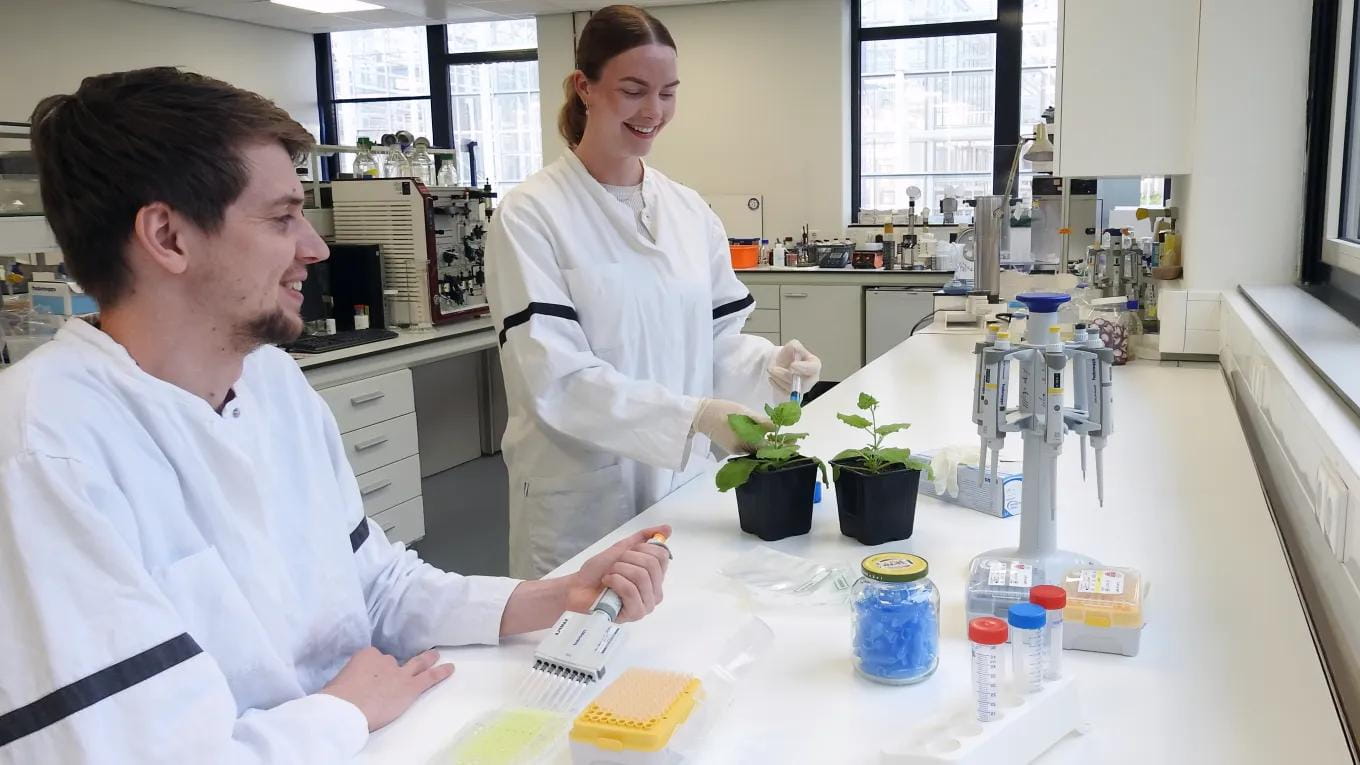
Wageningen: In the Dutch town that Europe treats as a capital of agricultural science, plant breeders have greeted a long-awaited verdict. After years of legal limbo, the European Union has agreed a new framework for gene editing in crops, opening a door that the bloc’s twenty-five-year-old rules had kept firmly shut.

The European Parliament gave the regulation on new genomic techniques its final approval on 17 June 2026, weeks after the Council adopted it. The agreed text now heads to the Official Journal, and a two-year implementation period will follow, so the first crops are unlikely to reach fields before mid-2028.

The law splits edited plants into two categories. Plants that carry changes which could also arise through conventional breeding fall into Category 1, escape the heavy authorisation regime that governs older genetically modified organisms, and travel through a lighter notification route. Everything else stays in Category 2 and keeps the full GMO framework, including risk assessment and labelling.

Supporters frame the reform as a competitiveness and climate measure. They point to varieties bred to resist drought, fungal disease or heat, traits that could cut pesticide use and steady yields as growing seasons turn erratic. European laboratories, they argue, have watched rivals in the Americas and Asia race ahead while Brussels hesitated.

Critics remain unconvinced. Organic farmers and several environmental groups warn that Category 1 plants will spread without mandatory labelling on the final product, leaving shoppers unable to choose and organic growers unable to guarantee their fields stay free of edited material. Questions of coexistence, traceability and liability will now fall to national authorities.

Patents form the sharpest fault line. Parliament had pushed to ban patents on edited plants outright, fearing that a handful of large firms could lock up seed markets, but the final deal stopped short. Instead the Commission must publish, within a year of entry into force, a study on how patents affect innovation, seed availability and the competitiveness of Europe’s breeders, and propose fixes if needed.

Much still hangs on the secondary legislation the Commission must now draft, which will decide exactly which edits qualify as equivalent to conventional breeding. Seed companies, regulators and campaigners will fight over those technical thresholds line by line.

For the researchers in Wageningen, the vote settles the biggest question and opens a hundred smaller ones. The science has run ahead of the statute for a decade. Now the statute is trying to catch up.