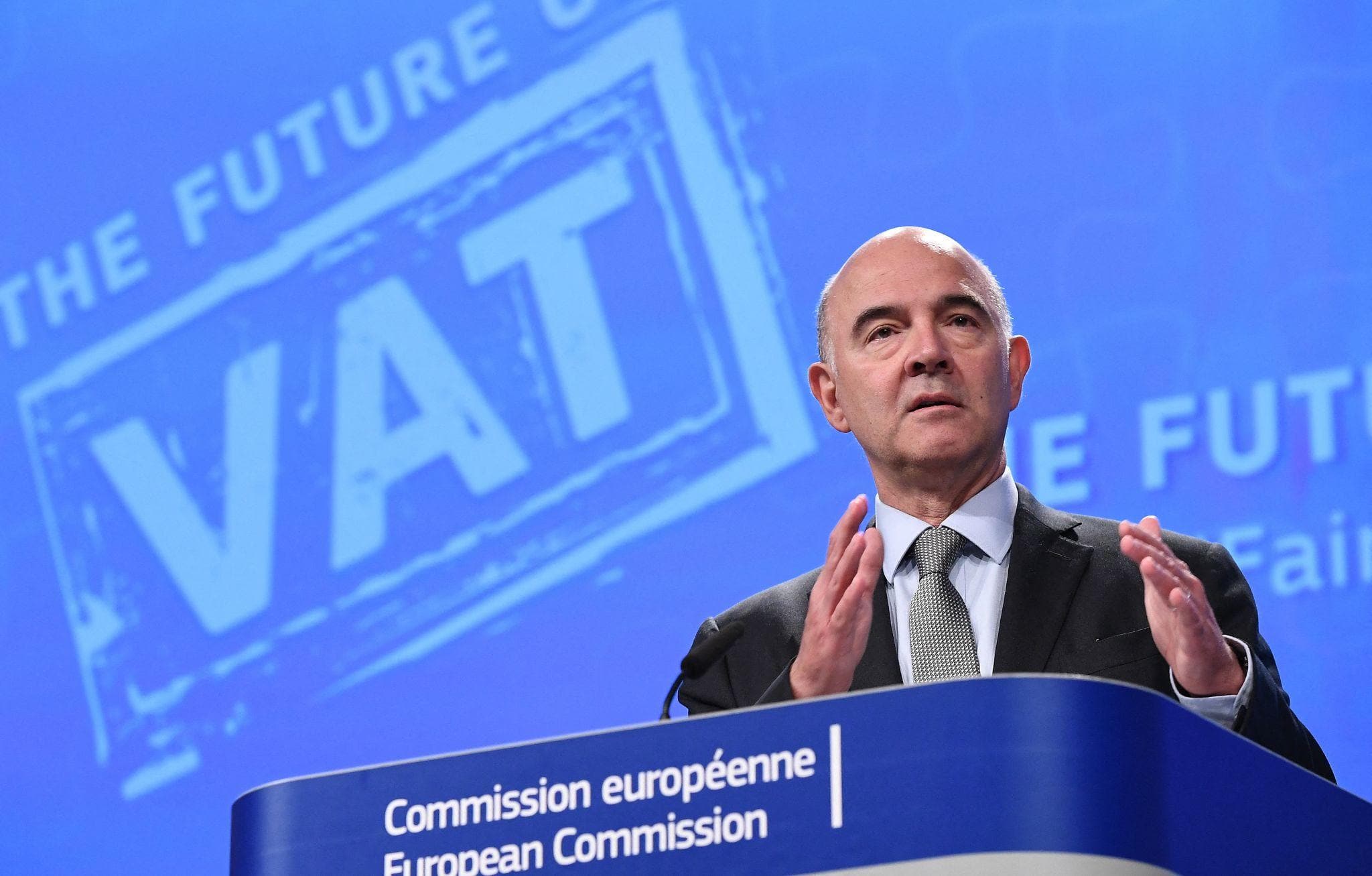
Paris: France is about to become the proving ground for Europe’s push toward mandatory e-invoicing. From September 2026, large and medium-sized French companies must issue structured electronic invoices, the first major national deadline under the bloc’s VAT in the Digital Age package.
The reform, known as ViDA, won agreement in March 2025 and rolls out in stages through 2035. The Commission published its 2026 work programme in the spring, setting out the technical groundwork, and a new European standard, EN 16931, arrived in March to give invoices a common machine-readable shape that tax authorities and software can both parse.
The motive is money and fraud. Officials estimate that e-invoicing and real-time digital reporting could cut VAT fraud by up to 11 billion euros a year while trimming administrative and compliance costs for traders by more than 4 billion euros annually over the next decade. The gains come from replacing paper trails and delayed filings with a live digital record.
ViDA rests on three pillars. The first mandates electronic invoicing and real-time reporting for cross-border trade. The second recasts how online platforms handle VAT through a deemed-supplier scheme. The third extends single VAT registration so a business can trade across the bloc without registering in every member state it sells into.
For now the spotlight falls on the first pillar, and France’s timetable makes it the bellwether. Software vendors are racing to certify their systems, and smaller suppliers worry about the cost and disruption of new invoicing tools. The government has staggered the obligation so the largest firms move first, giving smaller ones a little breathing room.
Other capitals are watching closely. Several plan their own domestic mandates, and the French experience will show how smoothly a national rollout can run before the harder cross-border phase arrives. Early stumbles in Paris would sharpen the anxiety elsewhere.
Tax authorities stand to gain the most. A live stream of invoice data lets them spot missing-trader fraud almost as it happens, closing schemes that once took years to unravel. Honest businesses gain too, as automated reporting shrinks the paperwork that has long made cross-border trade a compliance headache.
That cross-border crunch comes in July 2030, when business-to-business transactions between member states must use e-invoicing by default and digital reporting becomes the norm. Companies that treat the French deadline as a dress rehearsal stand to enter the next phase prepared, while those that wait may find the transition far steeper.