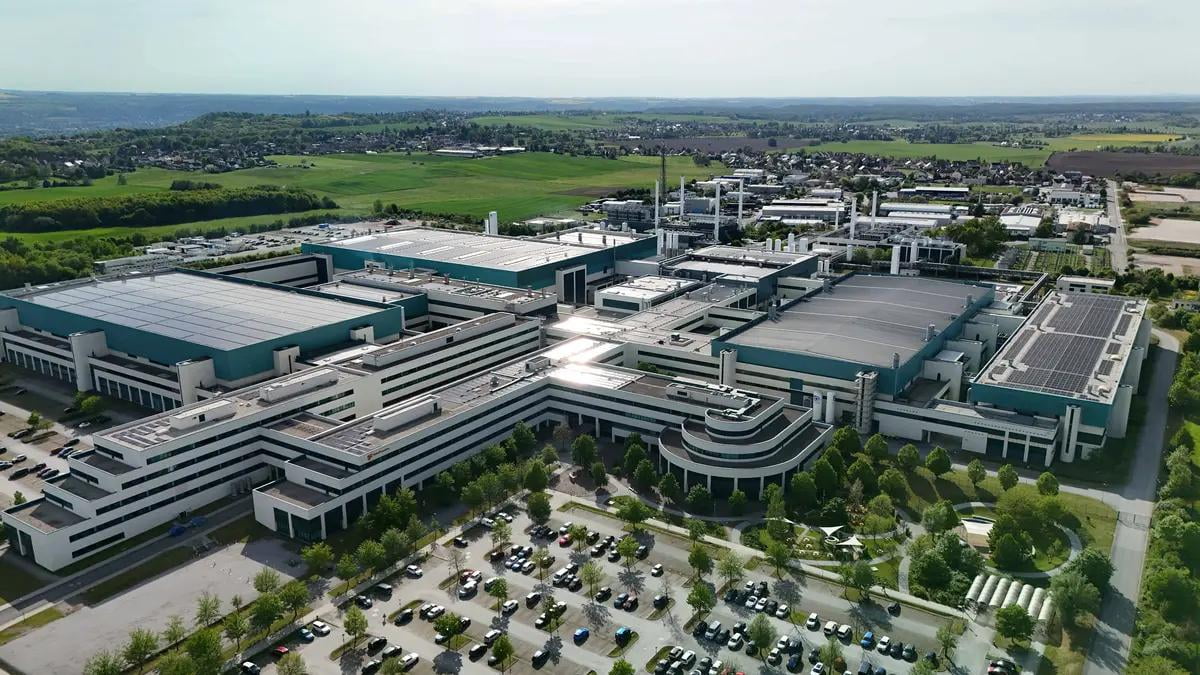
Cologne: The scaffolding rising on the edge of this Rhineland city is easy to overlook, yet it forms one pillar of Europe’s push for sovereign satellite security. Germany has broken ground on a GOVSATCOM hub, one of two physical facilities that will anchor the bloc’s secure government communications and act as a bridge to a far larger constellation now taking shape.
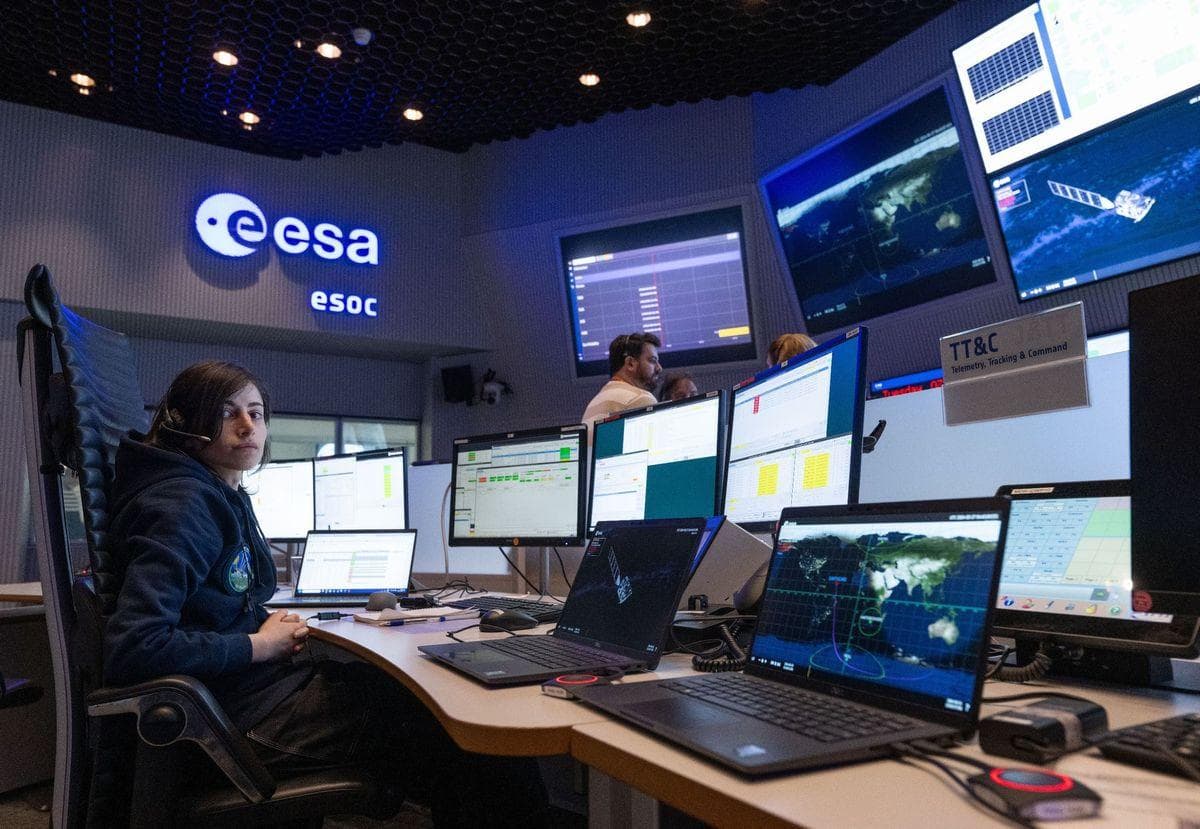
The immediate project is GOVSATCOM, which pools spare capacity from national and commercial satellites so that governments can send encrypted traffic without depending on providers outside the Union. The scheme became operational earlier this year, stitching together eight satellites contributed by five member states. The Cologne hub gives that patchwork a permanent home, a place where secure links can be managed, accredited and routed to the coastguards, border services and crisis teams that rely on them.
Behind it looms IRIS2, the 10.6 billion euro constellation the EU intends to field as its third space flagship after Galileo and Copernicus. The plan calls for roughly 290 satellites strung across several orbits, 18 in medium orbit and the rest closer to Earth, delivering resilient connectivity to both governments and, eventually, commercial customers. Design and development run through 2028, deployment follows toward the end of the decade, and initial government services are expected around 2030.
The EU Agency for the Space Programme carries much of the operational weight. It handles security accreditation for the new services and runs Galileo’s day-to-day operations, while the European Space Agency shepherds the underlying technology. That division of labour has become a template for how Brussels wants to manage its space assets, keeping security decisions in public hands even as private contractors build and launch the hardware.
The strategic logic is hard to miss. War on the continent’s eastern flank and the growing dominance of a handful of private mega-constellations have convinced European capitals that dependence on foreign satellite links is a vulnerability they can no longer accept. A hub in Cologne, staffed and controlled by Europeans, is a modest but concrete answer to that fear.
Doubts remain about cost and timing. IRIS2 has already absorbed years of negotiation, and a first meaningful service date near 2030 leaves a long stretch during which the bloc must lean on stopgaps such as GOVSATCOM. Sceptics question whether the constellation can be delivered on budget when commercial rivals iterate faster and cheaper.
For now the groundwork is literal. Concrete is being poured, contracts signed and orbits mapped. Whether the finished system delivers the autonomy its architects promise will only become clear once the satellites are aloft and the traffic starts to flow through this quiet German node.