August 10, 2026
LATEST
Five Joint Defence Projects Launch Europe’s Military ShieldElectrification Plan Aims to Make Europe First Electro ContinentHorizon Europe Budget Fight Heats Up as Ministers Push BackGoogle’s DMA Fine Sets Off a Transatlantic Tariff ClashTwenty New University Alliances Join Erasmus for Two YearsForeign Subsidies Case Puts Temu in the EU’s SightsVan Tachographs Now Mandatory for Cross-Border FleetsStress Test Exposes Gaps in Euro Area Bank DefencesEurope Bets on a Gulf Partnership Before the Riyadh SummitWhy the Atlantic Route Now Runs Through MauritaniaKyiv and Chisinau Advance as the EU Accession Talks Gather PaceEurope’s New Digital Border System Beds In After a Rocky RolloutBrussels Mounts Its Largest Wildfire Response as the Fires SpreadRetail Spending Slipped in June, Wrong-Footing EconomistsHeatwave Warning Puts Brussels on Alert for Vulnerable GroupsKANAL’s 230 Million Euro Museum Sets a November Opening DatePension Savings Rules Get a Reset as the EU Scraps the 1% CapMedicine Shortages Move to the Heart of Europe’s Pharma ResetJapan Becomes Europe’s Closest Security Partner in AsiaCan Europe’s New Zealand Deal Anchor It in the Pacific?Five Joint Defence Projects Launch Europe’s Military ShieldElectrification Plan Aims to Make Europe First Electro ContinentHorizon Europe Budget Fight Heats Up as Ministers Push BackGoogle’s DMA Fine Sets Off a Transatlantic Tariff ClashTwenty New University Alliances Join Erasmus for Two YearsForeign Subsidies Case Puts Temu in the EU’s SightsVan Tachographs Now Mandatory for Cross-Border FleetsStress Test Exposes Gaps in Euro Area Bank DefencesEurope Bets on a Gulf Partnership Before the Riyadh SummitWhy the Atlantic Route Now Runs Through MauritaniaKyiv and Chisinau Advance as the EU Accession Talks Gather PaceEurope’s New Digital Border System Beds In After a Rocky RolloutBrussels Mounts Its Largest Wildfire Response as the Fires SpreadRetail Spending Slipped in June, Wrong-Footing EconomistsHeatwave Warning Puts Brussels on Alert for Vulnerable GroupsKANAL’s 230 Million Euro Museum Sets a November Opening DatePension Savings Rules Get a Reset as the EU Scraps the 1% CapMedicine Shortages Move to the Heart of Europe’s Pharma ResetJapan Becomes Europe’s Closest Security Partner in AsiaCan Europe’s New Zealand Deal Anchor It in the Pacific?
August 10, 2026
LATEST
Five Joint Defence Projects Launch Europe’s Military ShieldElectrification Plan Aims to Make Europe First Electro ContinentHorizon Europe Budget Fight Heats Up as Ministers Push BackGoogle’s DMA Fine Sets Off a Transatlantic Tariff ClashTwenty New University Alliances Join Erasmus for Two YearsForeign Subsidies Case Puts Temu in the EU’s SightsVan Tachographs Now Mandatory for Cross-Border FleetsStress Test Exposes Gaps in Euro Area Bank DefencesEurope Bets on a Gulf Partnership Before the Riyadh SummitWhy the Atlantic Route Now Runs Through MauritaniaKyiv and Chisinau Advance as the EU Accession Talks Gather PaceEurope’s New Digital Border System Beds In After a Rocky RolloutBrussels Mounts Its Largest Wildfire Response as the Fires SpreadRetail Spending Slipped in June, Wrong-Footing EconomistsHeatwave Warning Puts Brussels on Alert for Vulnerable GroupsKANAL’s 230 Million Euro Museum Sets a November Opening DatePension Savings Rules Get a Reset as the EU Scraps the 1% CapMedicine Shortages Move to the Heart of Europe’s Pharma ResetJapan Becomes Europe’s Closest Security Partner in AsiaCan Europe’s New Zealand Deal Anchor It in the Pacific?Five Joint Defence Projects Launch Europe’s Military ShieldElectrification Plan Aims to Make Europe First Electro ContinentHorizon Europe Budget Fight Heats Up as Ministers Push BackGoogle’s DMA Fine Sets Off a Transatlantic Tariff ClashTwenty New University Alliances Join Erasmus for Two YearsForeign Subsidies Case Puts Temu in the EU’s SightsVan Tachographs Now Mandatory for Cross-Border FleetsStress Test Exposes Gaps in Euro Area Bank DefencesEurope Bets on a Gulf Partnership Before the Riyadh SummitWhy the Atlantic Route Now Runs Through MauritaniaKyiv and Chisinau Advance as the EU Accession Talks Gather PaceEurope’s New Digital Border System Beds In After a Rocky RolloutBrussels Mounts Its Largest Wildfire Response as the Fires SpreadRetail Spending Slipped in June, Wrong-Footing EconomistsHeatwave Warning Puts Brussels on Alert for Vulnerable GroupsKANAL’s 230 Million Euro Museum Sets a November Opening DatePension Savings Rules Get a Reset as the EU Scraps the 1% CapMedicine Shortages Move to the Heart of Europe’s Pharma ResetJapan Becomes Europe’s Closest Security Partner in AsiaCan Europe’s New Zealand Deal Anchor It in the Pacific?

E-Invoicing Moves to the Centre of Europe’s New VAT Regime

Tallinn: In a country where citizens already sign contracts and file taxes with a national ID card, the European Union’s next tax overhaul feels almost overdue. Mandatory e-invoicing now sits at the heart of the bloc’s VAT in the Digital Age reform, and Estonia’s capital offers a preview of where the whole Union is heading.

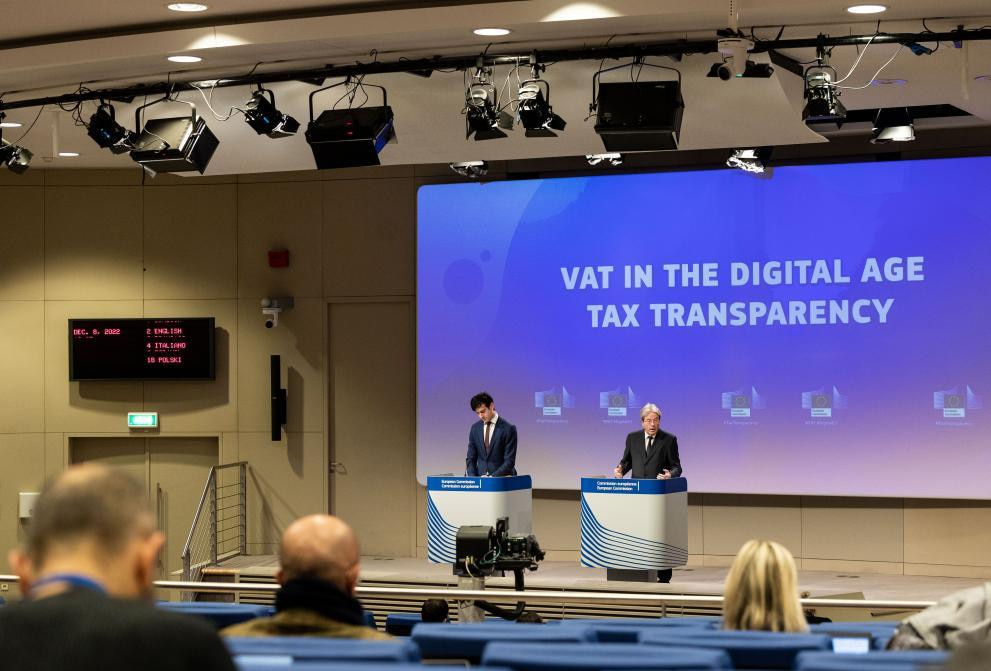
The package, known as ViDA, entered into force in April 2025 and rewrites how value-added tax is reported, collected and policed. The Commission published its 2026 work programme in May, setting out the phased timetable that businesses and tax authorities must now prepare for.

The most consequential change lands in 2030. From 1 July that year, cross-border business-to-business transactions inside the Union will fall under new digital reporting requirements built on mandatory electronic invoicing, replacing the paper trails and periodic summaries that let fraud flourish for decades. Real-time data, not retrospective forms, becomes the norm.

The stakes are enormous. The Union loses tens of billions of euro each year to VAT fraud, much of it through so-called carousel schemes that exploit the gaps between national systems. By forcing invoices into a common digital format reported almost instantly, regulators hope to slam that window shut and give tax authorities a live view of trade.

Estonia illustrates the payoff. Years of digital public services have normalised structured electronic invoices among Estonian firms, and the administration treats data-sharing as routine rather than intrusive. For Tallinn, ViDA marks less a leap than an alignment of the rest of the Union with practices it already trusts.

Other changes arrive sooner. From January 2027, the Union extends its One Stop Shop, the single online portal for cross-border VAT, to cover more transactions, sparing companies the burden of registering separately in every country where they sell. A single VAT registration should lift a real cost off smaller exporters.

The platform economy also enters the frame. New rules make digital platforms in short-term accommodation and passenger transport responsible for collecting VAT when the underlying providers do not, tackling a mismatch that has long tilted the field against traditional hotels and taxi firms.

Business groups broadly back the direction while wincing at the cost. Upgrading accounting software, retraining staff and connecting to national reporting systems demands investment, and smaller firms fear a squeeze from deadlines designed with multinationals in mind. They want clear technical standards well before the switch, not months before.

Tax administrations face their own scramble. Member states that already run real-time reporting must align their national systems with the cross-border standard by 2035, and those starting from scratch have to build the plumbing in time. Fragmentation now would defeat the whole purpose of a common regime.

The long runway to 2030 is deliberate. It gives twenty-seven very different tax cultures time to converge on one digital language. Whether they arrive together, as Tallinn’s example suggests they can, will determine how much fraud the reform actually stops.