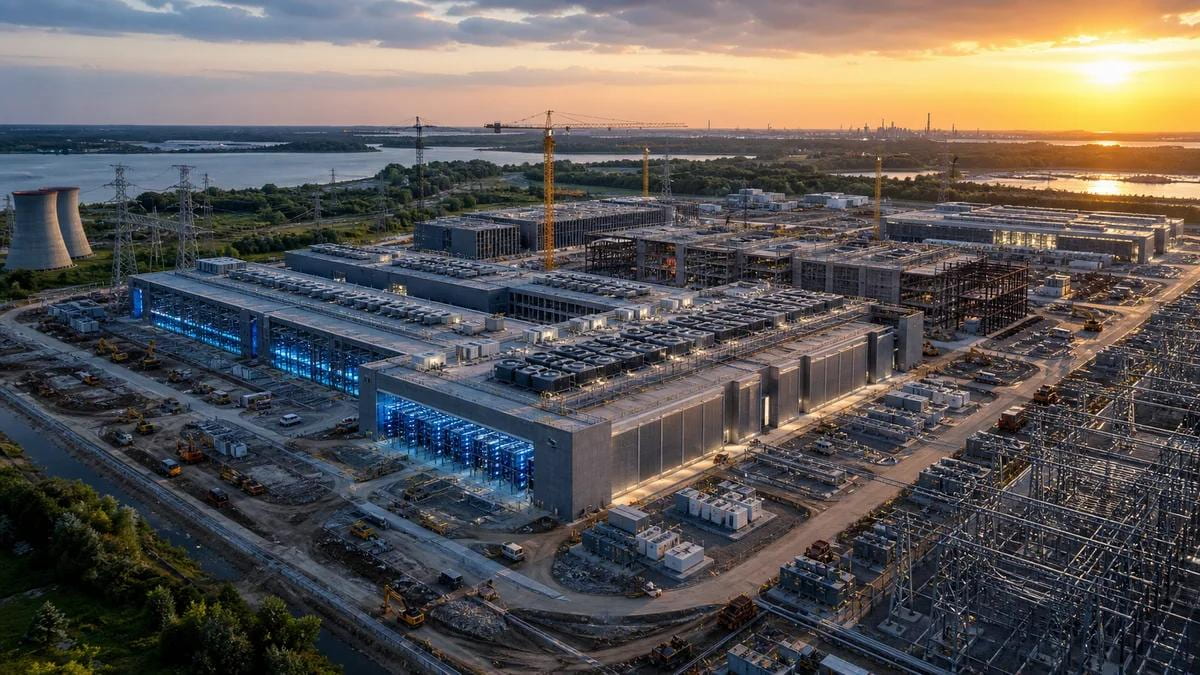
Brussels: Europe wants to stop renting the machines that build artificial intelligence and start owning them. The European Commission has opened bids for up to seven AI gigafactories, vast compute campuses meant to train and run the frontier models that today depend almost entirely on American and Asian hardware. The plan carries roughly 30 billion euros in combined public and private ambition, and it frames AI gigafactories as infrastructure as strategic as power grids or ports.
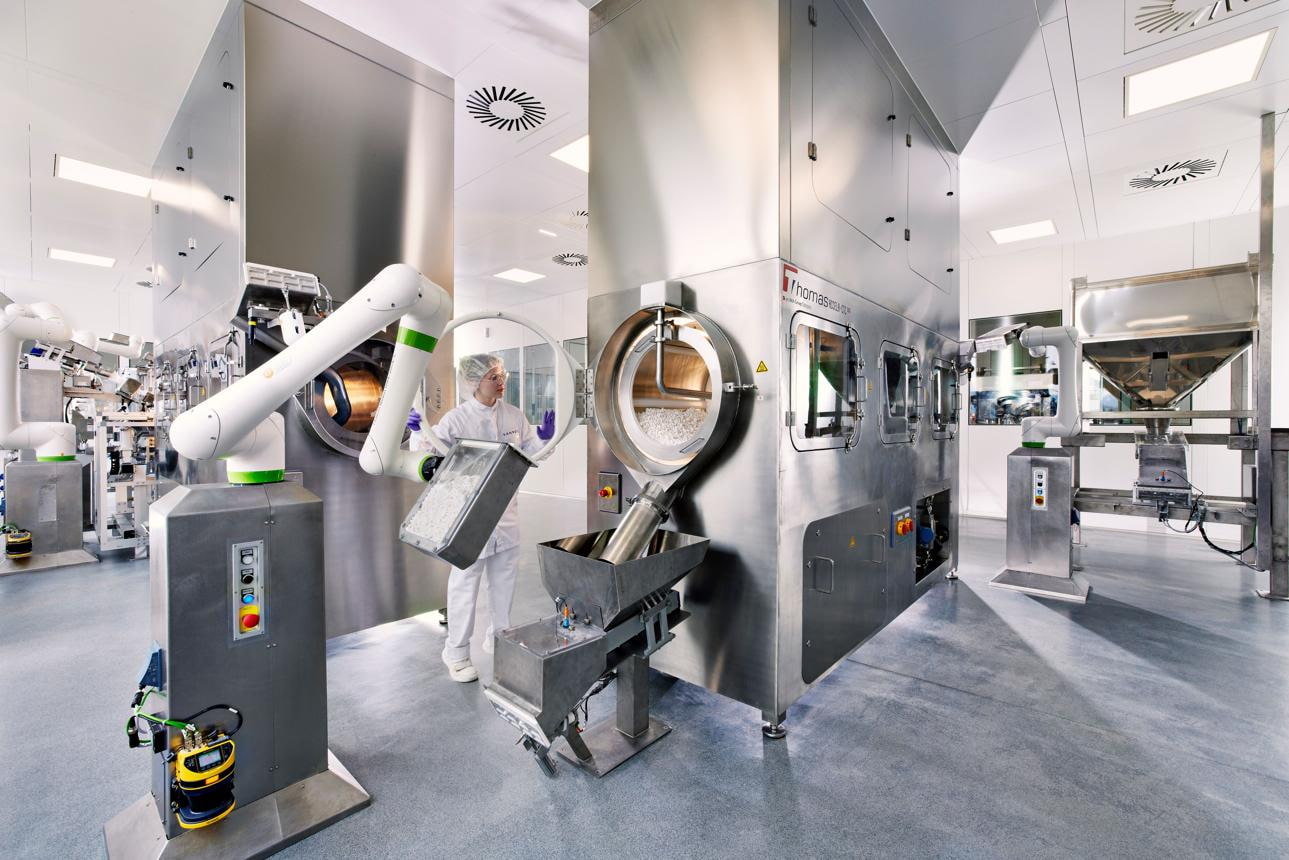
The structure of the deal reveals the thinking. Brussels and member states expect to supply around 10 billion euros in public money, while private investors are asked to bring 20 billion or more. The tender closes on 12 November 2026, with awards expected by early 2027. Each site would pool tens of thousands of advanced chips, giving startups, researchers and industrial users access to computing power they could never finance alone.
The sovereignty calculation
The logic is defensive as much as industrial. European firms train their best models on cloud capacity owned abroad, which leaves pricing, priority and even access at the mercy of foreign suppliers. When demand spikes, European users wait. Policymakers watched that dependency harden during two years of chip shortages and concluded that compute now behaves like a raw material. Whoever controls it shapes who can innovate.
Yet building factories does not solve the harder bottleneck. The most advanced accelerators still come from a tiny cluster of designers and a single dominant foundry in Taiwan. A gigafactory in France or Germany can house the chips, but it cannot yet make them. So the initiative buys Europe operational control and bargaining weight without delivering true self-sufficiency. That distinction will define how much the money actually changes.
Where the risks sit
Money and electricity form the second constraint. Training campuses draw enormous power, and Europe’s grids already strain under industrial demand and climate targets. Siting decisions will pit compute against factories and households for scarce clean energy, and the winners will need cheap, steady supply that few regions can guarantee. A gigafactory that runs on expensive or dirty power undercuts the very competitiveness it aims to protect.
There is also a question of demand. Public subsidy can build capacity, but private users must fill it at commercial rates once the ribbon is cut. If European AI firms stay small, the campuses risk becoming expensive monuments rather than engines. The Commission counters that supply creates its own market, because affordable compute lets more startups attempt ambitious models. The detail of the tender, laid out alongside the Union’s digital strategy, tries to lock in anchor customers early.
The gigafactory push pairs neatly with the transparency rules that took effect the same month, and together they sketch Europe’s whole AI doctrine. One hand writes the rules that govern how models behave; the other builds the machines that let European players compete at all. Regulation without capacity would leave the bloc a market others farm. Capacity without rules would surrender the values the Union keeps insisting on. Brussels is trying, expensively and imperfectly, to hold both at once.
Success is far from assured. The timeline is tight, the energy math is unforgiving, and the chip dependency remains. But the bet reflects a hard lesson from the cloud era, when Europe consumed the digital infrastructure others owned. This time it wants a stake in the foundation, not just a seat at the counter.