Valenciennes: The European Union’s own reviewers have concluded that the bloc’s rail safety agency does vital work but lacks the money and muscle to keep up with everything Brussels keeps asking of it.
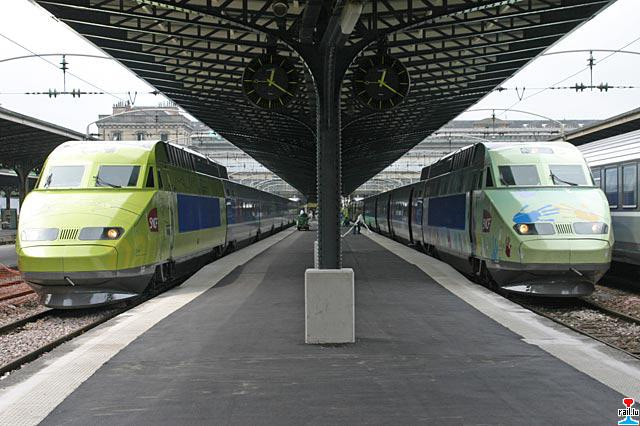
The European Union Agency for Railways, based in the northern French town, sits at the centre of the drive to knit twenty-seven national networks into a single railway area. It certifies trains to run across borders, harmonises safety rules and, increasingly, oversees the digital signalling systems that promise to squeeze more traffic onto existing tracks.
A Commission evaluation confirmed that the agency has improved safety and interoperability since it took on expanded powers under the bloc’s Fourth Railway Package. Cross-border authorisations that once crawled through national bureaucracies now flow through a single European process, cutting cost and delay for operators.
Yet the same review found that stretched resources have capped what the agency can deliver. Its remit keeps growing, from single vehicle approvals to the rollout of common signalling and the digitalisation of rail communications, but its staffing and budget have not kept pace. Reviewers warned that the gap could blunt the very gains the agency was built to secure.
The findings feed directly into a promised overhaul. The Commission has signalled that it will table a revised regulation to strengthen the agency, tie it more tightly to the push for high-speed links between capitals, and hand it clearer authority over the data layer that modern trains depend on. Rail groups tracked the debate through outlets such as RailwayPro.
Operators broadly welcome a beefier agency. They argue that a single, well-funded authority beats twenty-seven separate rulebooks, and that reliable cross-border certification is the precondition for the seamless network passengers keep being promised. Every extra layer of national paperwork, they say, pushes freight back onto roads and travellers back into planes.
National safety authorities sound more cautious. Some worry that a stronger central body could erode their own role and override local knowledge about ageing infrastructure and regional quirks. They want the reform to sharpen cooperation rather than simply pull power toward the centre.
The agency, for its part, has published its yearly report on safety and interoperability and set out its work programme for the coming years, including a planned recommendation on how trains are operated across the network. It frames the extra responsibilities as proof of trust, while quietly making the case that trust needs funding to match.
How the reform lands will shape the timetable for Europe’s rail ambitions. If lawmakers grant the agency the resources reviewers say it needs, the dream of boarding a train in one capital and gliding uninterrupted to another moves a little closer. If they do not, the network stays a patchwork with a European label.