August 10, 2026
LATEST
Five Joint Defence Projects Launch Europe’s Military ShieldElectrification Plan Aims to Make Europe First Electro ContinentHorizon Europe Budget Fight Heats Up as Ministers Push BackGoogle’s DMA Fine Sets Off a Transatlantic Tariff ClashTwenty New University Alliances Join Erasmus for Two YearsForeign Subsidies Case Puts Temu in the EU’s SightsVan Tachographs Now Mandatory for Cross-Border FleetsStress Test Exposes Gaps in Euro Area Bank DefencesEurope Bets on a Gulf Partnership Before the Riyadh SummitWhy the Atlantic Route Now Runs Through MauritaniaKyiv and Chisinau Advance as the EU Accession Talks Gather PaceEurope’s New Digital Border System Beds In After a Rocky RolloutBrussels Mounts Its Largest Wildfire Response as the Fires SpreadRetail Spending Slipped in June, Wrong-Footing EconomistsHeatwave Warning Puts Brussels on Alert for Vulnerable GroupsKANAL’s 230 Million Euro Museum Sets a November Opening DatePension Savings Rules Get a Reset as the EU Scraps the 1% CapMedicine Shortages Move to the Heart of Europe’s Pharma ResetJapan Becomes Europe’s Closest Security Partner in AsiaCan Europe’s New Zealand Deal Anchor It in the Pacific?Five Joint Defence Projects Launch Europe’s Military ShieldElectrification Plan Aims to Make Europe First Electro ContinentHorizon Europe Budget Fight Heats Up as Ministers Push BackGoogle’s DMA Fine Sets Off a Transatlantic Tariff ClashTwenty New University Alliances Join Erasmus for Two YearsForeign Subsidies Case Puts Temu in the EU’s SightsVan Tachographs Now Mandatory for Cross-Border FleetsStress Test Exposes Gaps in Euro Area Bank DefencesEurope Bets on a Gulf Partnership Before the Riyadh SummitWhy the Atlantic Route Now Runs Through MauritaniaKyiv and Chisinau Advance as the EU Accession Talks Gather PaceEurope’s New Digital Border System Beds In After a Rocky RolloutBrussels Mounts Its Largest Wildfire Response as the Fires SpreadRetail Spending Slipped in June, Wrong-Footing EconomistsHeatwave Warning Puts Brussels on Alert for Vulnerable GroupsKANAL’s 230 Million Euro Museum Sets a November Opening DatePension Savings Rules Get a Reset as the EU Scraps the 1% CapMedicine Shortages Move to the Heart of Europe’s Pharma ResetJapan Becomes Europe’s Closest Security Partner in AsiaCan Europe’s New Zealand Deal Anchor It in the Pacific?
August 10, 2026
LATEST
Five Joint Defence Projects Launch Europe’s Military ShieldElectrification Plan Aims to Make Europe First Electro ContinentHorizon Europe Budget Fight Heats Up as Ministers Push BackGoogle’s DMA Fine Sets Off a Transatlantic Tariff ClashTwenty New University Alliances Join Erasmus for Two YearsForeign Subsidies Case Puts Temu in the EU’s SightsVan Tachographs Now Mandatory for Cross-Border FleetsStress Test Exposes Gaps in Euro Area Bank DefencesEurope Bets on a Gulf Partnership Before the Riyadh SummitWhy the Atlantic Route Now Runs Through MauritaniaKyiv and Chisinau Advance as the EU Accession Talks Gather PaceEurope’s New Digital Border System Beds In After a Rocky RolloutBrussels Mounts Its Largest Wildfire Response as the Fires SpreadRetail Spending Slipped in June, Wrong-Footing EconomistsHeatwave Warning Puts Brussels on Alert for Vulnerable GroupsKANAL’s 230 Million Euro Museum Sets a November Opening DatePension Savings Rules Get a Reset as the EU Scraps the 1% CapMedicine Shortages Move to the Heart of Europe’s Pharma ResetJapan Becomes Europe’s Closest Security Partner in AsiaCan Europe’s New Zealand Deal Anchor It in the Pacific?Five Joint Defence Projects Launch Europe’s Military ShieldElectrification Plan Aims to Make Europe First Electro ContinentHorizon Europe Budget Fight Heats Up as Ministers Push BackGoogle’s DMA Fine Sets Off a Transatlantic Tariff ClashTwenty New University Alliances Join Erasmus for Two YearsForeign Subsidies Case Puts Temu in the EU’s SightsVan Tachographs Now Mandatory for Cross-Border FleetsStress Test Exposes Gaps in Euro Area Bank DefencesEurope Bets on a Gulf Partnership Before the Riyadh SummitWhy the Atlantic Route Now Runs Through MauritaniaKyiv and Chisinau Advance as the EU Accession Talks Gather PaceEurope’s New Digital Border System Beds In After a Rocky RolloutBrussels Mounts Its Largest Wildfire Response as the Fires SpreadRetail Spending Slipped in June, Wrong-Footing EconomistsHeatwave Warning Puts Brussels on Alert for Vulnerable GroupsKANAL’s 230 Million Euro Museum Sets a November Opening DatePension Savings Rules Get a Reset as the EU Scraps the 1% CapMedicine Shortages Move to the Heart of Europe’s Pharma ResetJapan Becomes Europe’s Closest Security Partner in AsiaCan Europe’s New Zealand Deal Anchor It in the Pacific?

Small Boats Enter The Tracking Net As New Control Rules Bite

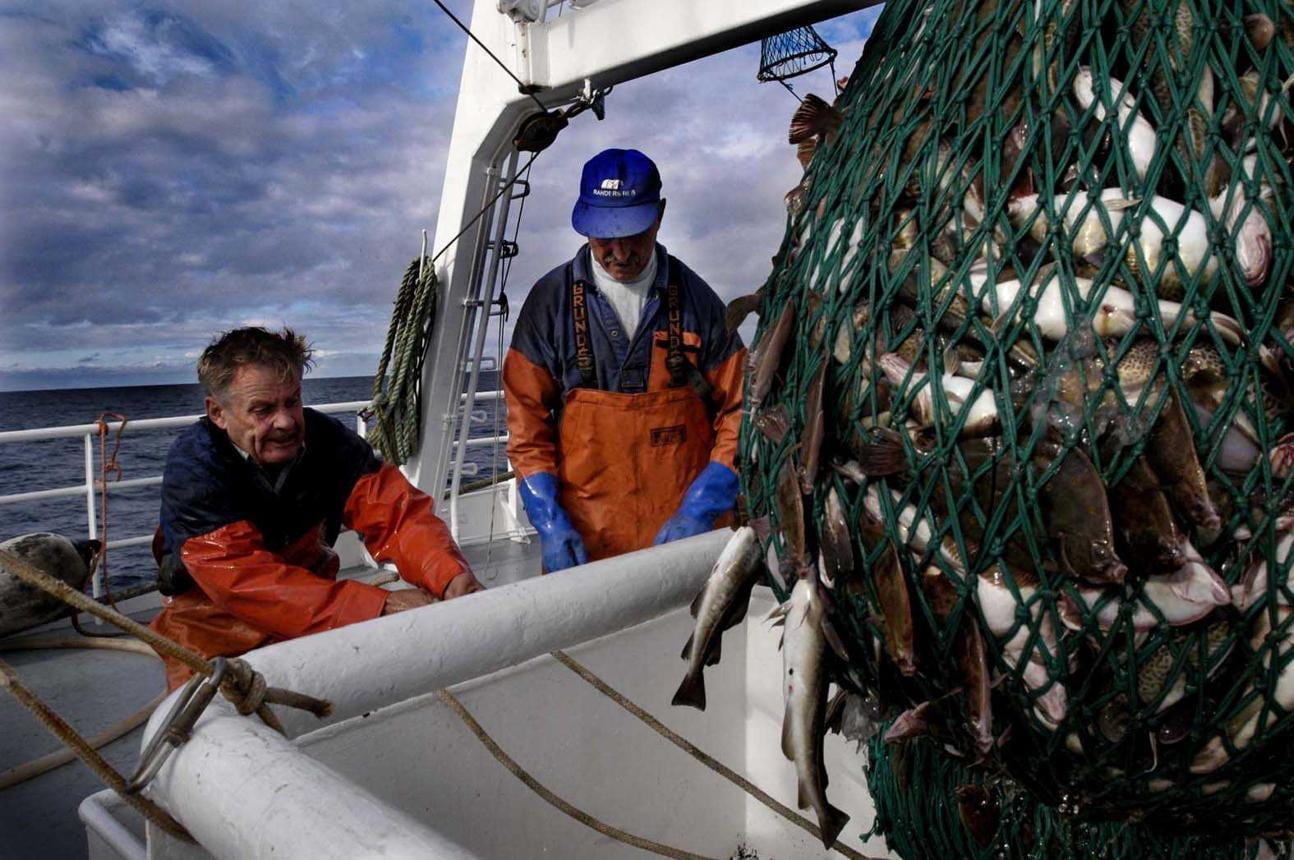
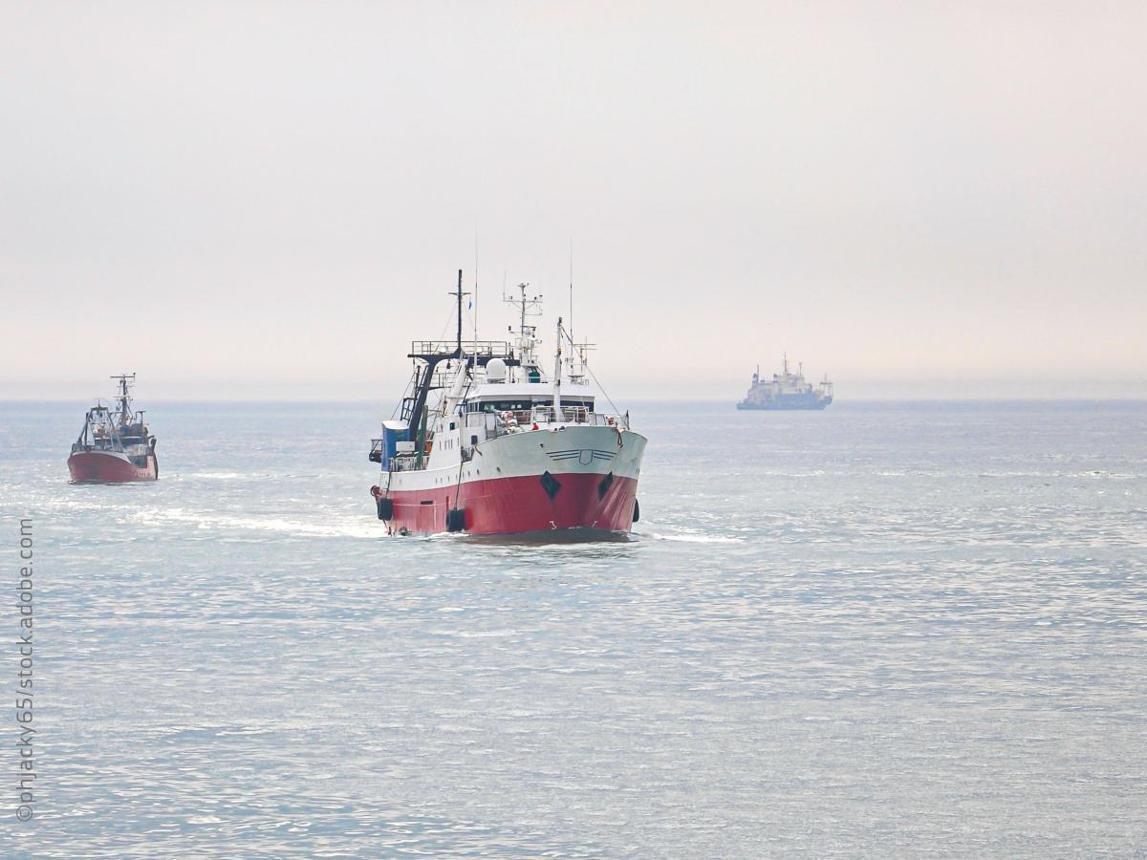
Vigo: The most far-reaching overhaul of how Europe polices its fishing fleets in more than a decade is no longer a future prospect. Most provisions of the revamped EU fisheries control regulation began to apply in January, and the changes reach deeper into the daily life of the industry than the dry language of the rulebook suggests. The headline shift is the gradual extension of vessel tracking and electronic catch recording to boats that, until now, fished largely beyond the gaze of the monitoring systems built for their larger rivals.

For years the bloc’s control architecture was designed around bigger vessels, leaving the vast number of small-scale boats under fifteen metres exempt from continuous tracking. That exemption is ending. Vessel monitoring systems are being phased in across the fleet between 2026 and the end of the decade, pulling thousands of smaller operators into a regime of position reporting and digital catch logs that their larger counterparts have lived with for years. The principle is simple and politically delicate. If everyone is counted, the data on what is being taken from the sea becomes far harder to game, and the science underpinning quotas rests on firmer ground.

The change has not been universally welcomed in the harbours it most affects. Small-scale fishers are often family operations working tight margins, and the prospect of fitting tracking equipment and learning electronic reporting feels, to many, like a compliance burden designed for industrial trawlers being dropped onto wooden boats. Their representatives argue that the smallest vessels pose the smallest risk and deserve proportionate treatment rather than the same machinery imposed on factory ships. Supporters of the reform counter that a blind spot is a blind spot regardless of vessel size, and that gaps in the data are exactly where overfishing hides.

The control regulation is only one front in a year of tightening rules. Since early January, importers bringing fishery products into the EU market have had to file catch certificates through a dedicated digital tool, an attempt to choke off illegally caught fish before it reaches European plates. The most contested element of the overhaul, the requirement for remote electronic monitoring with onboard cameras on larger high-risk vessels, has been deferred until 2028 to give operators and administrations time to prepare. That delay was the price of getting the wider package agreed, a reminder that even sensible enforcement moves at the speed of political tolerance.

Behind the procedural detail sits a familiar tension between enforcement and livelihood. Europe’s fish stocks remain under strain, with several iconic species held to bycatch-only limits while regulators wait for recovery that has been slow to arrive. Better data is the precondition for managing that recovery, and better data is precisely what comprehensive tracking promises to deliver. But the people asked to generate the data are the same people whose incomes depend on the stocks the rules are meant to protect, and they bear the cost of compliance long before they see any benefit in healthier catches.

The coming seasons will test whether the new system delivers cleaner numbers without driving the smallest operators out of business, an outcome that would hollow out coastal communities the policy is also meant to sustain. Much will depend on how flexibly national authorities apply the staggered timelines and whether support is offered to defray the cost of new equipment. For now the direction is unambiguous. The era in which a significant slice of Europe’s fishing fleet operated outside continuous monitoring is closing, and the sea is becoming, for better and worse, a far more measured place.